


Women's Sweaters & Cardigans


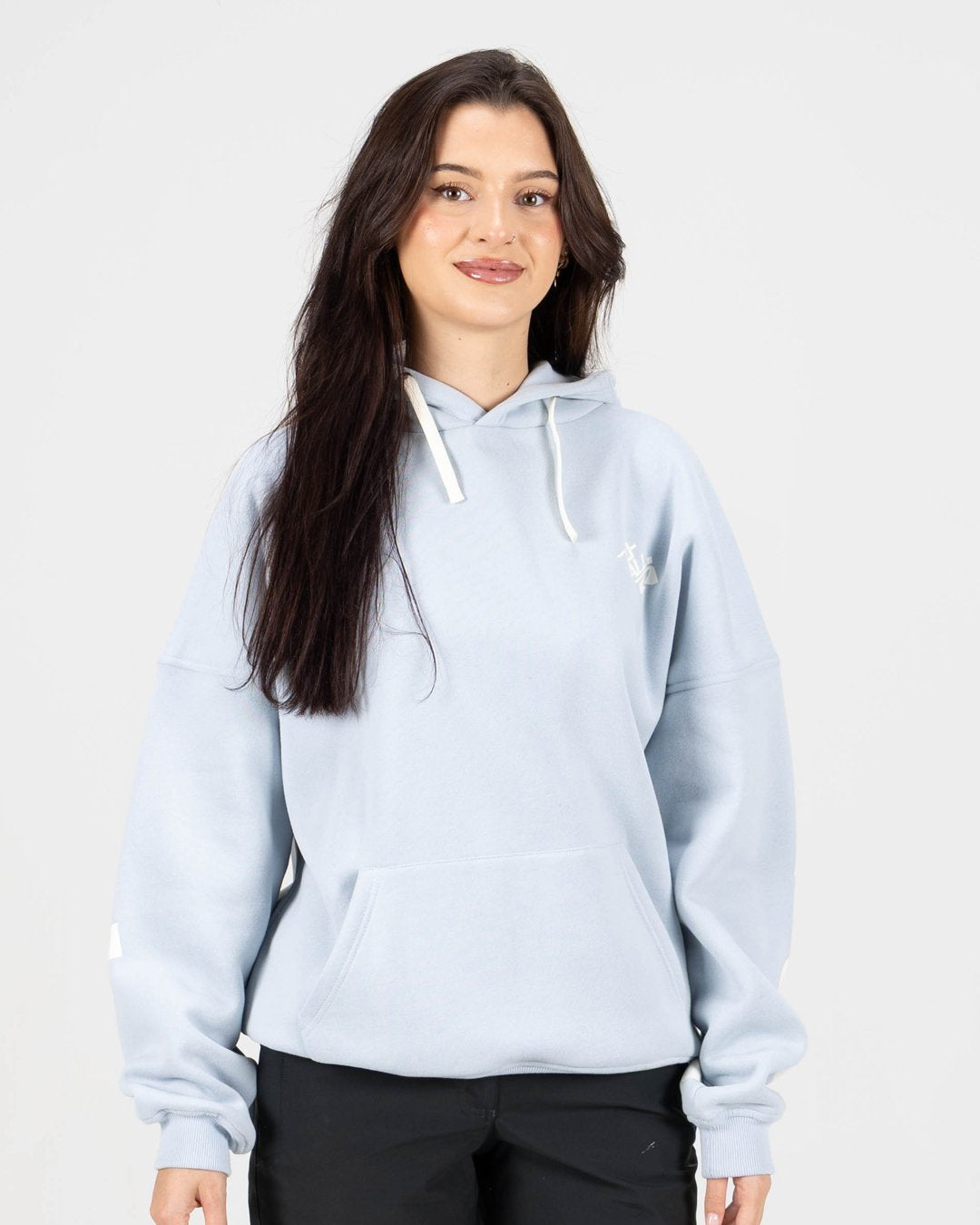




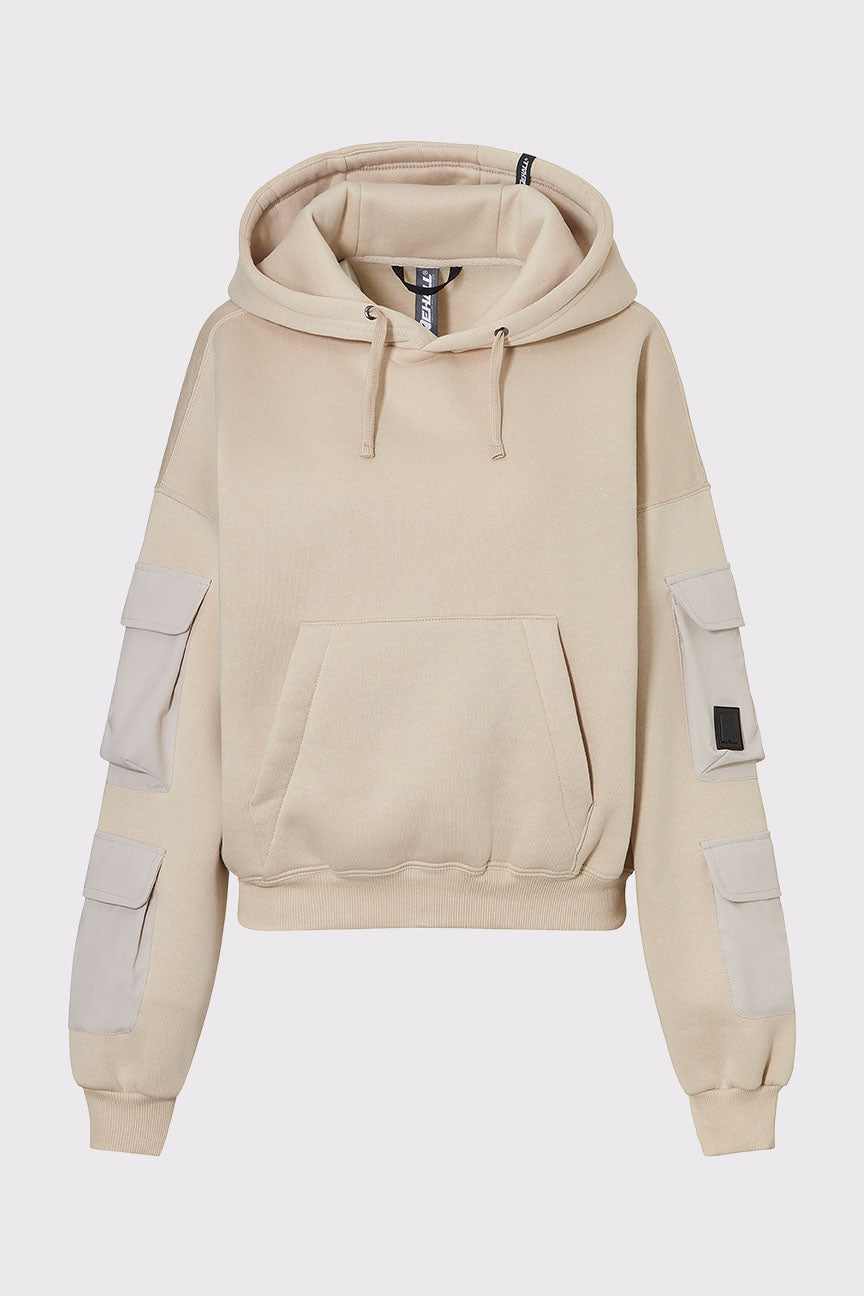

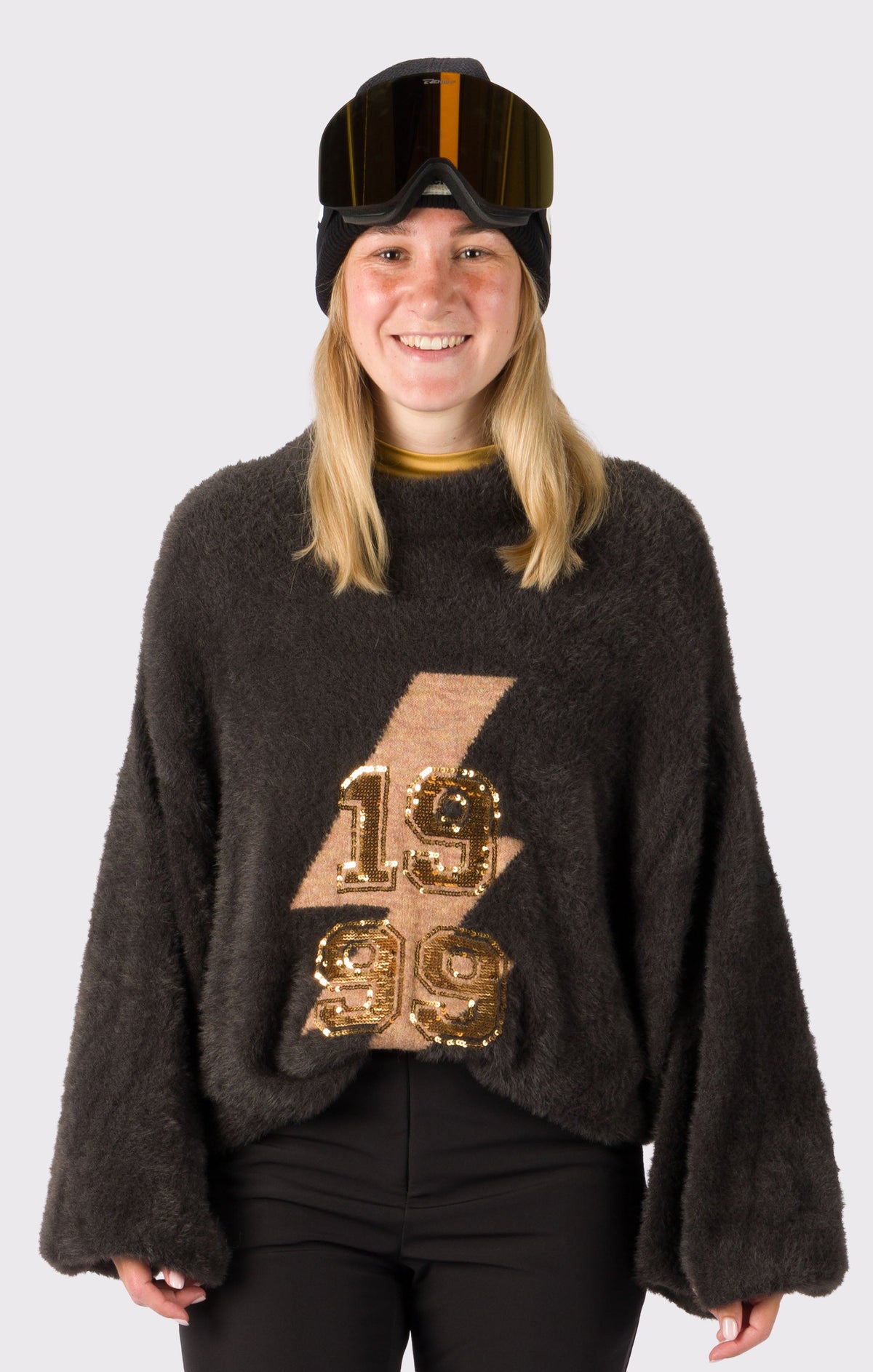


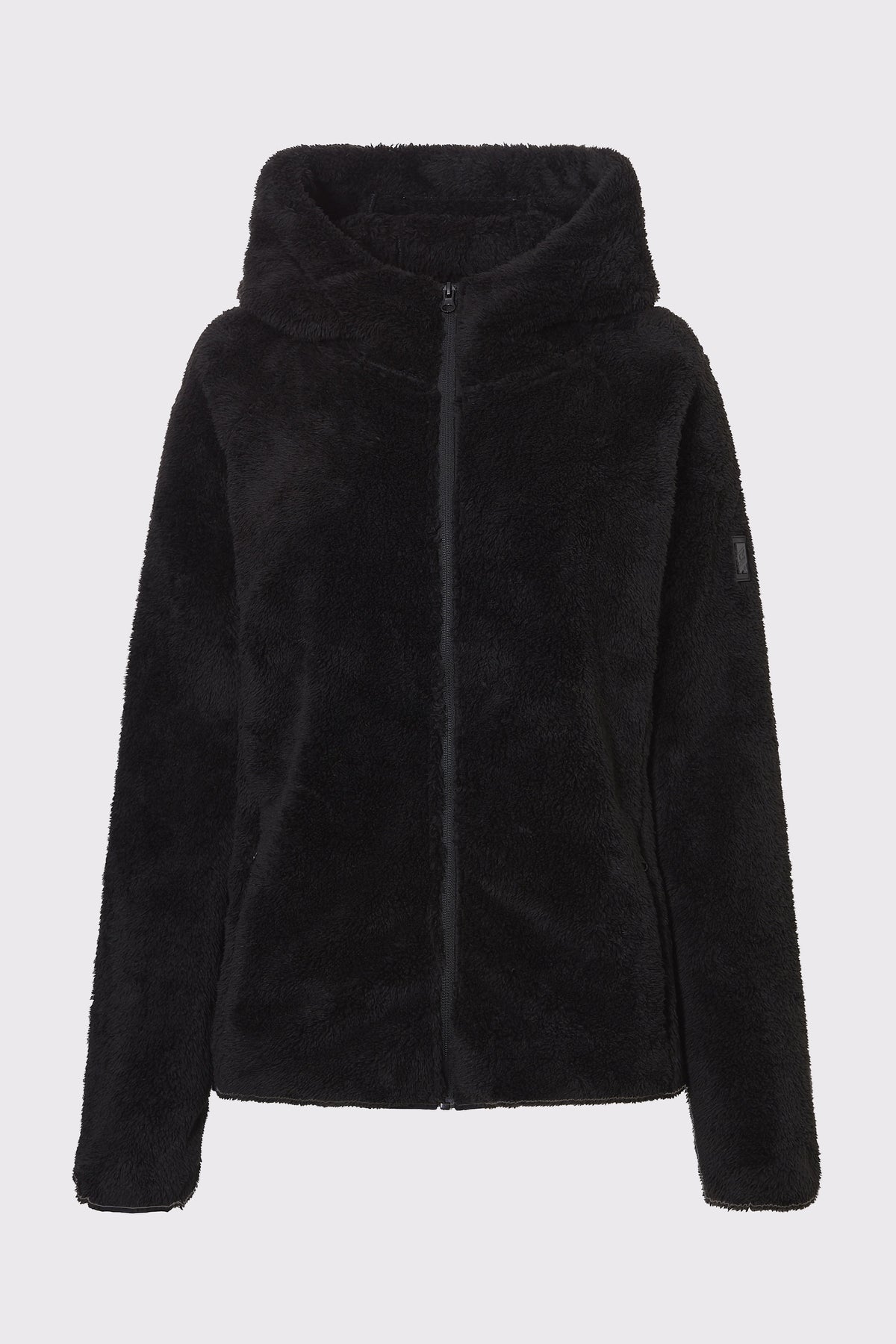
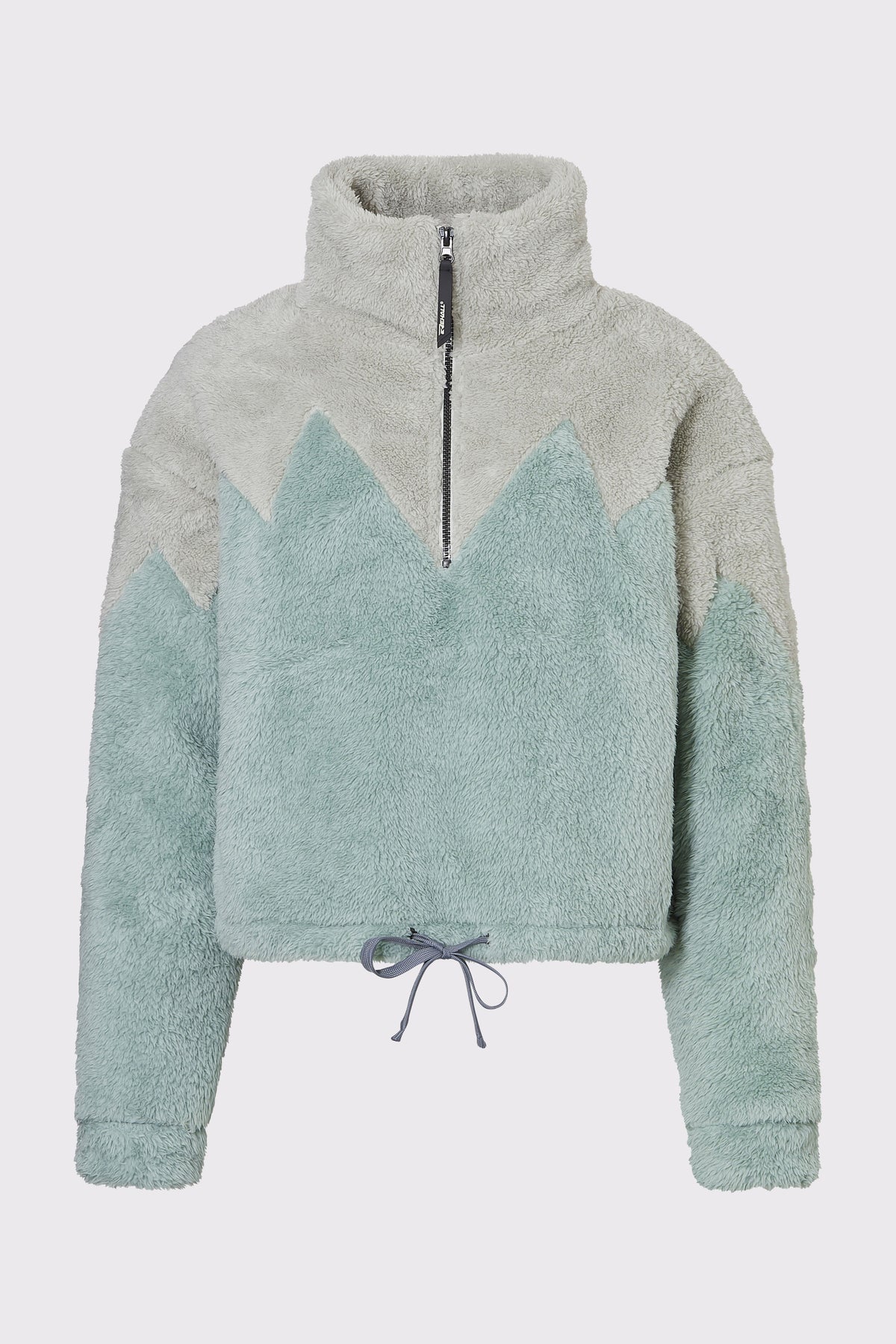


Why do you need a midlayer when skiing?
A midlayer retains body heat while wicking away moisture, keeping you dry and comfortable on the slopes. This is the core of the three-layer system every winter sports enthusiast knows: base layer, midlayer, and outer layer. While your thermal underwear pulls perspiration away from your skin, the midlayer traps that heat without causing you to overheat.
The great advantage of a separate midlayer is flexibility. During a warm après-ski afternoon, you can wear just your ski sweater, while at sub-zero temperatures, you put your ski jacket over it. When skiing intensely, you unzip for ventilation; in the ski lift, you zip everything up. That ability to quickly adjust makes the difference between a pleasant day of skiing and constantly struggling with temperature changes. A good midlayer is therefore the most versatile layer in your winter sports wardrobe.
How do you choose the right ski sweater or vest?
The choice between a ski sweater or vest depends on your activity level, expected temperatures, and personal preference. Below is an overview of the three most common types, so you can quickly determine what suits your skiing style.
Fleece sweaters for versatile use
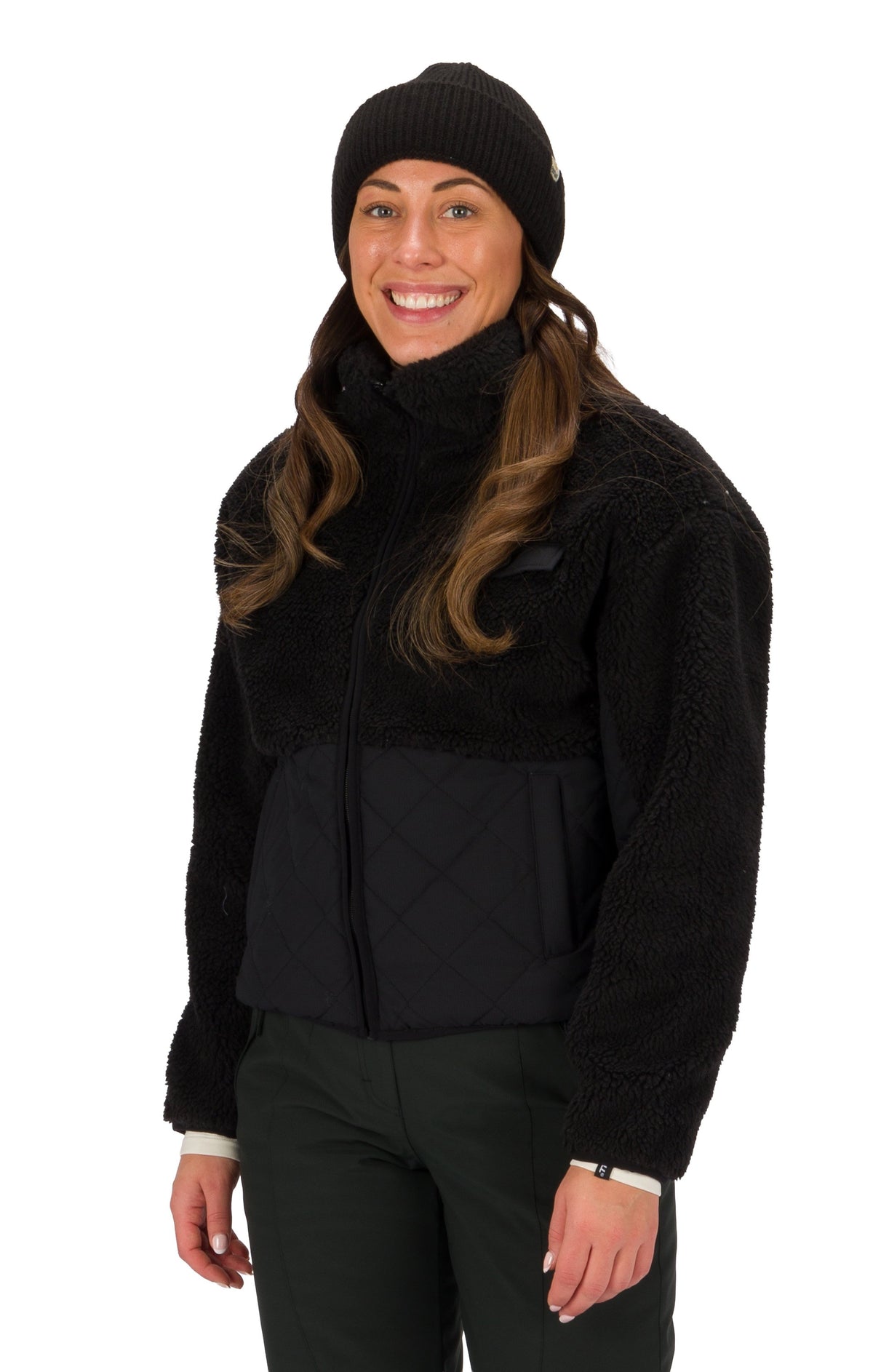
Fleece sweaters are the most popular choice as a midlayer. Polyester fleece is light (often between 200 and 300 grams per item), dries up to 3x faster than cotton, and continues to insulate even in wet conditions. Most fleece sweaters in the Rehall collection have a slim fit that lines up nicely under your ski jacket without adding too much bulk. Choose a fleece sweater with a full zipper if you like to ventilate quickly, or a model with a collar if you want extra protection around your neck.
Body warmers and vests for freedom of movement
A body warmer keeps your core warm while your arms remain completely free. This is ideal for active skiers who get warm quickly or in temperatures around freezing. Vests add less bulk to your sleeves, making your pole movements smoother. Many Rehall vests have a longer back that protects your lower back from cold wind, complemented by stretch panels for a comfortable fit.
Ski pullovers with a half-zip
A ski pullover with a half-zip is often a bit tighter than a full-zip version and slides smoothly under your ski jacket. The zipper down to the middle of your chest provides sufficient ventilation for most conditions. Many models have a stand-up collar that offers extra wind and cold protection around your neck, exactly where you need it most. This style is a classic that you can wear just as easily on the slopes as in the valley.
Which materials are used for ski sweaters and vests?
The materials in your midlayer determine how warm, breathable, and durable the garment is. Modern ski sweaters and vests often combine multiple fabrics to deliver optimal performance. Where possible, Rehall focuses on recycled materials, such as 100% recycled polyester, without compromising on functionality.
Polyester fleece: light and quick-drying
Polyester fleece is the most commonly used material for ski midlayers. It insulates well at a low weight, dries quickly after perspiration, and retains its insulating effect even when damp. Unlike cotton, polyester absorbs less than 1% of its weight in moisture, so you don't end up with a wet, cold layer against your skin. Fleece is also easy to wash and quite durable.
Merino wool: natural temperature regulation
Merino wool naturally regulates your body temperature: it warms in the cold and cools in the heat. The material is naturally odor-resistant, meaning you can wear it for several days without it starting to smell. Merino fibers are thinner than regular wool (on average 18.5 microns) and therefore feel soft and non-itchy on the skin. Merino blends with polyester combine the best of both materials.
Stretch materials for an optimal fit
Elastane or spandex (usually 3 to 8% of the material composition) is added to fleece or woven fabrics to increase stretch. This ensures your midlayer moves with you in every turn and does not ride up while skiing. Stretch panels are often strategically placed in areas where you need the most freedom of movement, such as under the arms and along the sides.
Important features of a good midlayer
Breathability of at least 5,000 g/m²/24h is the absolute minimum for a ski midlayer. Without sufficient breathability, your sweat condenses on the inside, causing you to cool down anyway. Furthermore, there are a number of functional details that make the difference:
- Thumb loops: keep your sleeves in place and prevent cold air from blowing between your gloves and sleeves.
- Extended back panel: protects your lower back against cold and wind, even in a leaning-forward position.
- Flat seams: prevent chafing under your ski jacket, especially during longer ski days.
- Chest pocket with zipper: handy for your ski pass or phone, quickly accessible without opening your jacket.
- Anti-pilling finish: prevents fluff balls from forming on the fleece after repeated washing.
Combine your midlayer with the right women's ski accessories such as gloves and a neck warmer for a complete layering system.
Fit and sizing for women's ski sweaters
A well-fitting midlayer is tight enough to fit under your ski jacket without adding bulk, but offers enough room for your base layer underneath. Rehall sweaters and vests generally have a sporty, modern fit. The slim-fit models fit closely to the body, while regular-fit versions offer a bit more room around the waist and hips.
Always check the size guide on the product page before ordering. Sizes can vary slightly per model, and the difference between an S and an M can determine how comfortably your midlayer sits under your jacket. Measure your chest, waist, and hips and compare them with the size chart. Are you in doubt between two sizes? For a slim-fit model, you can consider choosing a larger size if you prefer a roomier fit.
Are you also looking for a midlayer for your travel companion? Then check out the collection of men's ski pullovers for similar styles and materials.
How do you maintain ski sweaters and vests?
Wash your fleece sweaters and vests inside out at a maximum of 30 °C with a mild detergent. Do not use fabric softener, as this clogs the pores of the material and reduces breathability. Preferably air-dry your midlayer and avoid the tumble dryer unless the care label explicitly allows it. Fleece dries quickly enough on a clothes hanger.
After several washes, the water-repellent finish of your midlayer may diminish. Restore it with the Rehall Go Dry Water Repellent Spray, which applies a new water-repellent layer without affecting breathability. Store your sweaters and vests clean and dry at the end of the season, preferably hanging to keep the fibers in shape.
Anyone looking for women's DXR ski clothing will find midlayers with extra technical specifications in that collection for the most demanding conditions. And for a complete winter sports outfit, it is smart to also check out the ski suit collection.
Frequently asked questions
What is the difference between a ski sweater and a ski pullover?
A ski sweater is the umbrella term for sweaters that you wear as a midlayer while skiing, including fleece sweaters and pullovers. A ski pullover usually refers specifically to a sweater with a half-zip and a stand-up collar. In practice, the terms are used interchangeably, but a ski pullover almost always has a zipper halfway down the chest.
Can I also wear a fleece sweater without a ski jacket?
Yes, fleece sweaters are versatile enough to wear as an outer layer in mild temperatures, for example, during après-ski, an autumn hike, or on a terrace in the valley. Keep in mind that fleece is not waterproof. In case of rain or wet snow, you always need a water-resistant outer layer.
How warm should my midlayer be?
That depends on the outside temperature and your own body heat management. At temperatures around freezing, a light fleece sweater (approx. 100 to 200 g/m²) is sufficient. In serious cold below -10 °C, choose a thicker fleece or combine a thin fleece with a body warmer. Skiers who get warm quickly often choose a vest that only insulates the core.
Does a Rehall midlayer fit under every ski jacket?
Rehall midlayers are designed with a sporty fit that matches Rehall ski jackets. As a rule, they fit well under any ski jacket, provided you choose the right size. Check the size guide and, if in doubt, choose the size that fits your chest circumference so that there is enough room left under your jacket.
How often should I wash my ski sweater?
Wash your ski sweater after every 3 to 5 ski days, or sooner if you have sweated a lot. Fleece and polyester materials are naturally less prone to odor than cotton, but moisture and bacteria accumulate over time. Regularly washing at 30 °C without fabric softener keeps the material fresh and the breathability optimal.
What is the advantage of recycled polyester in ski sweaters?
Recycled polyester performs identically to new polyester in terms of warmth, breathability, and durability, but has a significantly lower environmental impact. Its production consumes up to 59% less energy and reduces CO₂ emissions compared to virgin polyester. Rehall uses recycled polyester in multiple collections as part of a more conscious production strategy.