


Men's Sweaters & Cardigans
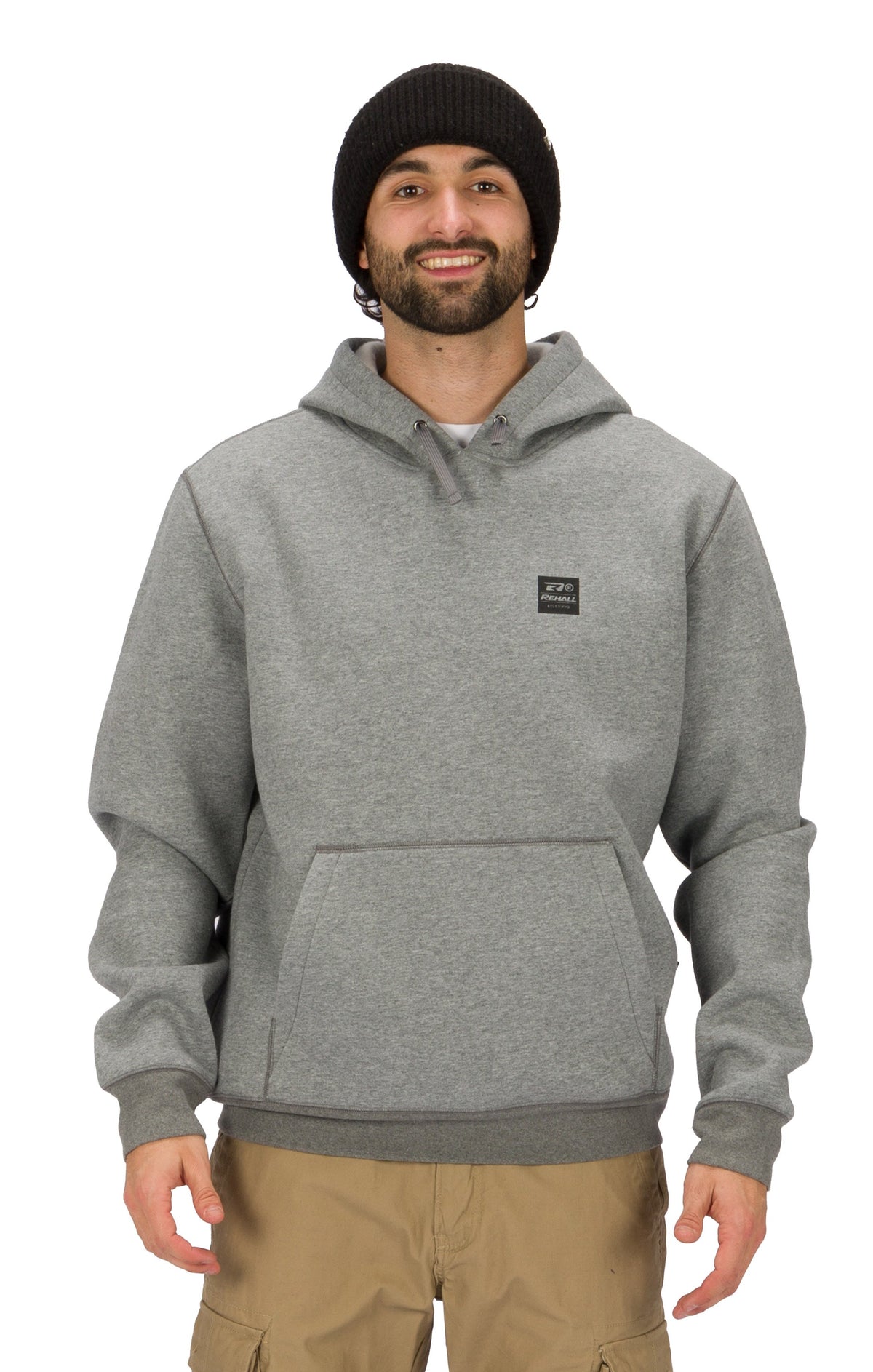


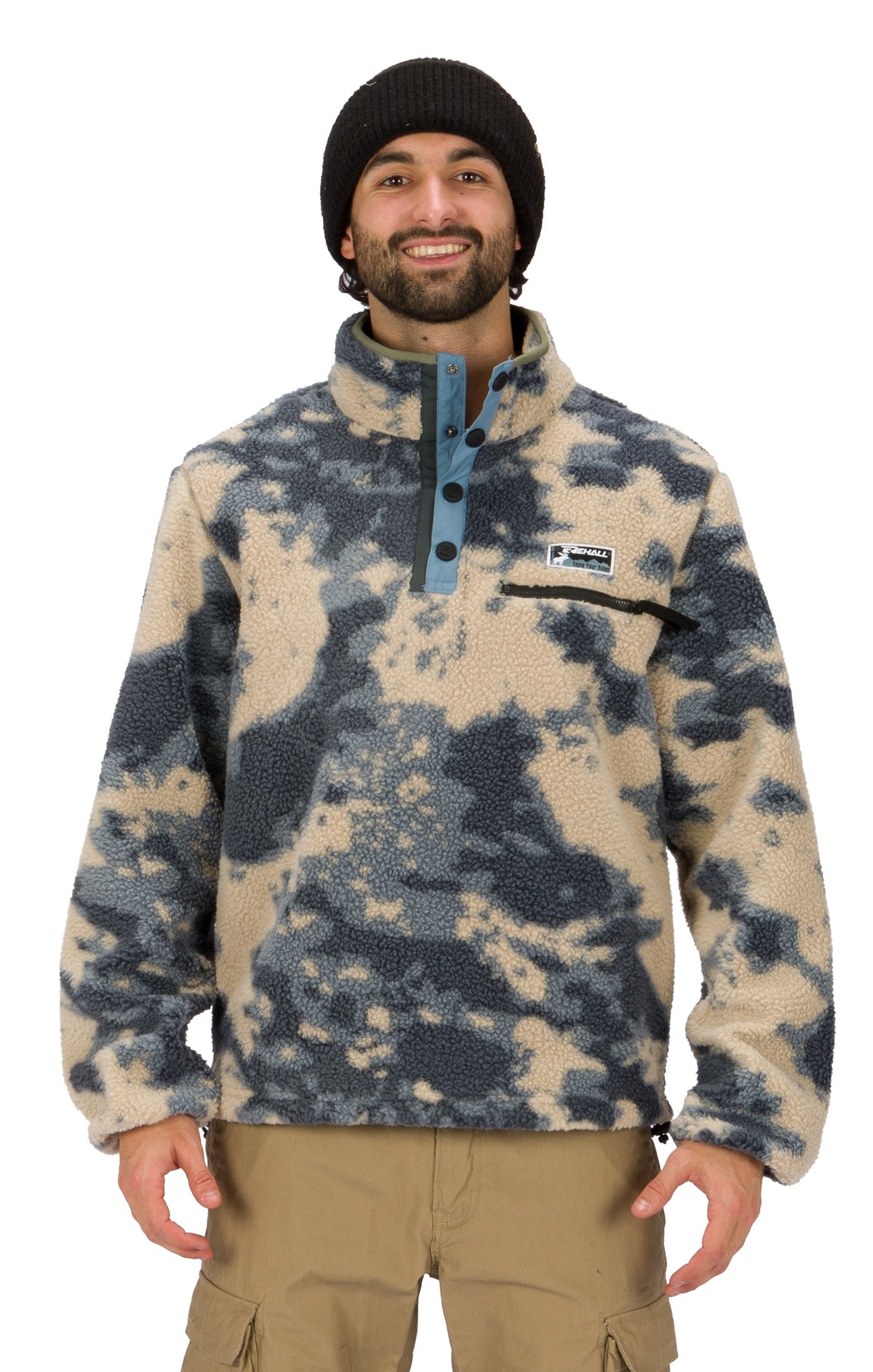


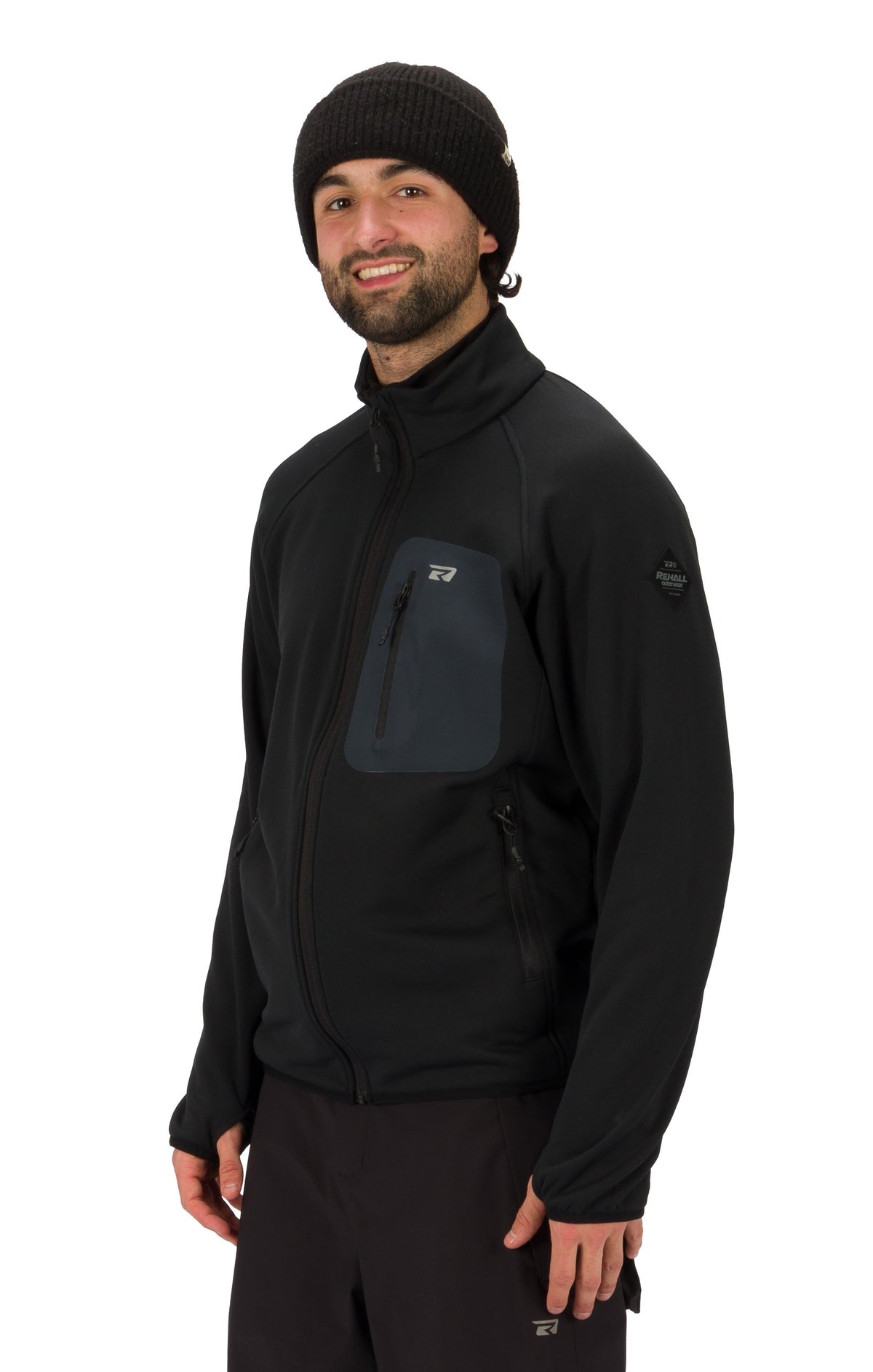


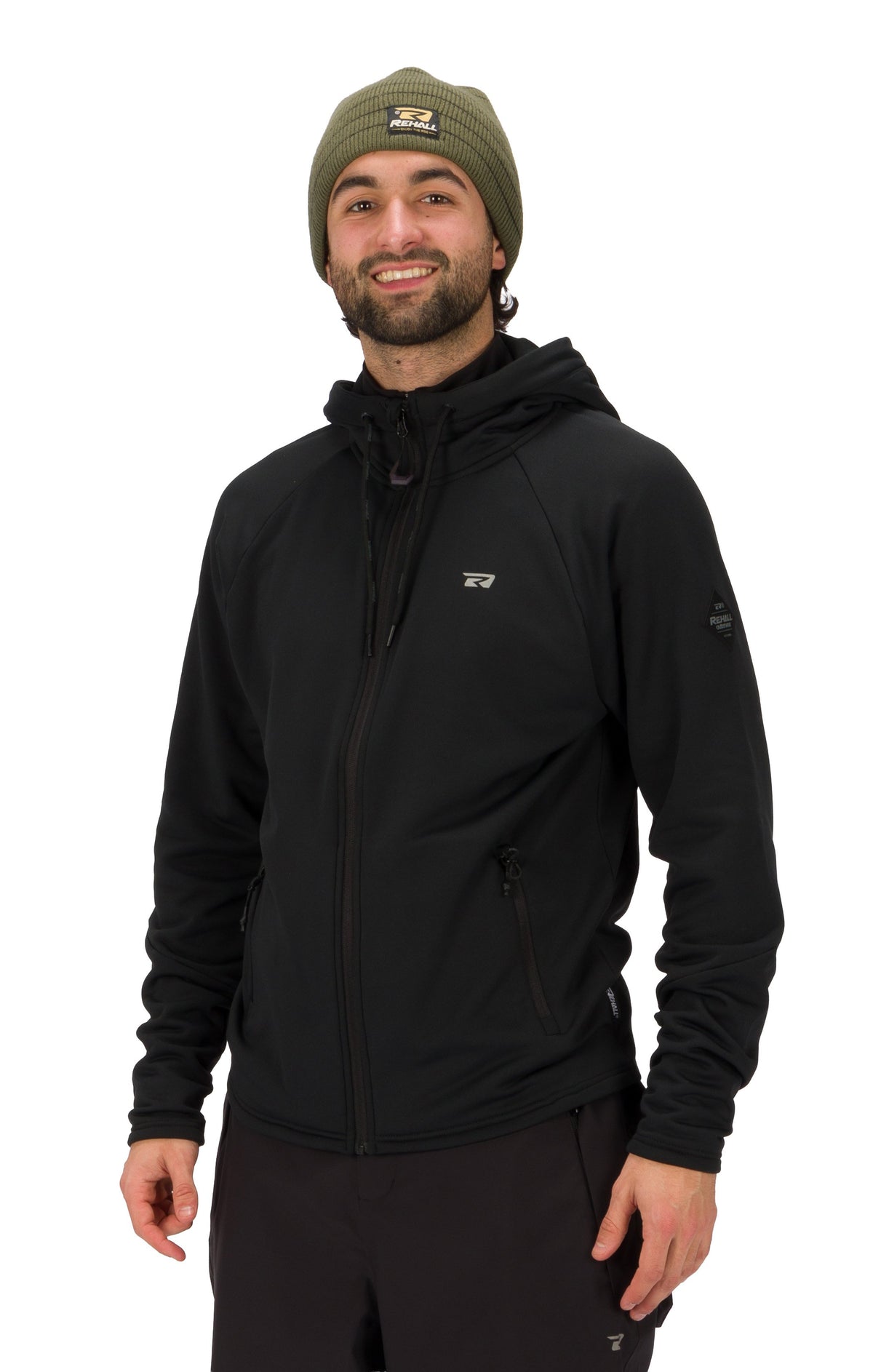


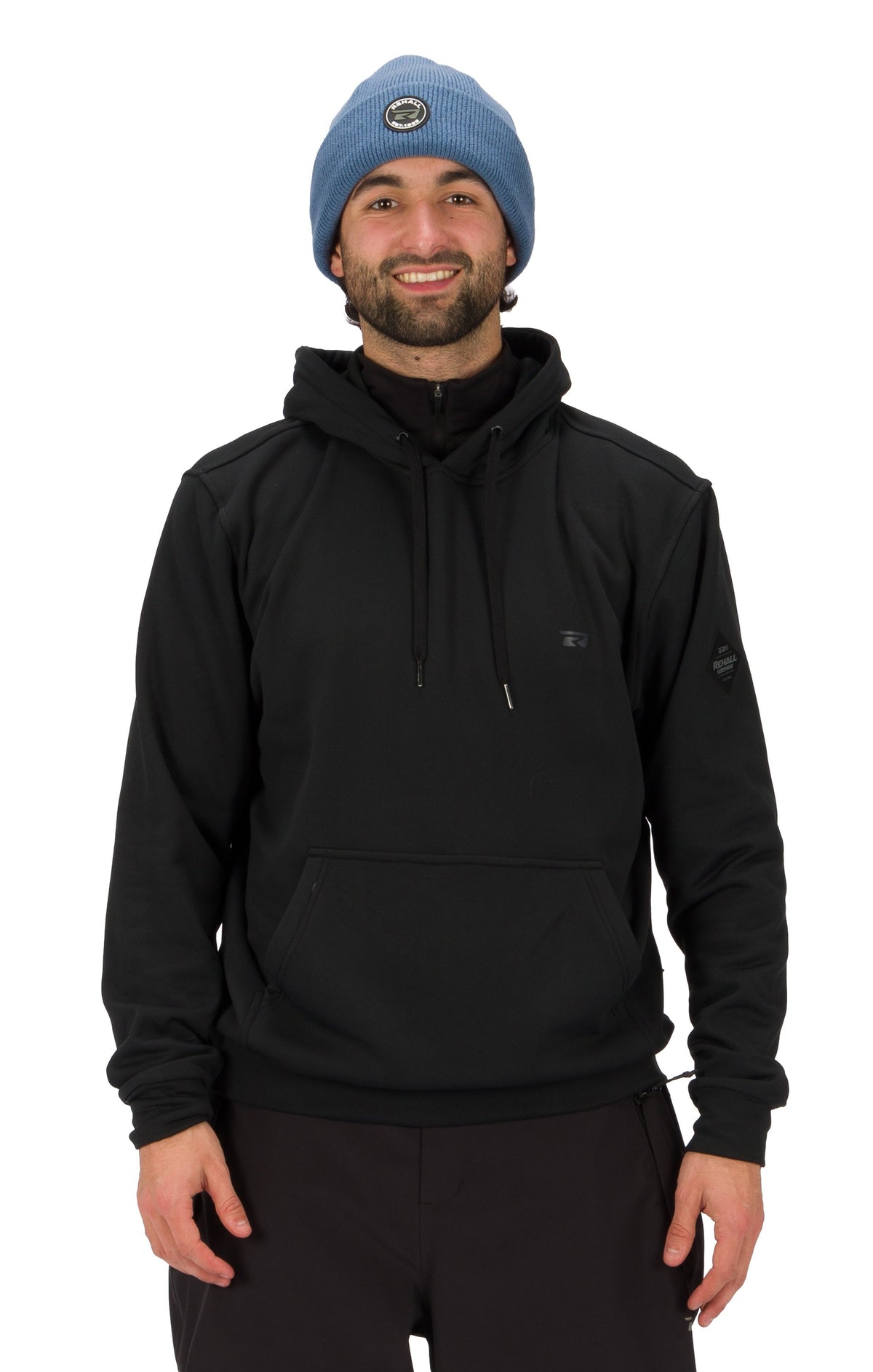


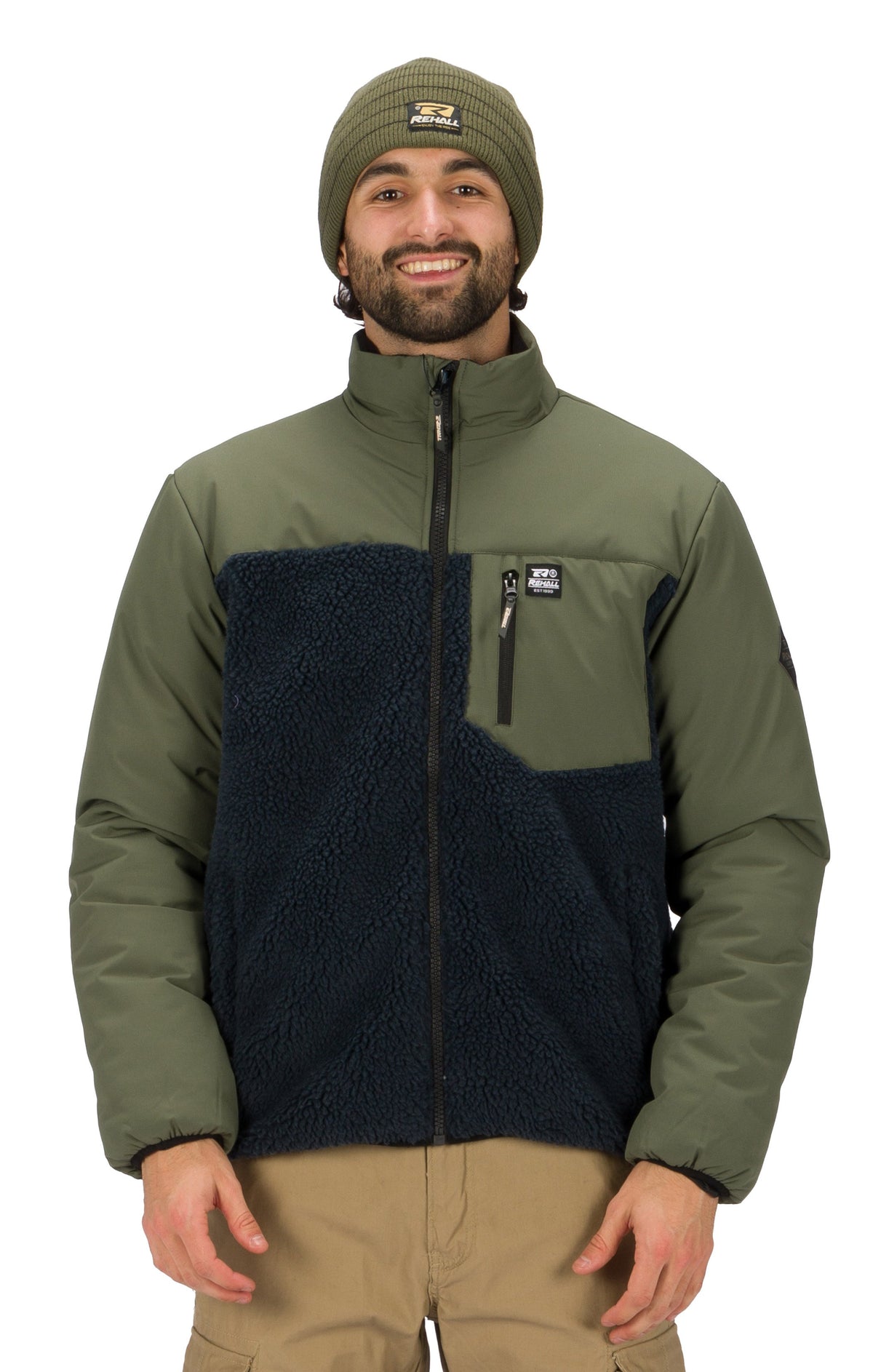


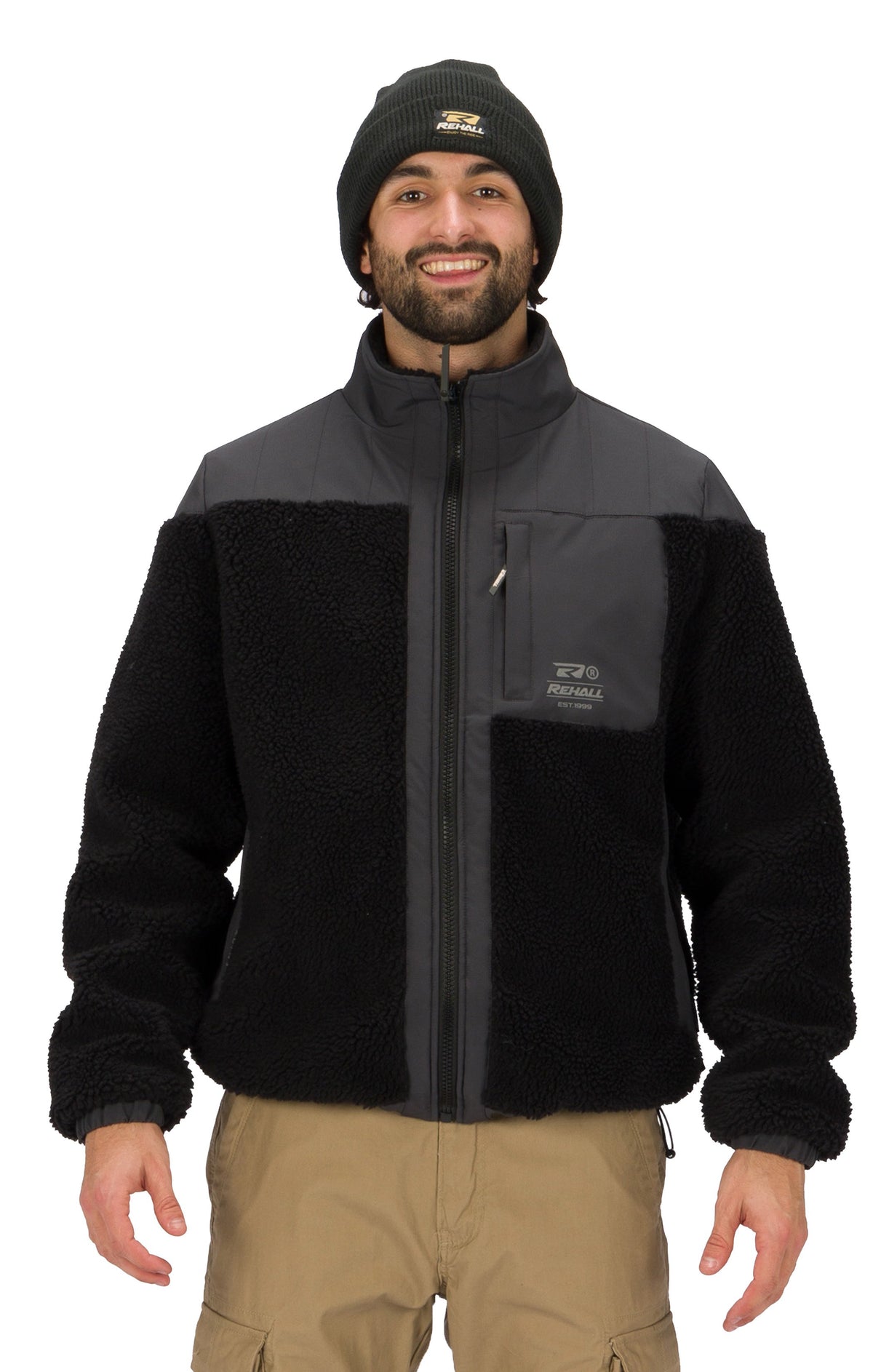


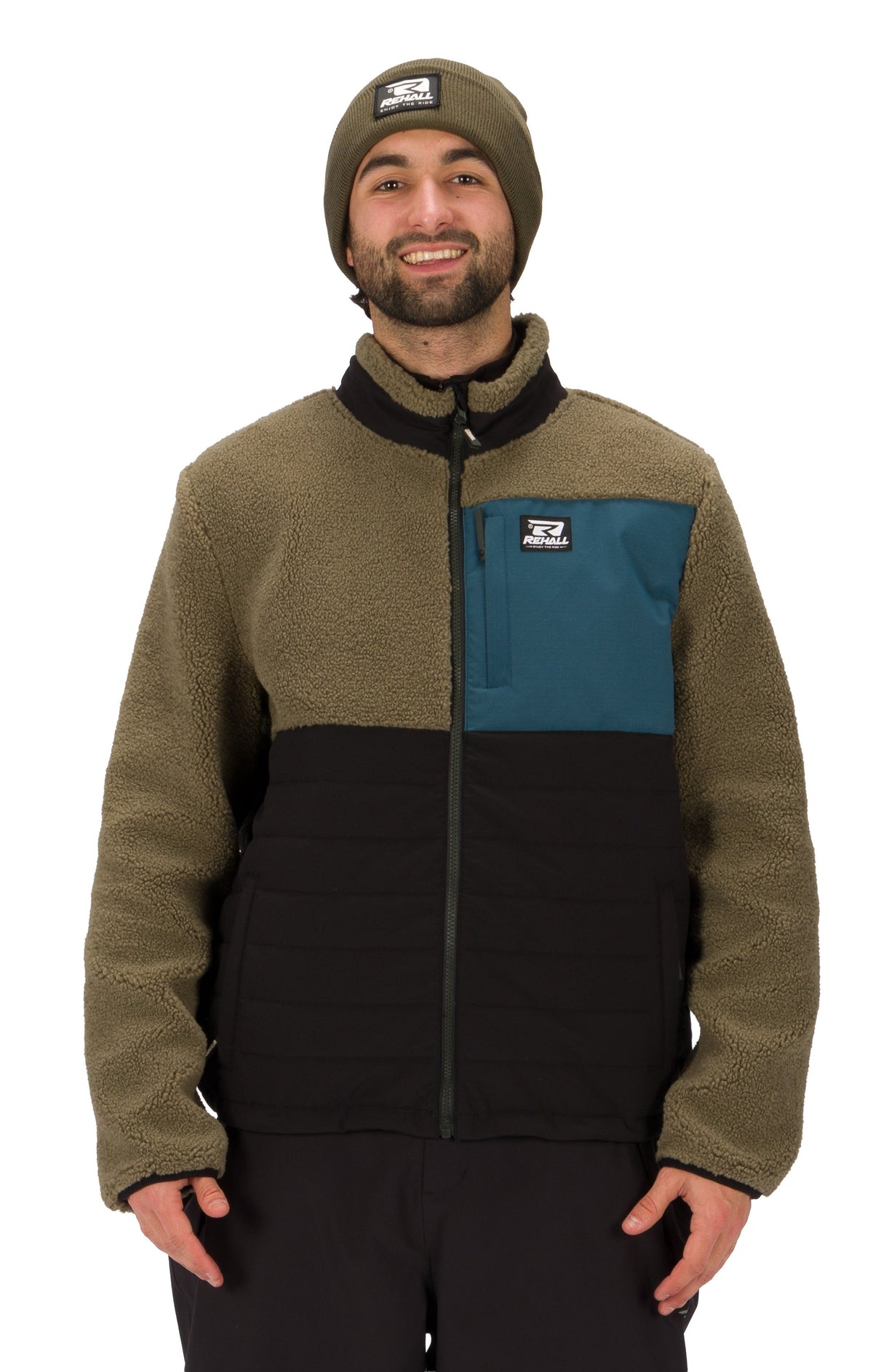


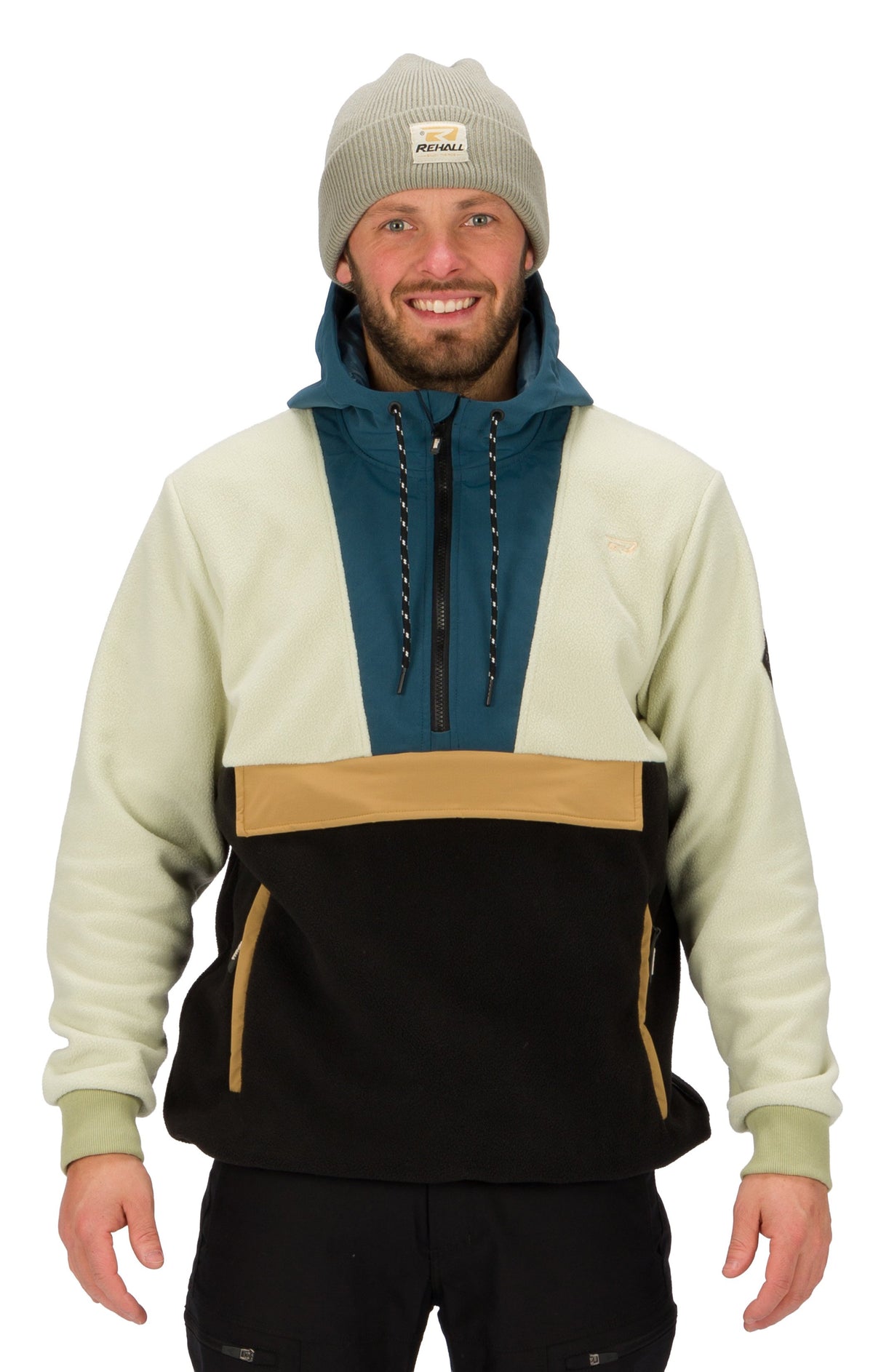


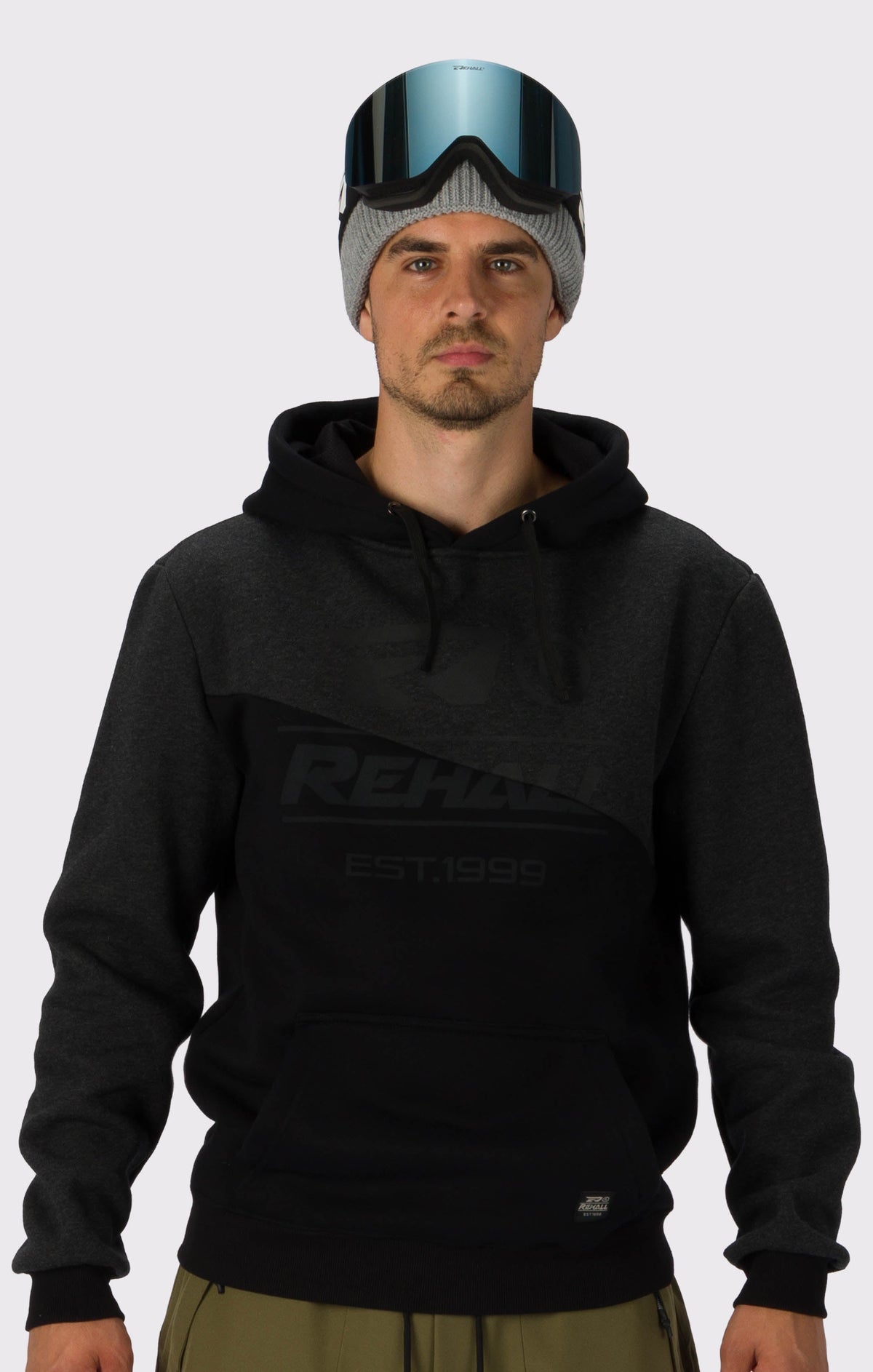

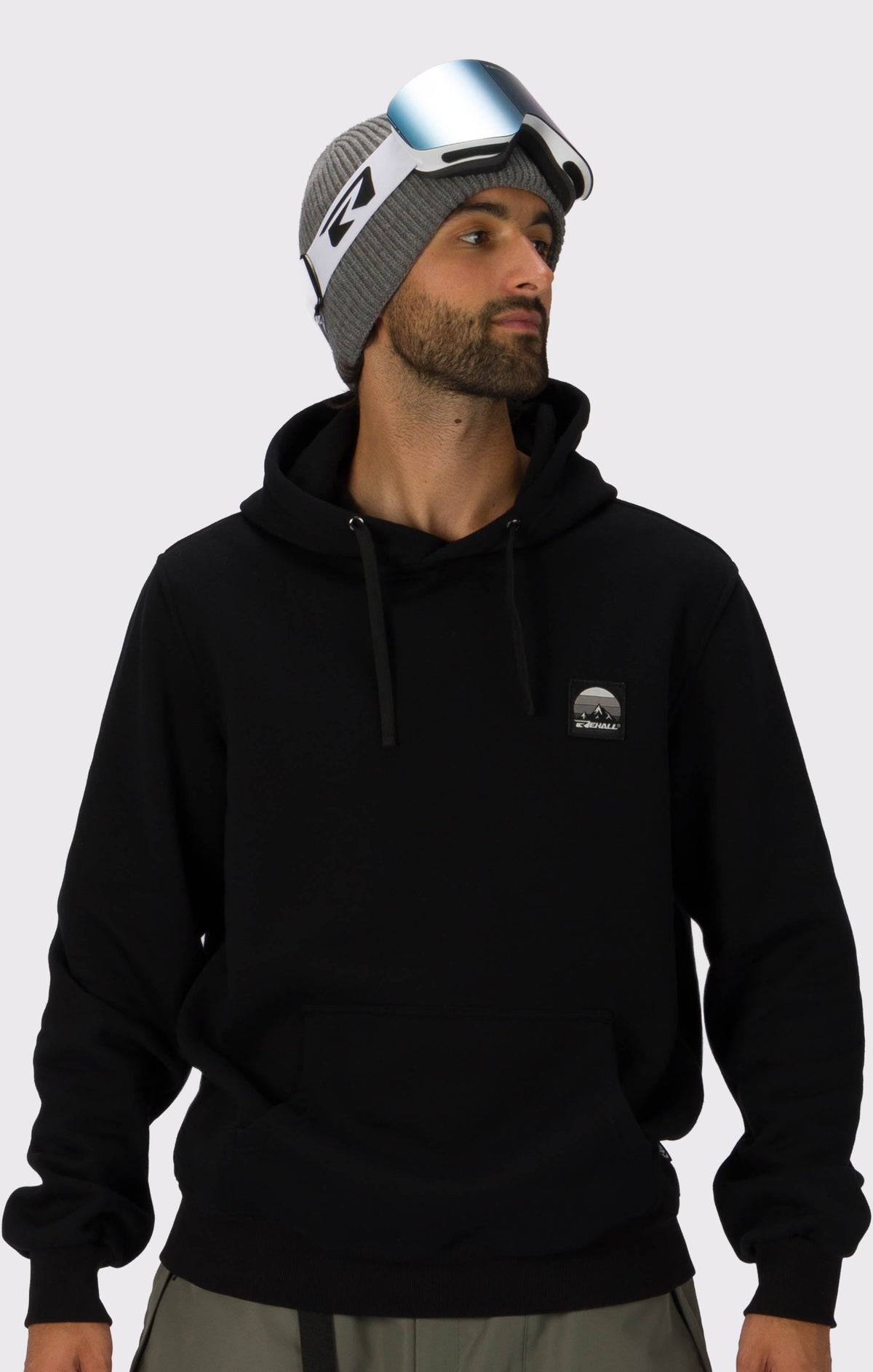

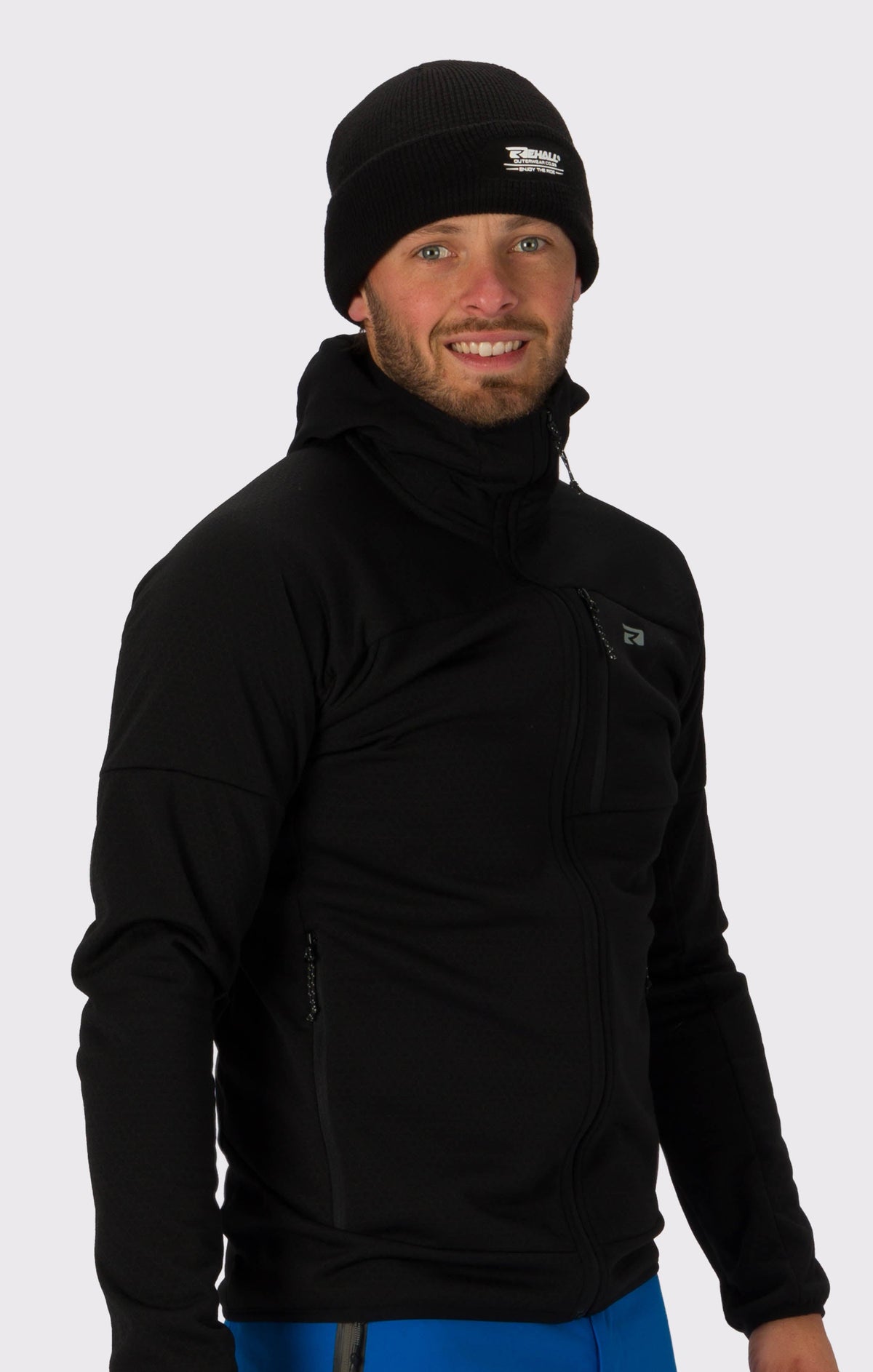


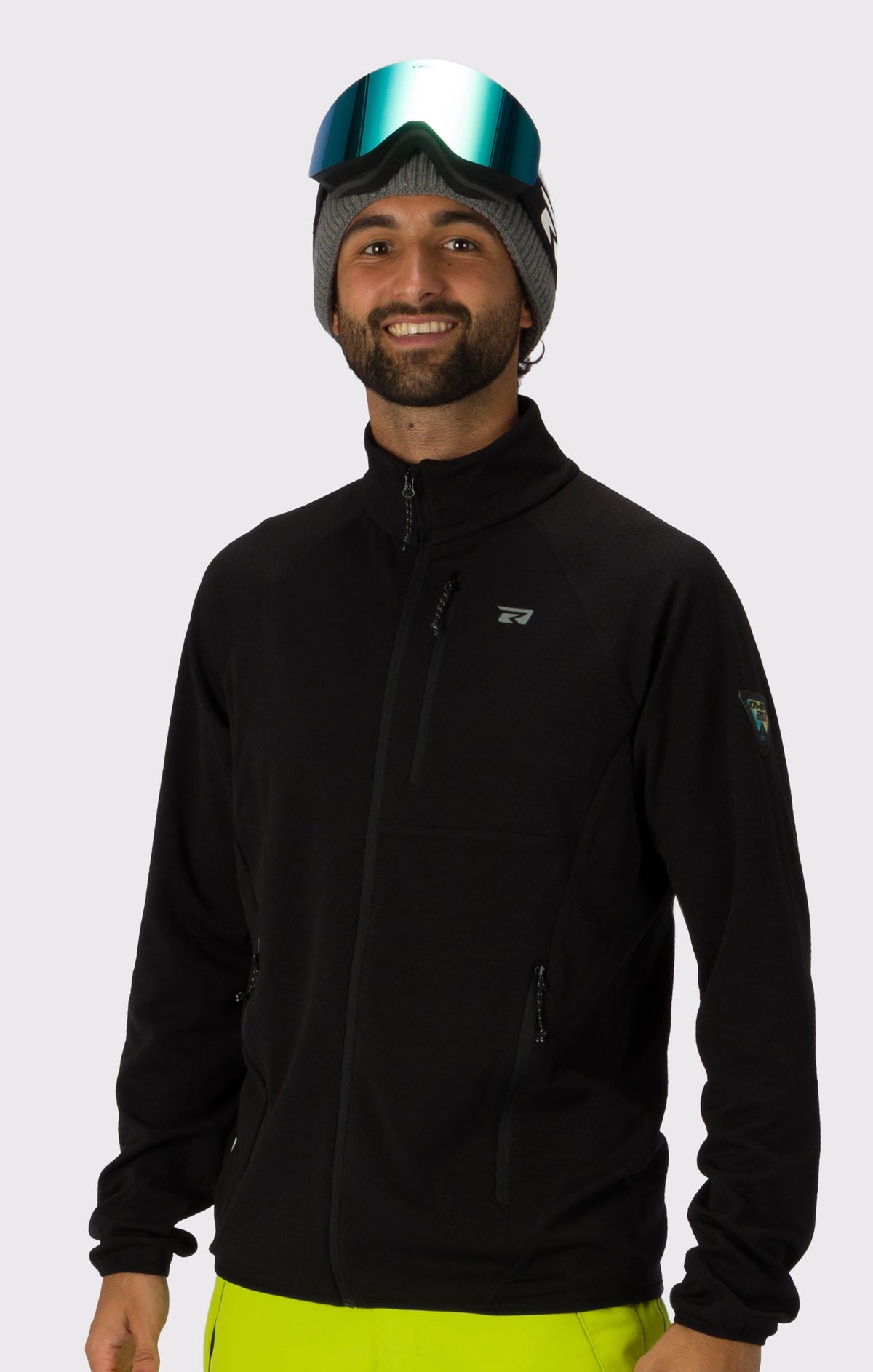


Why wear a sweater or cardigan for winter sports?
A sweater or cardigan is the insulating mid-layer that retains your body heat under your ski jacket. Ski clothing works best according to the layering principle, with three layers that each have their own task:
- Base layer: sits directly on your skin and wicks away moisture. For this layer, you can wear, for example, one of our men’s ski pullovers or one of the men’s ski shirts.
- Mid-layer: your sweater or cardigan, which retains warmth.
- Outer layer: your ski jacket, which blocks wind and snow.
The advantage of layers is that you can adapt your clothing to the day. If you get warm during a descent, you take a layer off. If you are sitting still in the lift, you add one. A sweater is not an outer layer: you should always wear a jacket over it to protect against snow and wet weather.
What is the difference between a sweater and a cardigan?
You pull a sweater over your head and it closes around your torso; you open a cardigan with a zipper or buttons. A sweater is also called a pullover. Because of that difference, each type behaves differently under a ski jacket.
Choose a sweater if you:
- want a closed layer without a front fastening;
- are looking for a streamlined silhouette under your jacket;
- primarily want to retain warmth around your torso.
Choose a cardigan if you:
- want to regulate warmth quickly by opening or closing it;
- want to put the layer on and take it off easily during a break;
- are looking for a layer that you can also wear separately, for example, during après-ski.
If you expect changeable weather, a knitted cardigan gives you more flexibility than a sweater. On the product pages, you can see the exact style, colors, and details for each model.
Which neckline and material suit you best?
Choose the neckline based on the collar of your ski jacket and the amount of ventilation you want.
Round neck, V-neck, mock neck, and quarter-zip
Each neckline has its own advantage under a ski jacket:
- Round neck: lies flat under the jacket collar and does not bunch up.
- V-neck: leaves room for a shirt or base layer with a raised collar underneath.
- Mock neck: closes around your neck and keeps out drafts.
- Quarter-zip: with a short zipper, you can regulate how much heat you want to release yourself.
Knitted fabric and material choice
Knitted sweaters retain warmth well because the structure of the knit traps air. Knitwear comes in coarse and fine knits: a fine-knit sweater is thinner and fits more easily under a slim-fit jacket. You will encounter natural fibers, such as wool, and synthetic fibers, such as polyester. Natural fibers often feel like a soft fabric, while synthetic fibers generally dry faster. You can find the material composition and structural details for each product on the product page.
Which size and fit should you choose?
Always check the size guide before choosing a size, as the fit varies by model. A regular fit is neither tight nor loose and is therefore a safe choice as a mid-layer. When trying it on, pay attention to these points:
- If you wear a base layer underneath, you must be able to move your arms and shoulders freely.
- A sweater that is too tight limits your freedom of movement, especially when you lift your arms while skiing or snowboarding.
- A sweater that is too loose folds up under your jacket and feels uncomfortable on the slopes.
You can see which sizes are available per product. If you are doubting between two sizes, compare your own measurements with the size guide.
How do you combine a sweater or cardigan with a ski jacket?
Choose a ski jacket that is spacious enough to wear your mid-layer without pressure. This applies to both a sweater and a cardigan. A few tips:
- Color and style: dark men’s sweaters are easy to combine. A striking color provides contrast under a black or dark blue jacket.
- Ventilation: some Rehall ski jackets, such as the ANTHON-R26, have ventilation zippers and an adjustable hem. This allows you to let heat escape without taking off your mid-layer.
- Complete your outfit: if you are looking for a jacket that matches your mid-layer, view our men’s ski jackets. If you also want ski pants or other items, you will find the complete range in our collection of men’s ski clothing.
Why choose Rehall for men’s sweaters and cardigans?
Rehall is a ski clothing brand from Roermond for winter sports enthusiasts throughout Europe. We look at function first and style second. You can see this in how we describe our products: concrete materials, specifications, and details, without exaggeration.
- Focused on winter sports: our clothing is made for a day on the slopes.
- Sustainability: Rehall jackets and pants, such as the ANTHON-R26 and the BOSCH-R26, are made from 100% recycled polyester.
- Clear on details: on every product page, you will find sizes, colors, and materials.
Choose your model, check the size guide, and shop your new mid-layer now.
Frequently asked questions about men’s sweaters and cardigans
Which sweater should you wear under a ski jacket?
Wear a sweater with a round neck or mock neck that is not too loose, so it does not bunch up under your ski jacket. It works as a mid-layer over your base layer. Choose the thickness based on the weather and your own feeling of warmth, and check the size guide for the right size.
What is the difference between a sweater and a cardigan?
You pull a sweater over your head and it closes around you; you open a cardigan with a zipper or buttons. Therefore, you can adjust a cardigan more quickly if you get warm, whereas a sweater is a closed layer. Both work as a mid-layer under your ski jacket.
What size should you choose for a men’s sweater or cardigan?
Check the size guide, as the fit varies by model. A regular fit is neither tight nor loose and is therefore a safe choice as a mid-layer. If you wear a base layer underneath, choose a size in which you can move freely.
Can you also wear a sweater or cardigan off the slopes?
Yes, you can also wear a sweater or cardigan off the slopes, for example, in the village after skiing or on a cold day in the city. A sweater does not protect against rain or snow; for that, you wear a jacket. Material and details can be found on the product page.
Which neckline is best for winter sports?
Choose a round neck if your jacket has a high collar, a mock neck for extra protection against drafts, or a quarter-zip if you want to ventilate yourself. A V-neck works well with a shirt or base layer underneath. Your choice depends on your jacket and the temperature.