


Ski Pants


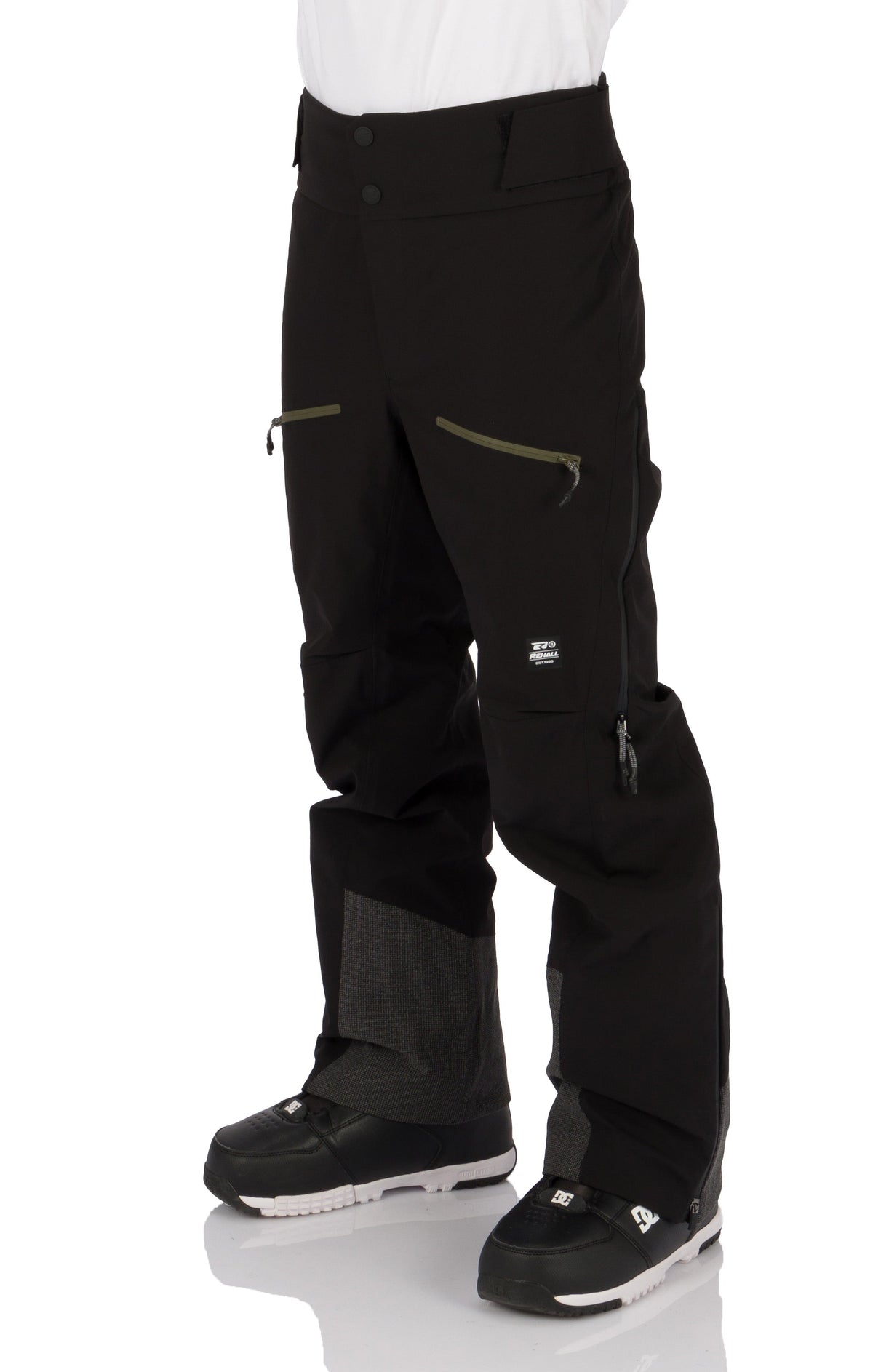


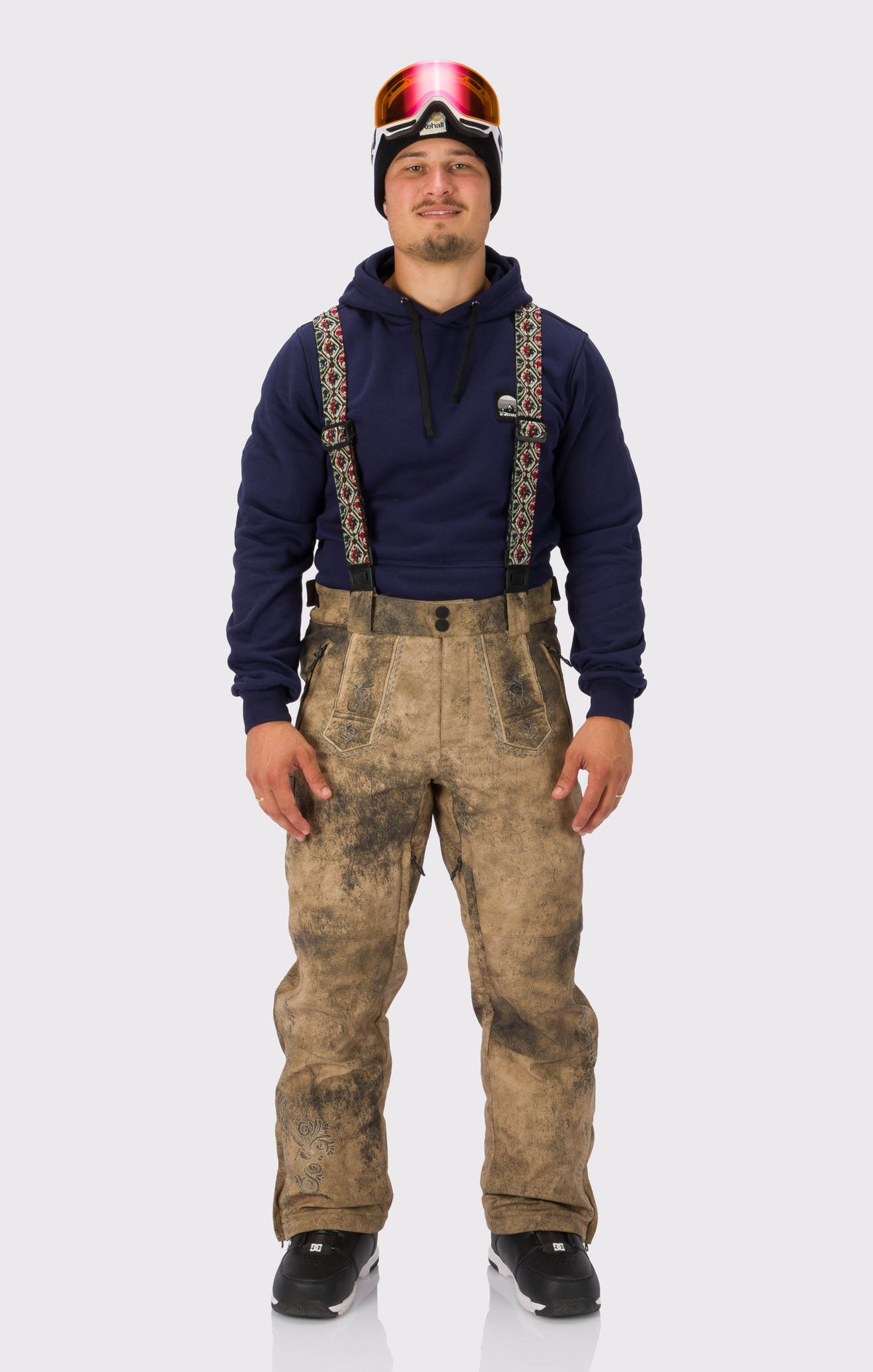


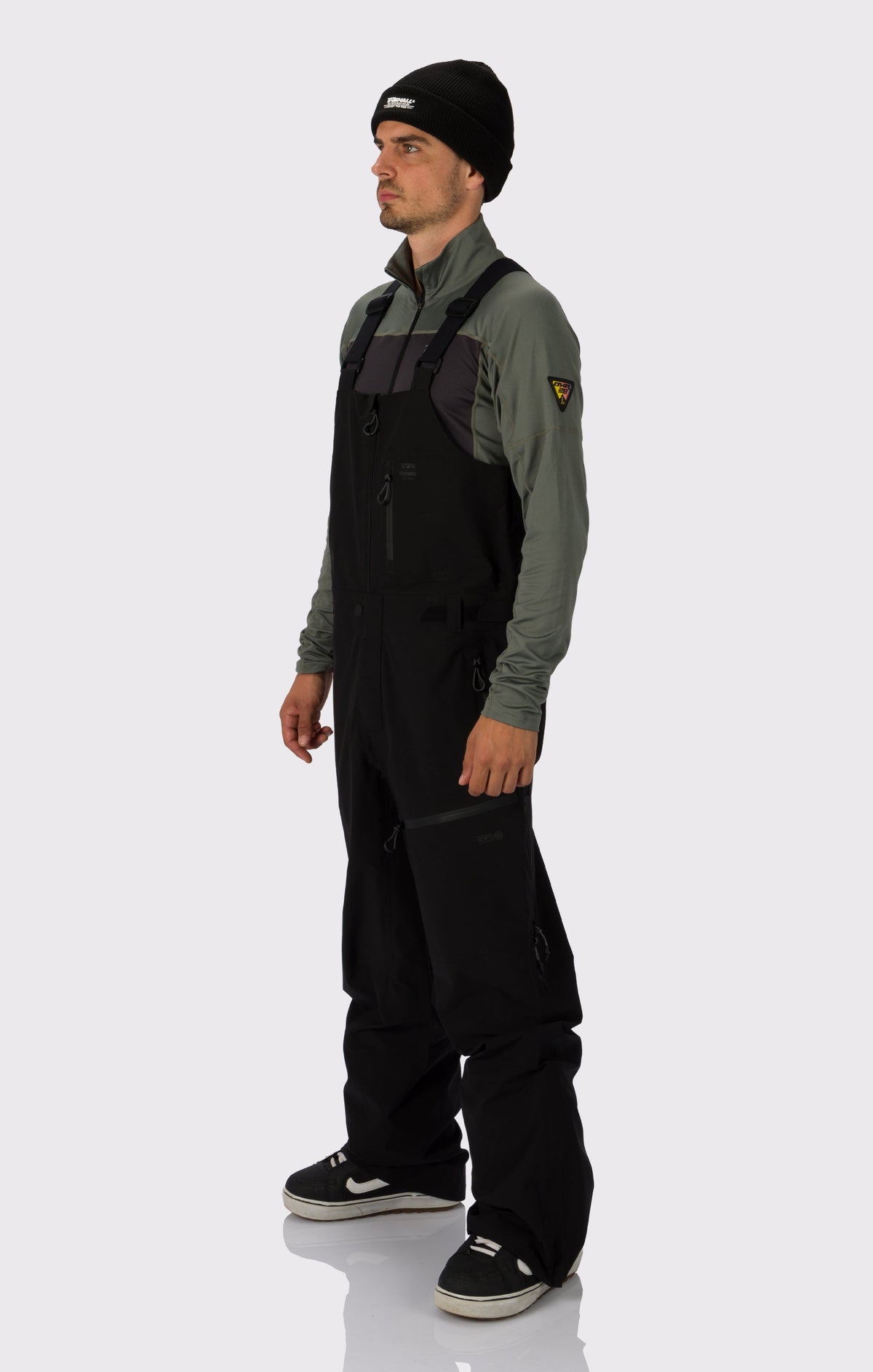


You want to get the most out of your time on the slopes. That starts with the right equipment. A good pair of ski pants keeps you warm, dry, and free to move, from your first run to your last turn after lunch. If you choose the wrong pants, you will notice it quickly: cold, wet clothes, or limited freedom of movement can really ruin a wonderful winter sports holiday.
In our collection, you will find a wide choice of ski pants for every winter sports enthusiast, available in many colors and from various brands. This way, you will always find a pair of pants that contributes to a successful winter sports trip.
On this page, you will find everything you need to choose the right ski pants. We explain what to look for in terms of waterproofing and breathability, help you choose between a shell or insulated pants, and provide size advice for men, women, and children. View the full range of ski pants and find the pair that fits your adventure.
What makes for a good pair of ski pants?
Not every pair of pants is suitable for the slopes. Ski pants protect you against wind, snow, and cold, while simultaneously providing enough freedom of movement to ski to your full potential. But what exactly should you look for?
Waterproofing is one of the most important properties. The water column indicates how much water pressure the fabric can withstand before moisture penetrates. A water column of at least 10,000 mm is a good lower limit for recreational skiing. If you regularly ski in wet snow or poor weather conditions, choose 15,000 mm or higher. This way, you stay dry even after a fall or a heavy snow shower.
Breathability is just as important. While skiing, you are actively moving and building up heat. Without good ventilation, you will sweat until your clothes are soaking wet from the inside. That feels just as unpleasant as rain from the outside. Ventilation zippers on the inside of the thigh solve this. Open them on warm days or during energetic descents and you can regulate your temperature effortlessly.
Snow gaiters are elastic bands at the bottom of the pant legs that prevent snow from getting into your ski boots. This is especially important during a fall or in deep powder and contributes to the comfort and functionality of the ski pants.
An adjustable waist ensures that your pants stay in place all day, even after lunch. And reinforced knees extend the lifespan of your pants if you are actively skiing or snowboarding.
Functionality, such as snow gaiters, adjustable waistbands, handy pockets, and reinforced pant legs, is essential for comfort and performance on the slopes.
Features to look for in ski pants:
- Water column of at least 10,000 mm for good waterproofing
- Breathability for temperature regulation during skiing
- Snow gaiters at the bottom of the pant legs to keep snow out during a fall or in deep snow
- Ventilation zippers for extra cooling on active or warmer days
- Reinforced knees or pant legs for extra durability during intensive use
- Adjustable waistbands for a personalized fit
- Handy pockets for extra functionality while skiing
Shell or insulated ski pants: what suits you?
There are two fundamentally different types of ski pants: shell pants and insulated ski pants. Which one is best for you depends on your riding style, your destination, and how quickly you get warm or cold.
The technology: Shell vs. Insulated
Shell ski pants are light and thin. They offer wind and water protection but have no built-in insulation. That might sound cold, but with the right thermal layer underneath, it is not. By varying your thermal layers, you can adjust your outfit to the temperature of the day. This makes shell pants a versatile choice for active skiers who warm up quickly.
Softshell ski pants have become increasingly popular in recent years. Made of an elastic fabric, this type offers extra freedom of movement and optimal comfort on the slopes. Although they are often water-repellent rather than completely waterproof, they breathe excellently during intensive descents.
Insulated ski pants have a padded interior and keep you warm immediately, without the need for extra layers. This makes them ideal for beginners, families with children who get cold easily, and winter sports enthusiasts heading to colder destinations. You put them on and you are ready to go.
Different models for every style
Besides insulation, the fit and style are decisive for your experience on the mountain. At Rehall, you can choose from various versions:
- Bib pants (Salopette): This model rises high and has shoulder straps. It is the best choice for keeping snow out during a fall or when skiing in deep powder.
- Baggy fit: For those who love a relaxed look and maximum freedom of movement. Especially popular among snowboarders and freestyle skiers.
- With suspenders (braces): Ideal for those who want their pants to stay perfectly in place, no matter how intensely they move.
- With snow gaiter: These models are equipped with an extra barrier at the waist or ankles to prevent splashing snow from getting into your clothing.
- Tyrolean style: Want a unique look on the slopes? The Almduft models combine a traditional appearance with modern technical performance.
Practical advice: what will you choose?
Are you an active skier who moves around a lot and regulates your own heat well? Then choose shell pants and combine them with thermal underwear, such as thermal leggings. Are you a beginner, going on a winter sports trip with young children, or expecting extremely cold conditions? Then insulated ski pants offer the most comfort without the hassle.
At Rehall, you will find both types and all mentioned models in a wide range of sizes and styles. Functional, affordable, and ready for adventure, for every level on the slopes.
Men's ski pants
Men's ski pants fit differently than a unisex or women's model, and you notice it immediately on the slopes. The anatomical fit for men ensures the right balance between freedom of movement and a snug fit that prevents cold from getting in, such as the bib ski pants. Our men's ski pants are available in various fits, such as regular fit, so you can always find a style that suits your preferences.
Straight cut, more room in the crotch and thigh: those are the features of men's ski pants that really work. No pinching fabric when you bend your knees. No material bunching up when you make a turn. Just free movement, all day long.
View the full range of men's ski pants and find your ideal pair for the slopes.
Fit and size advice for men
The right size makes all the difference. Pants that are too tight will restrict your movement and feel uncomfortable after a few hours of skiing. Pants that are too loose let in cold and drafts and are uncomfortable during fast descents. Choosing the right size ensures a perfect fit and optimal comfort while skiing.
For the right size, measure three things: your waist circumference, your hip circumference, and your inseam. Measure your waist circumference at the narrowest part of your torso, your hip circumference at the widest point of your hips, and your inseam from your crotch to your ankle. If you are between two sizes, choose the larger size, especially if you plan to wear extra thermal layers underneath. Consult the size chart for an accurate comparison.
Women's ski pants
Women's ski pants are not simply a smaller version of men's pants. A well-designed pair of women's ski pants is specially tailored to the female anatomy, and you notice this immediately in the comfort and freedom of movement on the slopes. Many women's ski pants have a high waist, which offers extra warmth and support around the midsection. High-waisted ski pants are perfect for those looking for extra warmth and support around the belly. In addition, these ski pants are often stylish, so you not only look comfortable but also fashionable on the slopes.
The feminine cut has a narrower waist, more room in the hips, and a higher waistband in the back. This combination gives you warmth on the lower back and lumbar area, a spot often overlooked in men's models. The result is a pair of pants that fits comfortably without constantly needing to be pulled up, and which you can wear all day without discomfort.
Do you want to combine your ski pants with a ski jacket or a complete ski suit? Pay attention to color coordination and ensure the snow gaiter of your pants connects well to your jacket. This prevents snow from entering through the waist and makes your outfit look sharp.
View the full range of women's ski pants and choose the pair that suits you.
Fit and size advice for women
To find the right size, measure your waist circumference, hip circumference, and inseam. For women's pants, the hip circumference is particularly important, as the cut is specifically tailored to those measurements. Measure your hip circumference at the widest point of your hips and glutes. If you are between two sizes, choose the size that best matches your hip circumference. The adjustable waist will then provide a perfect fit. Always consult the size chart for the most accurate advice.
Ski pants for children and families
Children experience the snow differently than adults. They play, fall, roll around, and get back up. Children's ski pants need to handle all of that. Kids' ski pants have a comfortable fit and adjustable waistbands so they grow with the child and offer optimal protection against cold, snow, and wind. A good fit and the right protection ensure that even the youngest skiers have fun on the slopes all day.
Children's ski pants have reinforced knees that can withstand frequent falls and kneeling while playing. The snow gaiter keeps snow out during a fall in the powder. An adjustable waist provides room for growth, so the pants will still fit well next season.
For the right child's size, measure the waist circumference and the inseam. Compare these measurements with the size chart and, when in doubt, choose the larger size for extra room and growth potential. View the full range of children's ski pants and ensure your kids also head to the slopes warm, dry, and protected.
How do you take good care of your ski pants?
A good pair of ski pants is an investment. With the right care, they will function for years and retain their waterproofing. That starts with washing.
Always wash your ski pants at a low temperature, a maximum of 30 degrees, and use a technical detergent specially developed for outdoor clothing. Never use fabric softener. Fabric softener damages the DWR coating, the layer that ensures water beads off your pants instead of soaking in.
Do you notice that water no longer beads on your pants but soaks through? Then the DWR coating has worn out. You can easily fix this by drying the pants in the dryer on a low setting after washing. The heat reactivates the coating. For extra protection, treat the pants afterward with a DWR spray.
Store your ski pants in a dry, dark, and loosely hung place during the off-season. Do not keep them compressed in a bag or closet, as that will damage the materials and the coating over time.
What does a good pair of ski pants cost?
Ski pants are available in a wide price range, from affordable entry-level models to premium pants for demanding skiers. What you pay has a direct influence on the specs you get.
In the entry-level class, you will find ski pants that perform well for recreational use. They offer basic protection against wind and snow and are ideal for beginning skiers or families who go on winter sports a few times a year. In the mid-range segment, the water column and breathability increase, and you find more comfort details such as ventilation zippers, a snow gaiter, and an adjustable waist. Premium pants combine the highest waterproofing and breathability with lightweight, durable materials and a refined fit for skiers who spend a lot of time on the slopes.
You can also find ski pants that perform well and keep you dry and warm in the affordable category. You don't have to choose the most expensive model to have a great ski holiday. View the assortment, filter by your budget, and discover which ski pants best fit your adventure.
Frequently asked questions about ski pants
How waterproof should ski pants be?
A water column of 10,000 mm is a good lower limit for recreational skiing in normal conditions. If you often ski in wet snow, rain, or heavy weather conditions, choose a water column of 15,000 mm or higher. The higher the water column, the longer you stay dry under heavy stress.
What is the difference between shell ski pants and insulated ski pants?
Shell ski pants have no insulation and are light and versatile. You wear thermal layers underneath and adjust your outfit to the temperature. Insulated ski pants are warm immediately without extra layers, ideal for beginners and colder destinations. Read the extensive explanation above for more advice on which type best suits you.
How do I choose the right size of ski pants?
Measure your waist circumference, hip circumference, and inseam. Compare these measurements with the brand's size chart. Keep in mind that men's and women's pants are cut differently and that if you are in doubt, it is better to choose a size larger, especially if you plan to wear thermal layers under your ski pants.
Can I wash ski pants in the washing machine?
Yes, you can. Wash at a maximum of 30 degrees with a technical detergent and do not use fabric softener. Then dry on a low setting in the dryer to reactivate the DWR coating. See the maintenance section above for the full step-by-step plan.
How do I combine my ski pants with a ski jacket or ski suit?
When combining ski pants with a ski jacket, pay attention to a good connection via the snow gaiter. This prevents snow from seeping in through the waist. If you opt for a sleek look without the hassle, a ski suit is the most convenient option: jacket and pants are already matched in fit and style. If you want to combine freely, coordinate the colors of your pants and jacket for a polished look. Don't forget your ski accessories for a complete outfit.