


Girls' Sweaters & Cardigans
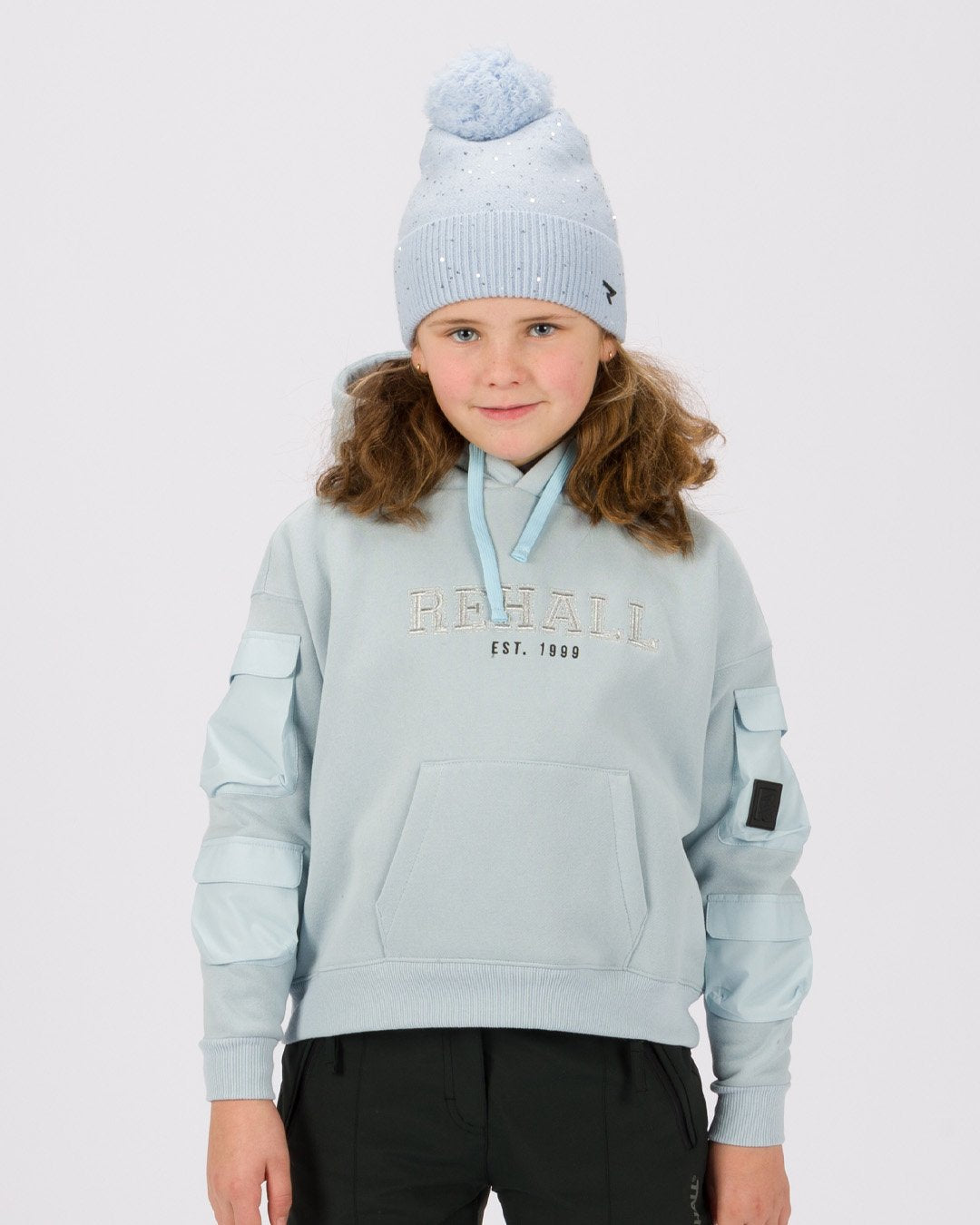


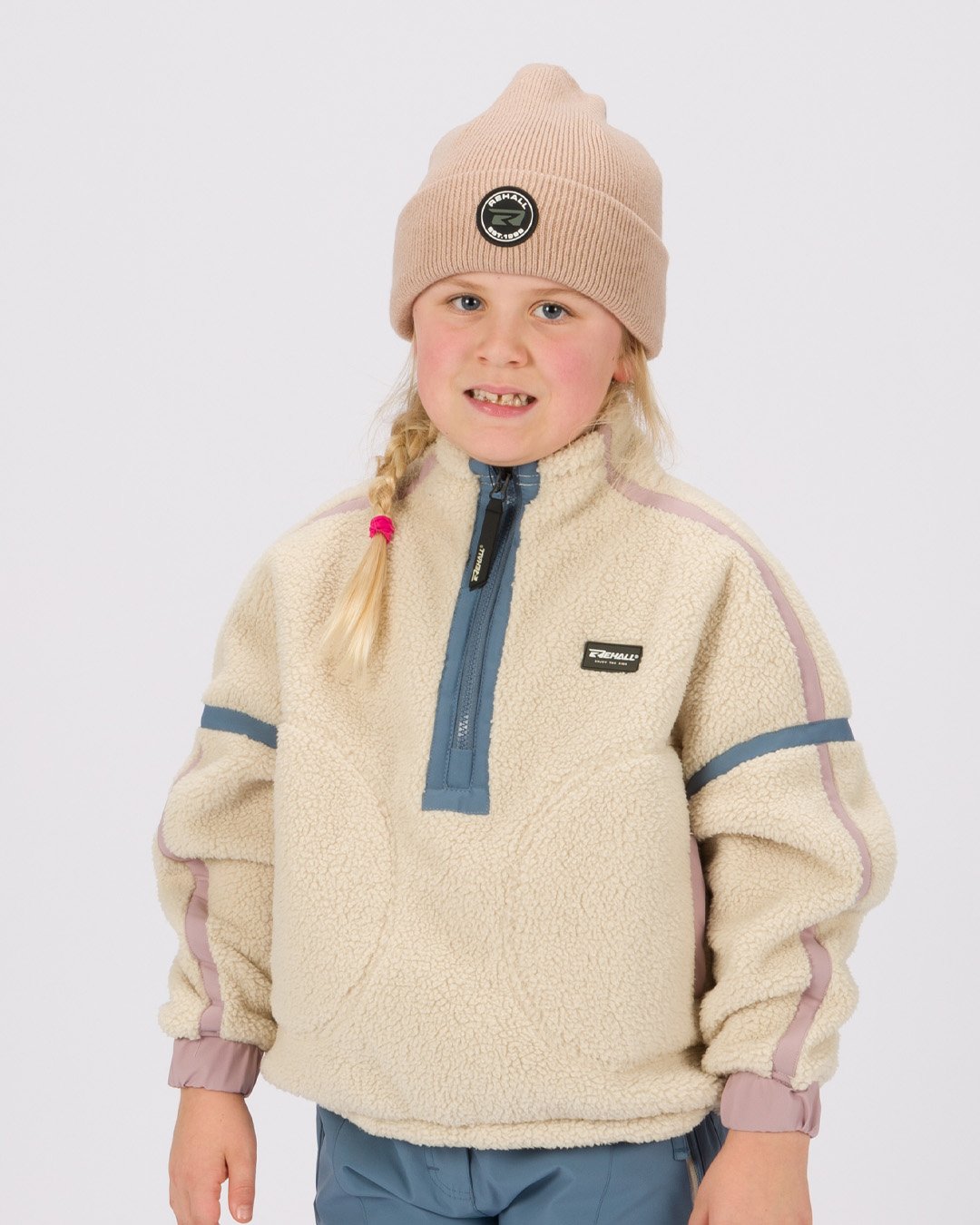


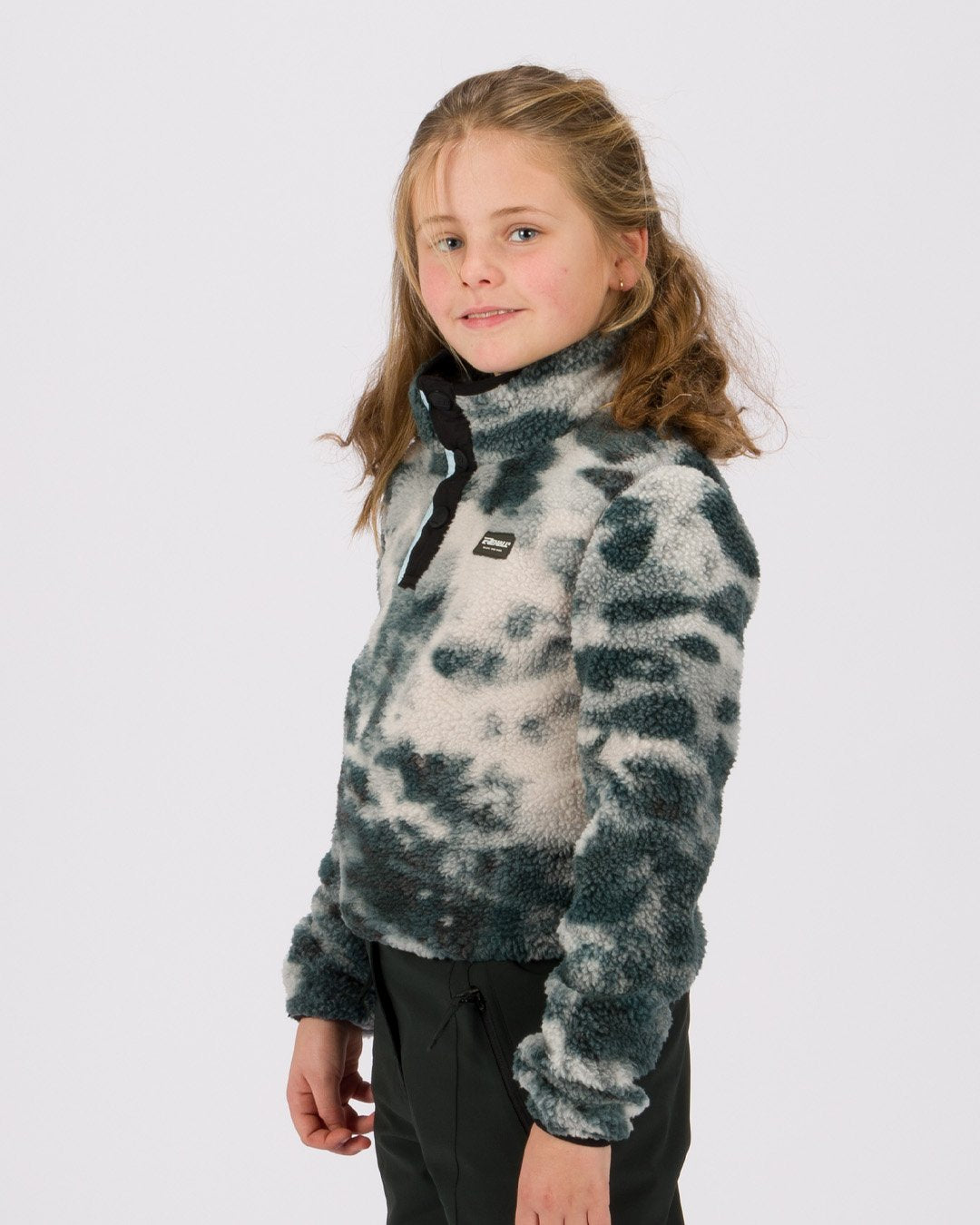


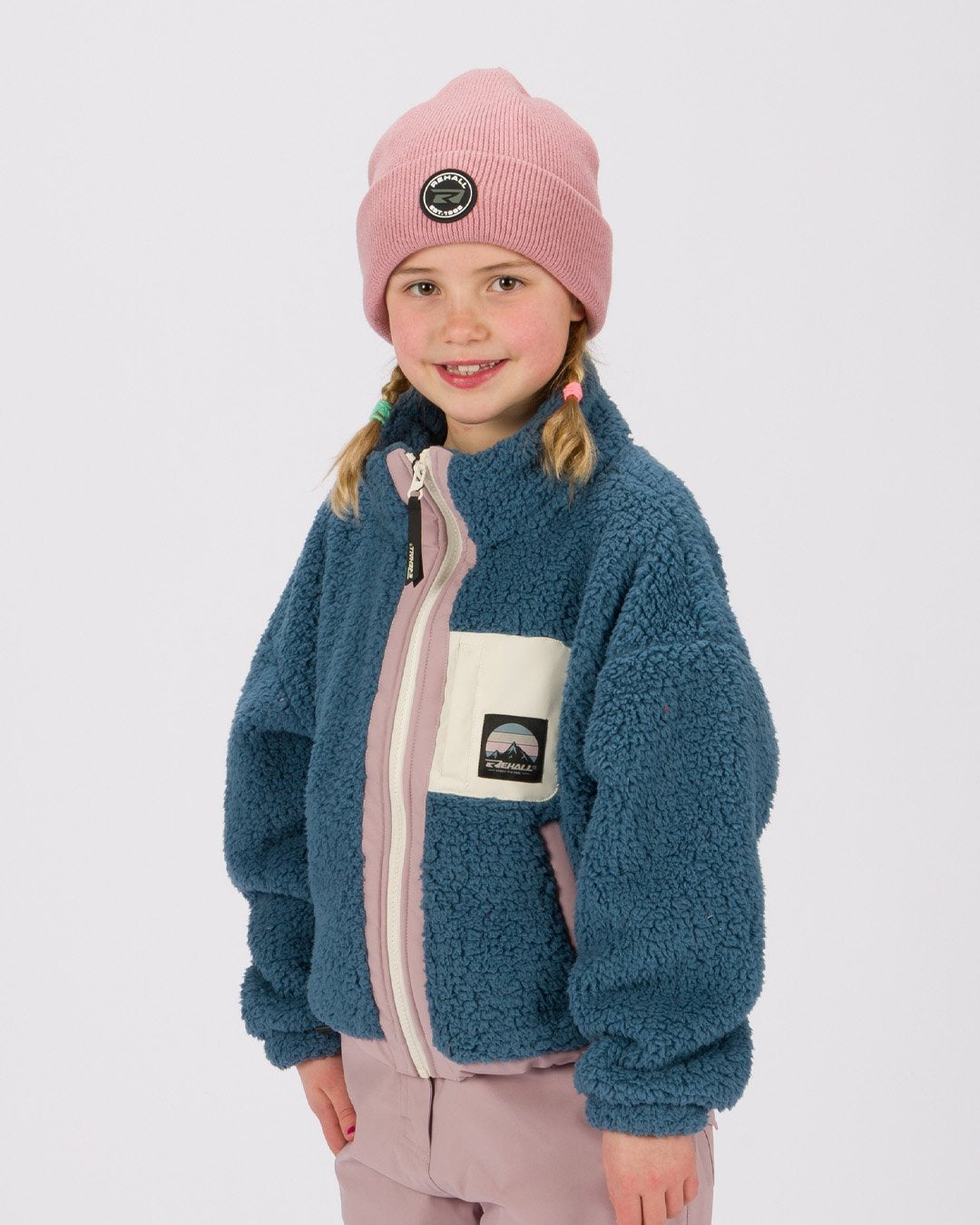


Why a ski sweater or vest for girls?
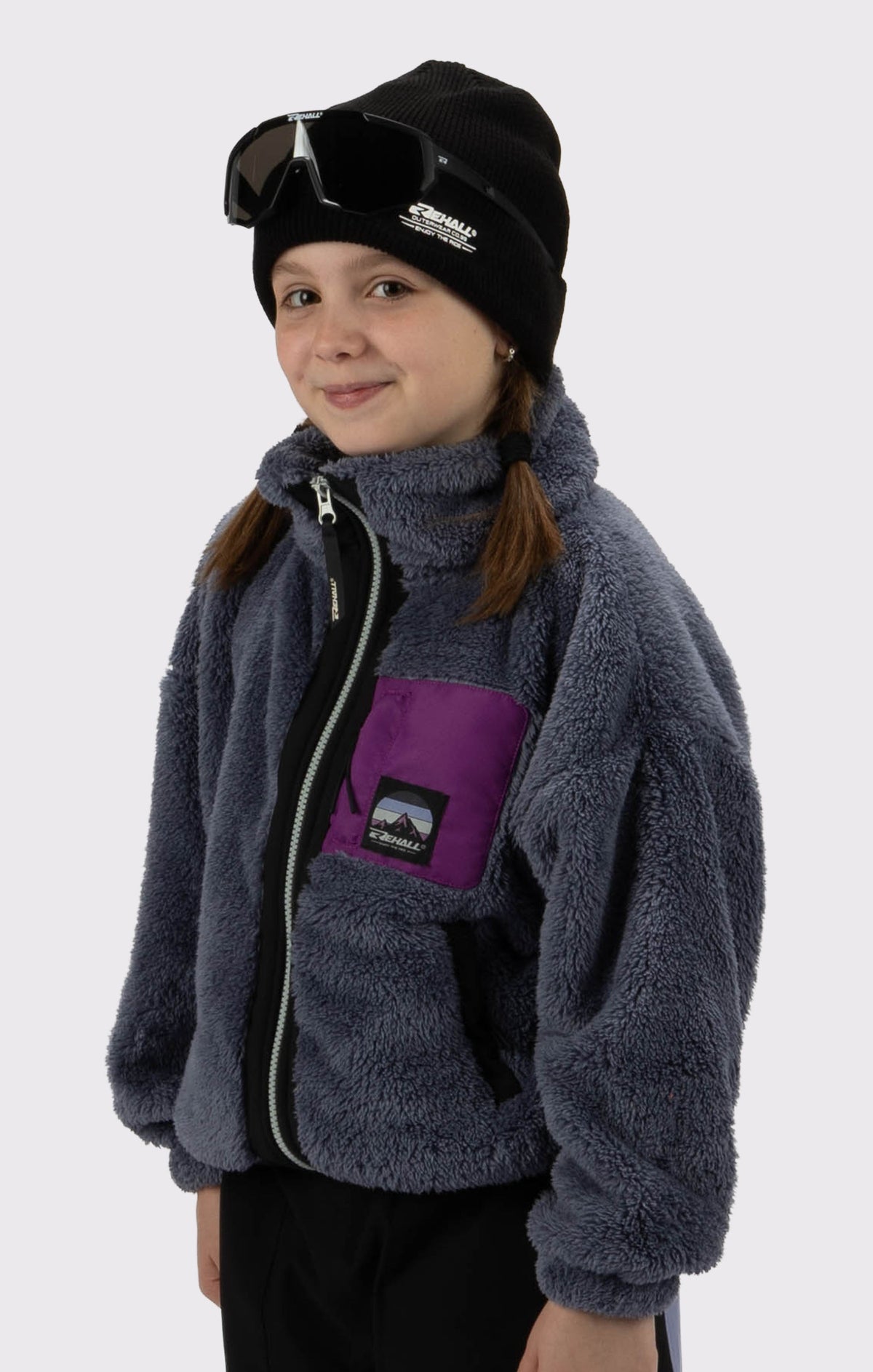
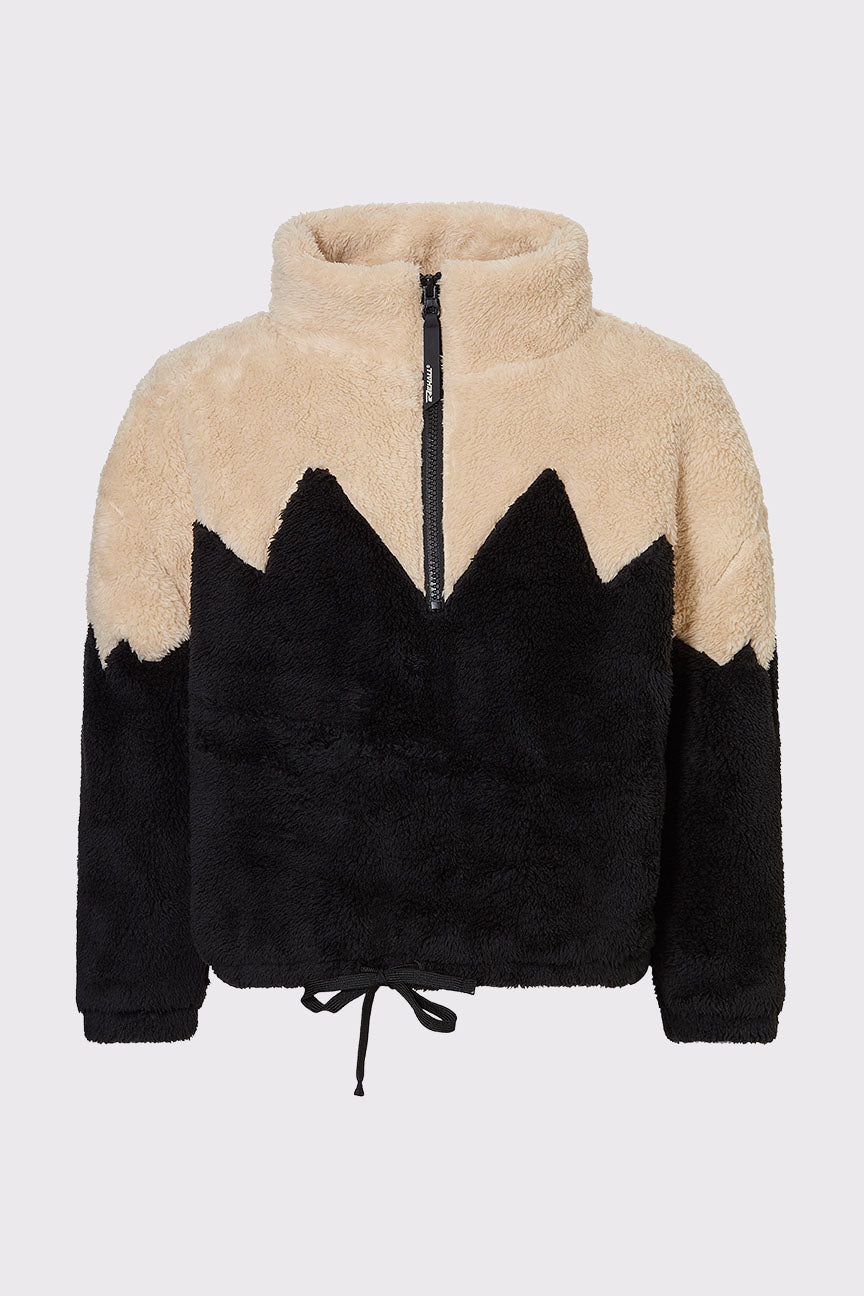
A ski sweater or vest forms the middle layer in the layering system and is essential for optimal warmth and comfort on the slopes. While thermal underwear wicks moisture away from the skin, the middle layer retains body heat and insulates against the cold. Fleece material creates small layers of air that insulate without feeling heavy. This is crucial during skiing, where your daughter alternates between intense movement and standing still on the chairlift.
A good ski sweater or vest offers freedom of movement thanks to stretchy material and an active fit. This prevents the fabric from riding up or feeling tight when bending and turning on skis. Modern fleece fabrics quickly transport perspiration to the outer layer, preventing your child from feeling clammy due to sweat. Combine the middle layer with a water-repellent ski jacket as an outer layer for complete protection against snow and wind. Looking for the outer layer as well? Then check out the ski suits collection for a complete outfit in one go.
How to choose the right ski sweater or vest?
The choice between a vest or a sweater depends on weather conditions and personal preference. A fleece vest keeps the torso warm while keeping the arms free, which is ideal in moderate cold or if your daughter warms up quickly. Vests provide extra freedom of movement in the shoulders and are easy to put on and take off. A sweater offers full coverage and is suitable for colder days or children who cool down more quickly.
Vest or sweater: what suits your daughter?
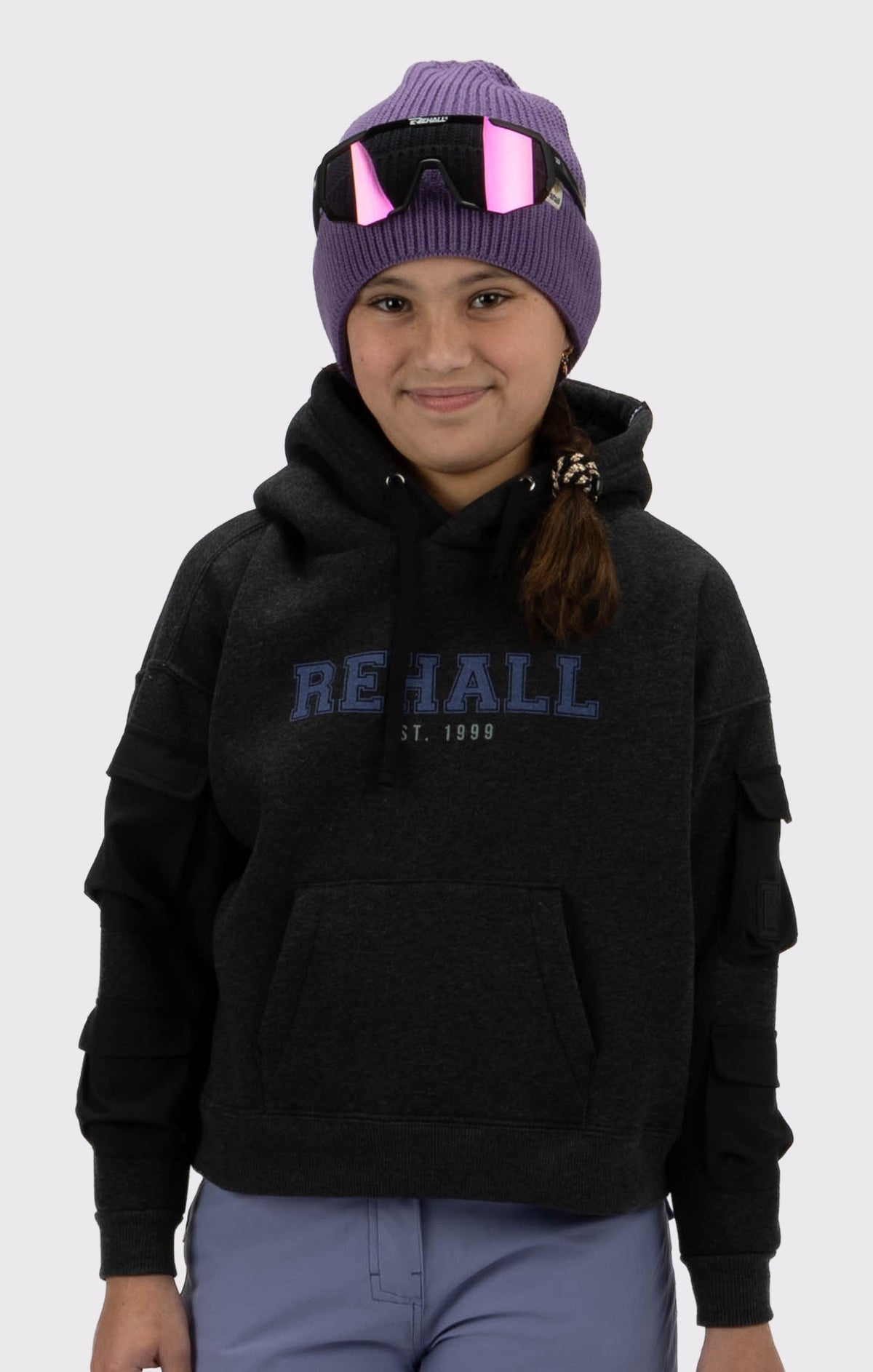
Choose a vest for temperatures between 0 and 5 degrees Celsius, or when your daughter is skiing intensely and is not easily bothered by cold arms. Vests are practical for wearing over a ski turtleneck and provide plenty of freedom of movement. A sweater is the better choice at temperatures below freezing, or as an extra warm layer on cold days. Sweaters or hoodies with a zipper offer flexibility: unzip for ventilation while skiing, zip up for extra warmth on the lift.
Fleece thickness and warmth
Fleece sweaters and vests come in different thicknesses, usually indicated in grams per square meter (g/m²). Thin fleece of 100 to 200 g/m² is suitable as a light middle layer in mild weather or for active skiers who warm up quickly. Mid-weight fleece of 200 to 300 g/m² offers more insulation and is versatile for changing temperatures. Note that thicker fleece does not always mean warmer: modern fleece fabrics with a compact structure often insulate better than older, thicker variants.
Fit and freedom of movement
Girls' ski sweaters and vests have an active fit that follows the body without constricting. Check that the armholes are spacious enough for freedom of movement, but not so wide that cold air gets in. The length should be sufficient to cover the lower back, even when your daughter leans forward. Elastic cuffs on sweaters prevent snow from getting inside. Always check the size guide for the right size, as girls' ski clothing sometimes runs smaller than regular leisure clothing.
Which materials are best for ski sweaters and vests?
Most girls' ski sweaters and vests are made of polyester fleece, a synthetic material specifically developed for athletic performance. Fleece is soft, lightweight, and retains heat through a structure of small air layers between the fibers. Unlike cotton, polyester remains functional when damp: it dries up to 3 times faster and does not lose its insulating effect. This is essential in winter sports, where perspiration and snow constantly alternate.
Fleece and polyester: why ideal for skiing
Polyester fleece weighs very little, so your daughter is not burdened with heavy clothing while skiing. The material is breathable: perspiration is transported outward through the fibers, so the skin stays dry. Many Rehall items are (partly) made of recycled polyester, which delivers the same performance with a smaller ecological footprint. Furthermore, fleece is scratch-resistant and pill-resistant when of the right quality, so it still looks good after several seasons.
Water-repellent and quick-drying
A water-repellent treatment on the outside of a fleece sweater or vest ensures that light snow and moisture are not immediately absorbed. This keeps the material lighter and warmer. For those looking for waterproof ski clothing, Rehall also offers a separate collection with higher water column ratings. The quick-drying nature of polyester means that a wet sweater is ready to be worn again within 30 to 60 minutes in a heated room.
Where does the middle layer fit in the layering system?
The layering system consists of three layers that work together: a base layer that wicks moisture, a middle layer that retains heat, and an outer layer that protects against wind, rain, and snow. Ski sweaters and vests fall into the second layer. By combining smartly, you regulate your temperature without having to ski in one thick jacket.
On a cold morning, your daughter wears all three layers. When the sun breaks through or skiing becomes more intense, you simply take off the vest or sweater and put it in a backpack. This flexibility makes the layering system more effective than a single warm jacket. Combine the middle layer with a good girls' ski pants for complete protection from head to toe. Buying for a son as well? Then check out the boys' ski turtlenecks for similar middle layers.
How to determine the right size for girls?
Measure your daughter's chest, waist, and hip size and compare them with the Rehall size guide. Take into account a base layer underneath: the ski sweater or vest should fit comfortably over thermal underwear without constricting. A little room to grow by one size is useful if your daughter wants to wear the clothing for multiple seasons, but do not choose too big. A sweater that is too loose does not insulate as well because the air layer against the body becomes too large.
Always check the size guide on the product page for exact size charts per model. Rehall junior clothing uses standard European children's sizes, but the fit may vary slightly by model.
How to maintain ski sweaters and vests?
Wash fleece sweaters and vests at 30 degrees with a mild detergent without fabric softener. Fabric softener puts a layer on the fibers that reduces breathability. Use a delicate wash cycle with a low spin speed to prevent pilling. Preferably air dry fleece or use a low-temperature setting in the dryer.
Want to restore the water-repellent effect after several washes? Then use the Rehall Go Dry Water Repellent Spray to renew the DWR coating. Spray the product evenly on the clean, dry surface and let it dry for at least 24 hours before use. Store fleece clothing after the season clean and dry on a hanger, not folded, to keep the fiber structure intact.
Frequently asked questions
What is the difference between a ski sweater and a ski vest for girls?
A ski sweater covers the entire upper arms and torso, providing more warmth in low temperatures. A ski vest leaves the arms free and offers extra freedom of movement, ideal in moderate cold or for girls who warm up quickly while skiing. Both function as a middle layer in the layering system.
Can my daughter also wear a ski sweater off the ski slopes?
Yes. Fleece sweaters and vests are versatile for winter walks, ice skating, or simply as a warm layer on cold school days. The quick-drying material and active fit make them suitable for any outdoor activity.
Which size should I choose if my daughter is between two sizes?
When in doubt, choose the larger size so there is room for a base layer underneath and potential growth. Always check the size guide on the product page for exact measurements per model.
How warm does a fleece sweater keep you while skiing?
A fleece middle layer of 200 g/m² keeps the body temperature comfortable at temperatures around freezing, provided it is combined with a good base layer and ski jacket. In extreme cold (below -10 degrees Celsius), you can combine a thinner fleece sweater with a vest for double insulation.
Can I put fleece in the dryer?
Yes, fleece can be put in the dryer on a low-temperature setting. Avoid high temperatures, as they can damage the fibers and cause pilling. Airing on a hanger is the most gentle option and extends the life of the material.