


Boys' Ski Pullies


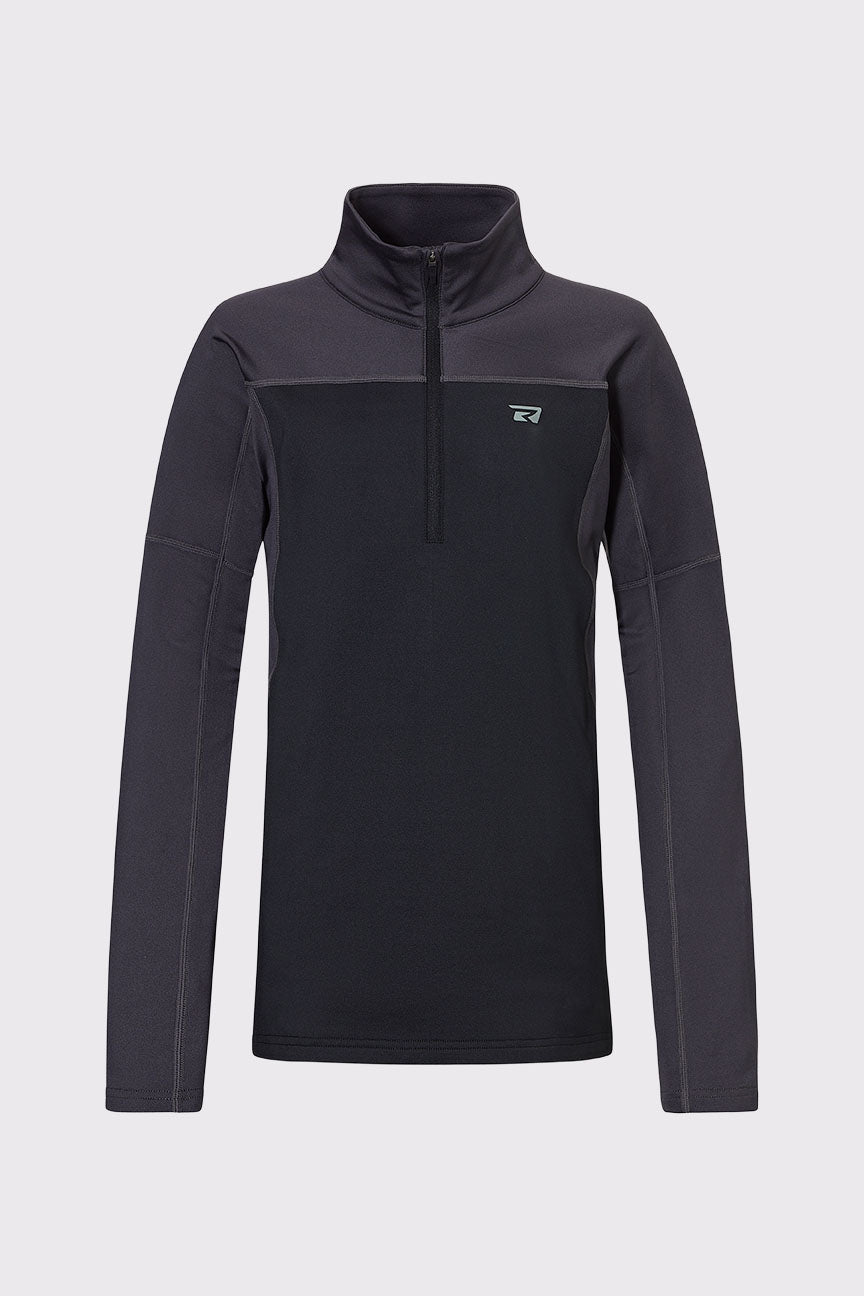

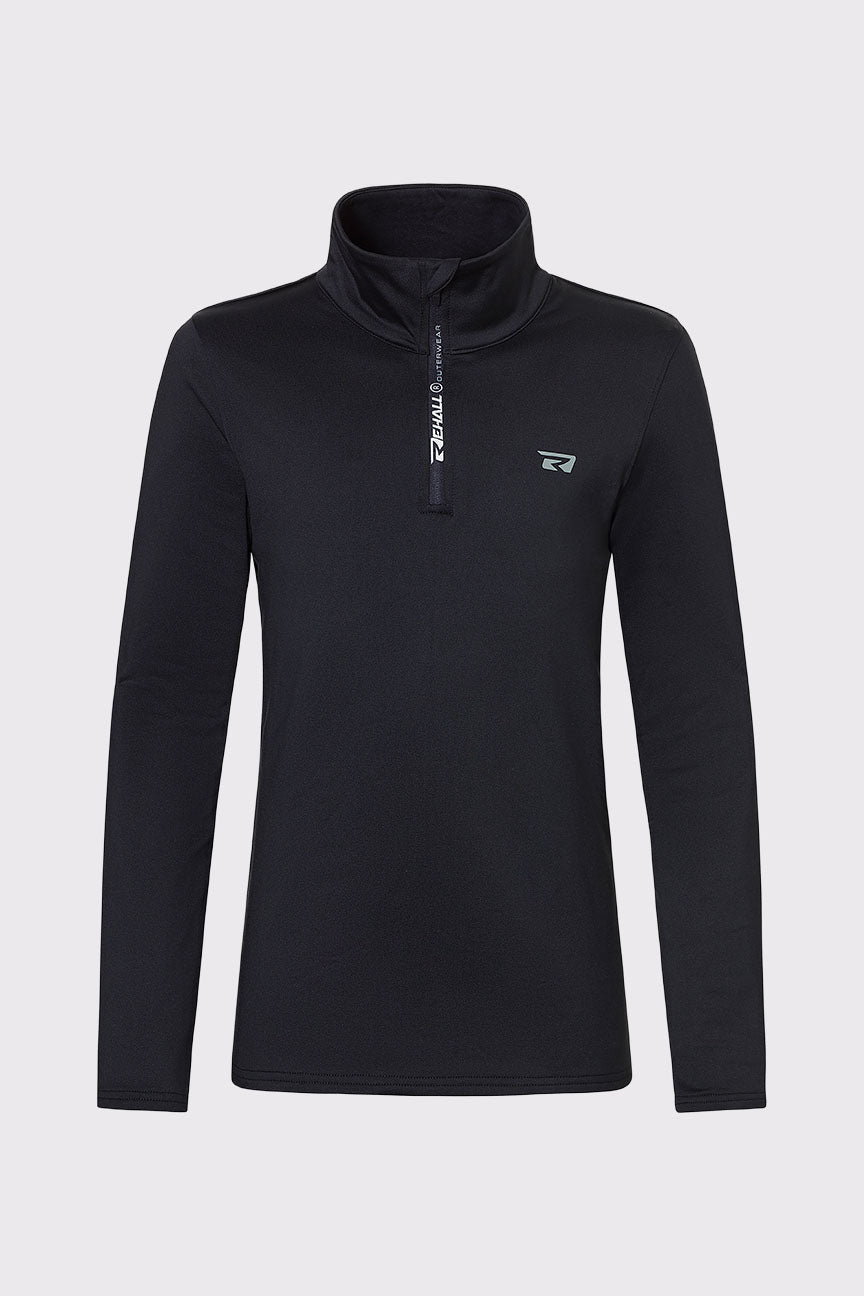


Why choose a ski turtleneck for boys?
A ski turtleneck is the most important midlayer in the three-layer system for winter sports. Positioned between the thermal underwear and the ski jacket, this layer retains body heat while actively wicking moisture away to the outside. This is essential for boys who spend all day on the slopes: the ski turtleneck keeps insulating while waiting for the chairlift, but the breathable material prevents overheating during a fast descent.
The major advantage over a regular sweater lies in its moisture-regulating capacity. Polyester fleece does not attract moisture like cotton, ensuring your son won't get cold from his own perspiration. The anatomically shaped fit of Rehall ski turtlenecks provides maximum freedom of movement without the fabric bunching up under the jacket. Additionally, all models are treated with an anti-odor finish, so the ski turtleneck stays fresh even after several days.
On cold days, wear the ski turtleneck under a ski jacket for boys for maximum warmth. On sunny spring days or during intense runs, the ski turtleneck works perfectly as an outer layer, directly over the thermal underwear. This versatility makes a good ski turtleneck an indispensable part of every boy's ski wardrobe.
How to choose the right ski turtleneck for your son?
The best ski turtleneck combines three features: the right material, a functional zipper type, and a fit that moves with you. Start with the material. Fleece ski turtlenecks have a soft, fluffy interior that insulates well, while smooth polyester models are lighter and dry faster. Many Rehall models combine both: fleece on the inside and smooth polyester on the outside.
The zipper type determines how easily your son can regulate his temperature. A 1/4 zip runs from the collar to mid-chest, offering quick ventilation during a challenging descent. When closed, the same zipper provides extra protection against cold wind. Rollneck models do not have a zipper but feature a high, form-fitting collar that covers the neck completely. Ideal for boys who are sensitive to drafts around the neck.
The fit is just as important. A ski turtleneck should be form-fitting without being tight, allowing it to function effectively as a midlayer under the ski jacket. Stretch technology in the material ensures the fabric moves with every turn, jump, and twist. Rehall ski turtlenecks are anatomically cut, meaning the sleeves and torso follow exactly how a boy moves on the slopes. Always check the Rehall size guide for the exact measurements per size.
Which size ski turtleneck is right for boys?
Ski turtlenecks for boys are available in standard clothing sizes corresponding to height and age: size 140 (approx. 9 to 10 years), 152 (10 to 12 years), 164 (12 to 14 years), and 176 (14 to 16 years). These sizes correspond to body height in centimeters, but individual body shapes (especially shoulder and chest width) can vary significantly. That is why it is essential to check the Rehall size guide before you order.
A frequently asked question is whether you should buy a size larger so your son can wear it longer. This is less advisable for a ski turtleneck than for a ski jacket. A midlayer that is too loose provides less insulation because too much air circulates between the layers. Moreover, excess fabric can ride up under the jacket, which is uncomfortable while skiing. It is better to choose the size that currently fits well. Thanks to the stretch material, the ski turtleneck will also accommodate a growth spurt of a few centimeters.
Fleece or polyester ski turtleneck?
Fleece ski turtlenecks have a soft, fluffy structure that traps air, providing excellent insulation. This type is the best choice for cold days (below 5°C) or for boys who are not yet skiing very intensely. The soft interior feels comfortable against the skin and provides a warm sensation the moment you put it on.
Smooth polyester ski turtlenecks are lighter and dry faster. They transport moisture more efficiently from the skin to the outside of the fabric, which is an advantage for boys who move a lot and sweat easily. At temperatures around freezing or in the spring, a smooth polyester ski turtleneck provides sufficient warmth without overheating.
In many models, Rehall combines both materials: fleece on the inside for comfort and insulation, with a smooth polyester exterior for quick-drying capabilities. This way, you benefit from the best of both worlds. Are you looking for other boys' ski sweaters and vests besides ski turtlenecks? In that category, you will find additional options to tailor your midlayer to the weather.
1/4 zip or rollneck ski turtleneck?
A 1/4 zip ski turtleneck offers instant temperature regulation. By opening the zipper, you vent excess heat, and when closed, it gives extra protection against cold wind around the neck. This makes the quarter-zip the most versatile type: suitable for changing weather conditions and varying activity levels. Especially for boys who are slightly more advanced and take longer runs, that ventilation option is a major plus.
A rollneck ski turtleneck seals completely around the neck, without a zipper. This means maximum warmth and no risk of zipper wear or a cold metal zipper against the chin. This type is ideal for boys who are starting to ski and stand still more often (during lessons or on the practice slope), or for truly cold days below -10°C. The disadvantage is that the temperature is harder to regulate. On mild days, a rollneck can feel too warm.
Doubtful between the two? For most boys, a 1/4 zip is the safest starting point. That flexibility makes it the most popular option. Looking for the same type for adults? Take a look at our men's ski turtlenecks for similar models in larger sizes.
How to combine a ski turtleneck with the rest of the ski outfit?
The ideal layering system for winter sports consists of three layers: a thermal undershirt against the skin, the ski turtleneck as a midlayer, and a ski jacket as an outer layer. Each layer has a specific function. The undershirt wicks moisture away from the skin, the ski turtleneck retains heat and regulates temperature, and the ski jacket protects against wind, snow, and rain.
When combining, pay attention to the fit between the layers. A ski turtleneck should fit smoothly under the ski jacket without riding up. Rehall jackets feature Velcro strips at the wrists (not cuffs), ensuring that the sleeves of the jacket and ski turtleneck connect well. This prevents cold air from entering through the wrists. Looking for a complete set at once? Our complete ski suits feature matching jackets and pants, so you only need to choose the right midlayer.
Tip: match the thickness of your ski turtleneck to the temperature and the intensity of the ski session. In cold weather and relaxed skiing, choose a thicker fleece variant. In sunnier weather or during intense runs, a thinner, smooth polyester ski turtleneck will suffice.
Maintenance and care of ski turtlenecks
Wash ski turtlenecks at a low temperature (30°C) with a mild detergent and without fabric softener. Fabric softener leaves a layer on the fibers that reduces moisture-wicking capacity. Also, do not use bleach or high-temperature tumble dryers, as these can damage the elastic fibers and stretch technology.
To restore the water-repellent properties of the ski turtleneck after several washes, you can use the Rehall Go Dry Water Repellent Spray. Spray it evenly onto the clean, dry ski turtleneck and let it dry completely before use. This extends the lifespan and keeps the material functional.
After the season, store ski turtlenecks clean and dry, preferably hanging or loosely folded. Do not store them in plastic bags, as these trap moisture and can cause mold growth. With proper maintenance, a high-quality ski turtleneck will last for several seasons.
Frequently Asked Questions
What is the difference between a ski turtleneck and a fleece vest?
A ski turtleneck covers the entire torso and arms and functions as an insulating midlayer. A fleece vest leaves the arms free and provides less insulation around the shoulders. For winter sports in temperatures below freezing, a ski turtleneck is the better choice because it retains more body heat.
Can my son wear a ski turtleneck off the slopes as well?
Yes, a ski turtleneck is versatile enough for everyday use in winter. Due to the breathable material and comfortable fit, it also works well for other outdoor activities such as hiking, ice skating, or just going to school.
How do I know if a ski turtleneck fits well under the ski jacket?
Put on the ski turtleneck along with the thermal undershirt that your son wears on the slopes, and put the ski jacket over it. The ski turtleneck should not pinch or ride up anywhere. There should be enough room to fully stretch the arms and bend forward without the fabric straining.
How many ski turtlenecks does my son need for a ski week?
Two ski turtlenecks are sufficient for a week of winter sports. Thanks to the quick-drying material and the anti-odor treatment, you can wear them alternately. Wash one after three days, and it will be dry and ready for the next ski day within a night.
Are boys' ski turtlenecks suitable for snowboarding?
Absolutely. The function of a ski turtleneck as a midlayer is identical for skiing and snowboarding. The stretch technology and anatomical fit provide the same freedom of movement, regardless of the winter sport. For snowboarding, a 1/4 zip model is extra handy, as the ventilation option fits well with more intense physical exertion.
From what age does a boy wear a ski turtleneck?
Ski turtlenecks for boys are available from size 140, which corresponds to an age of approx. 9 to 10 years. For younger children, there are similar midlayers in smaller sizes. Check the Rehall size guide to determine which size suits your son's height.