


Men's Ski Pullies
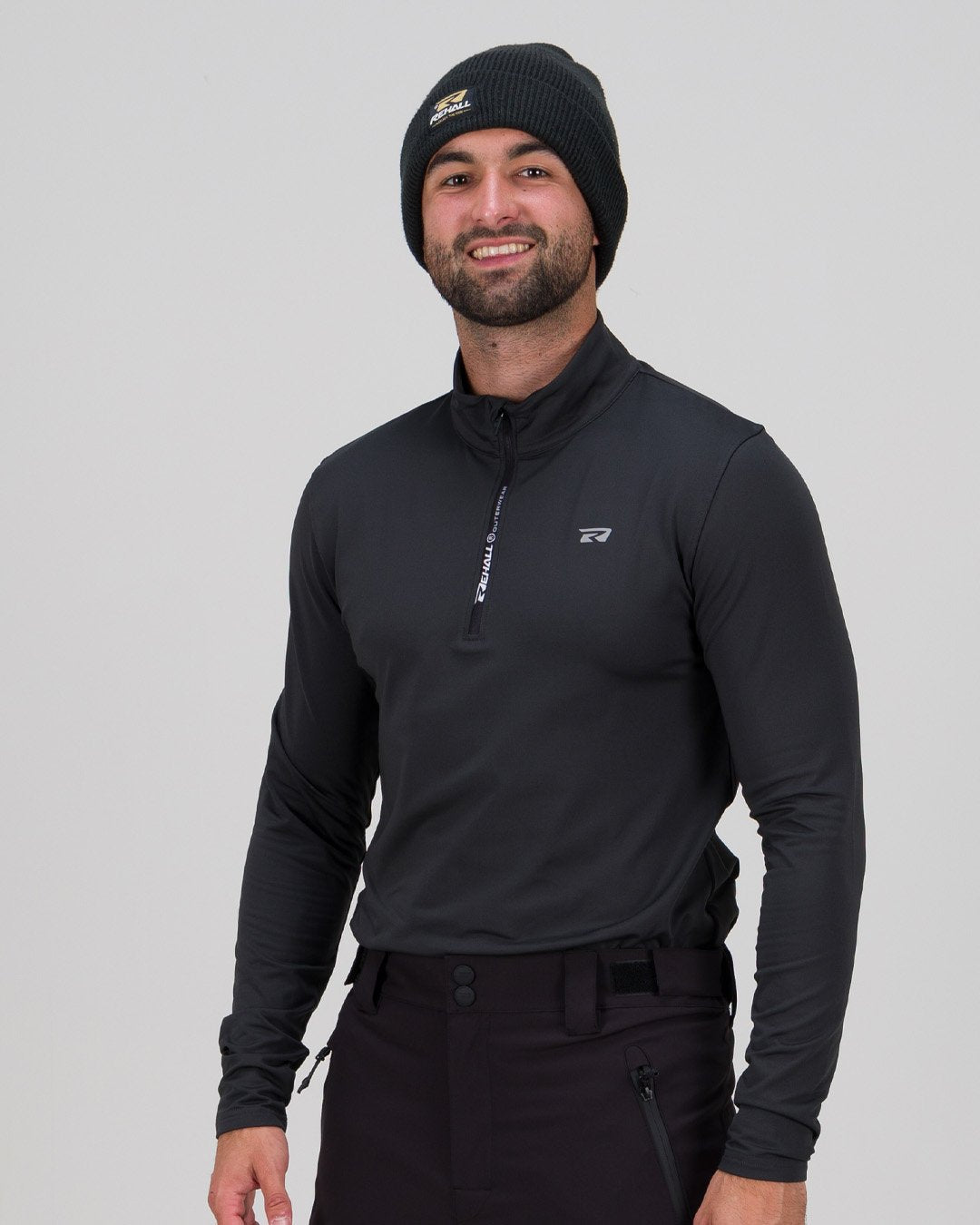


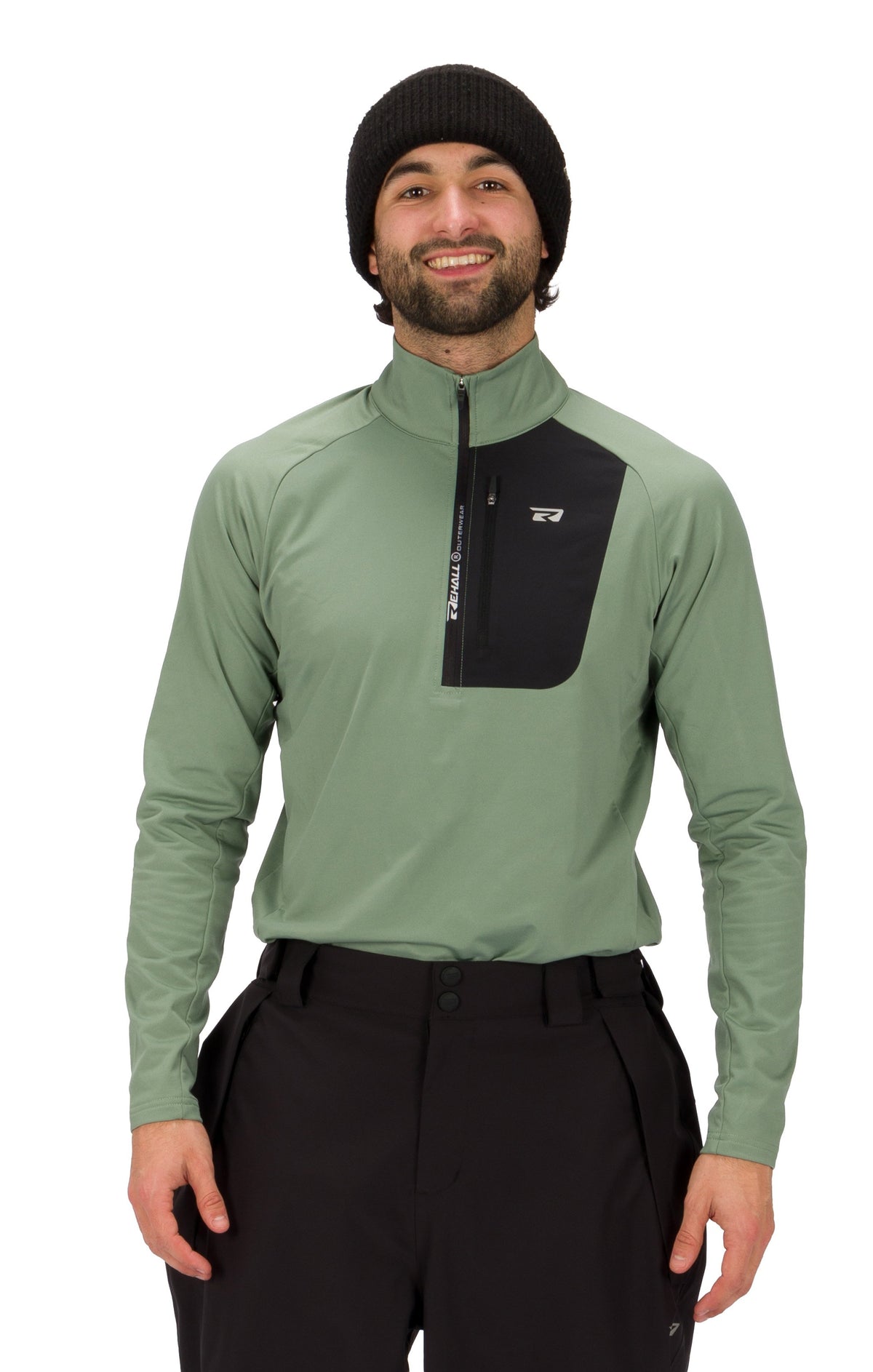


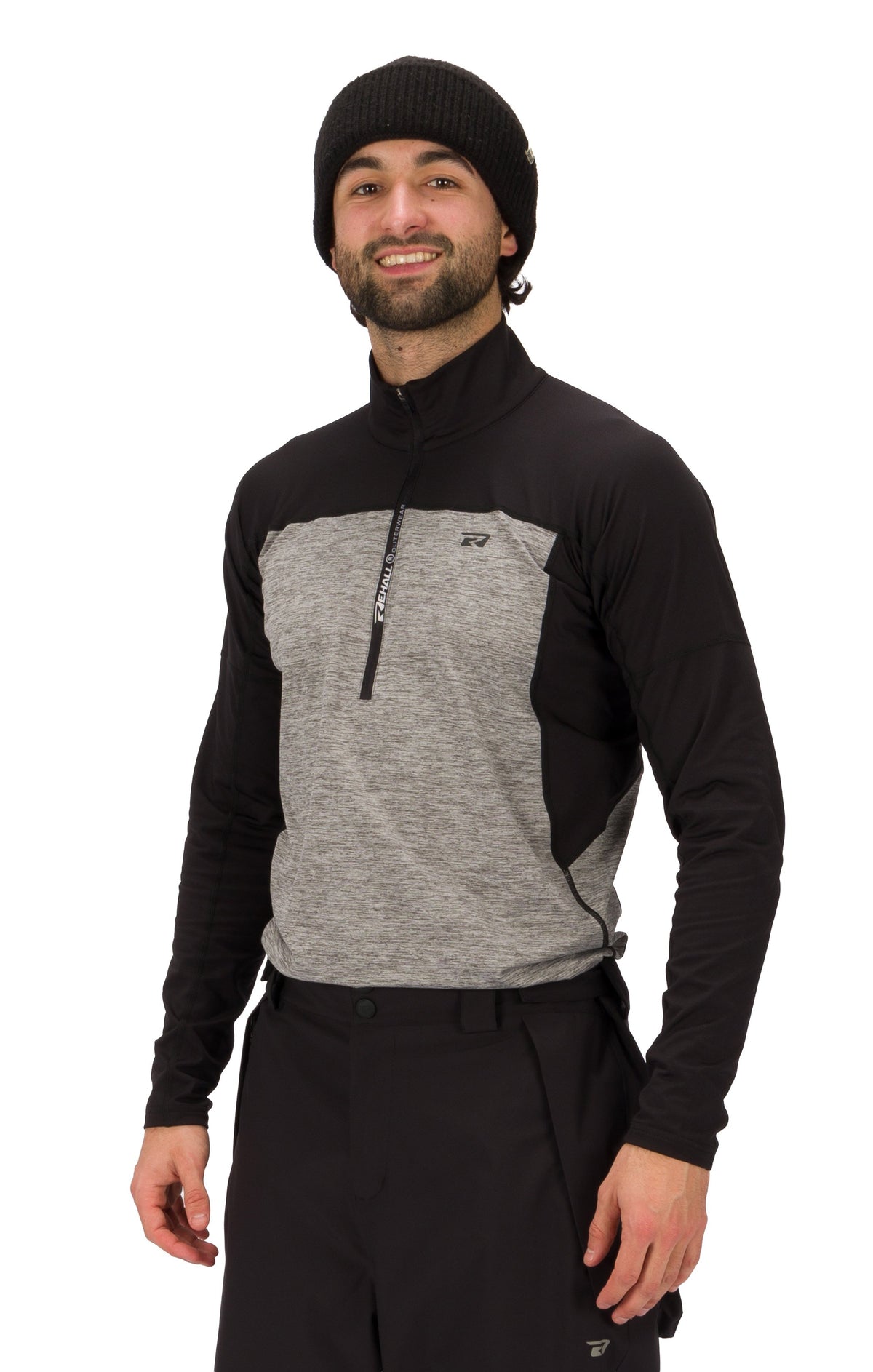


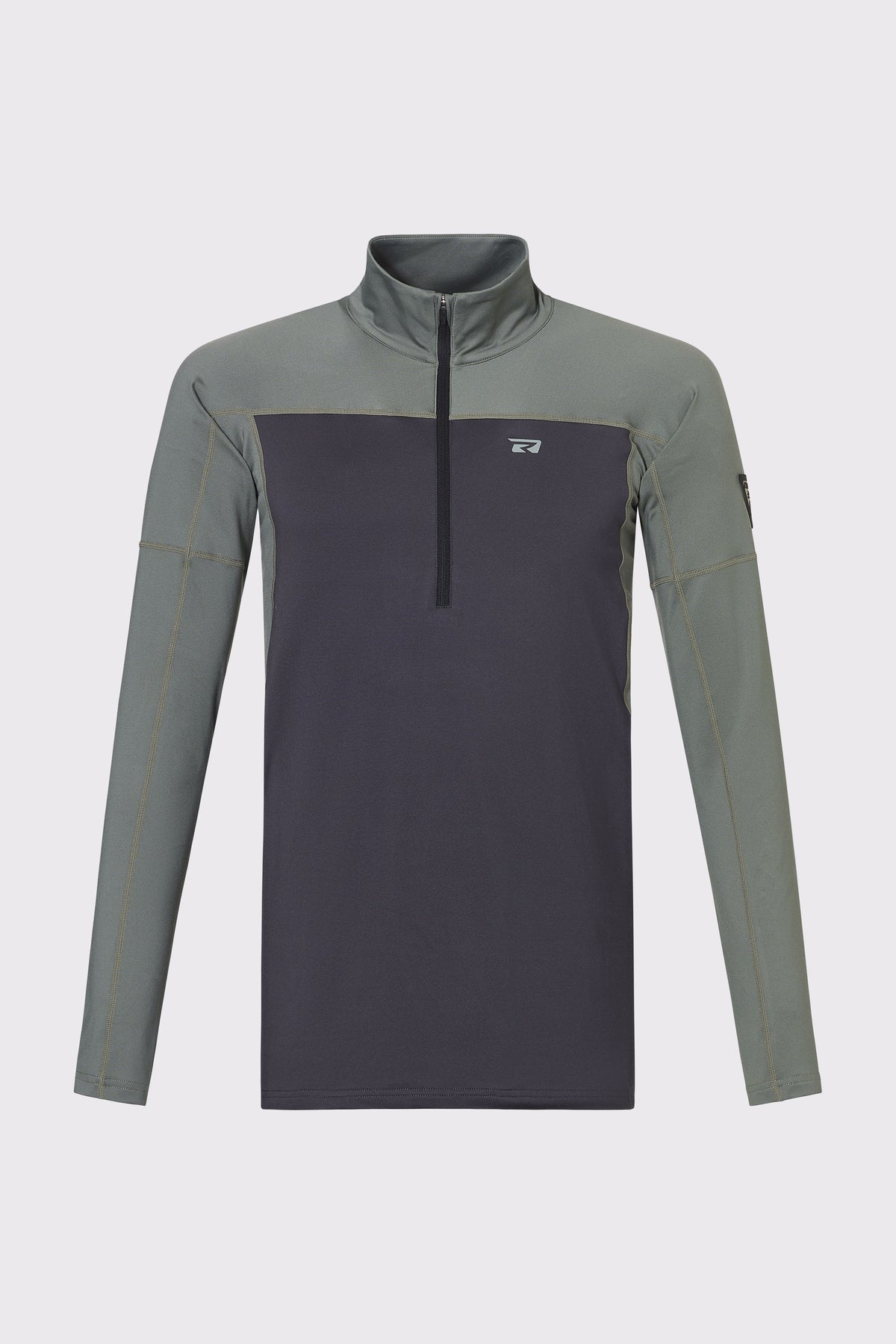
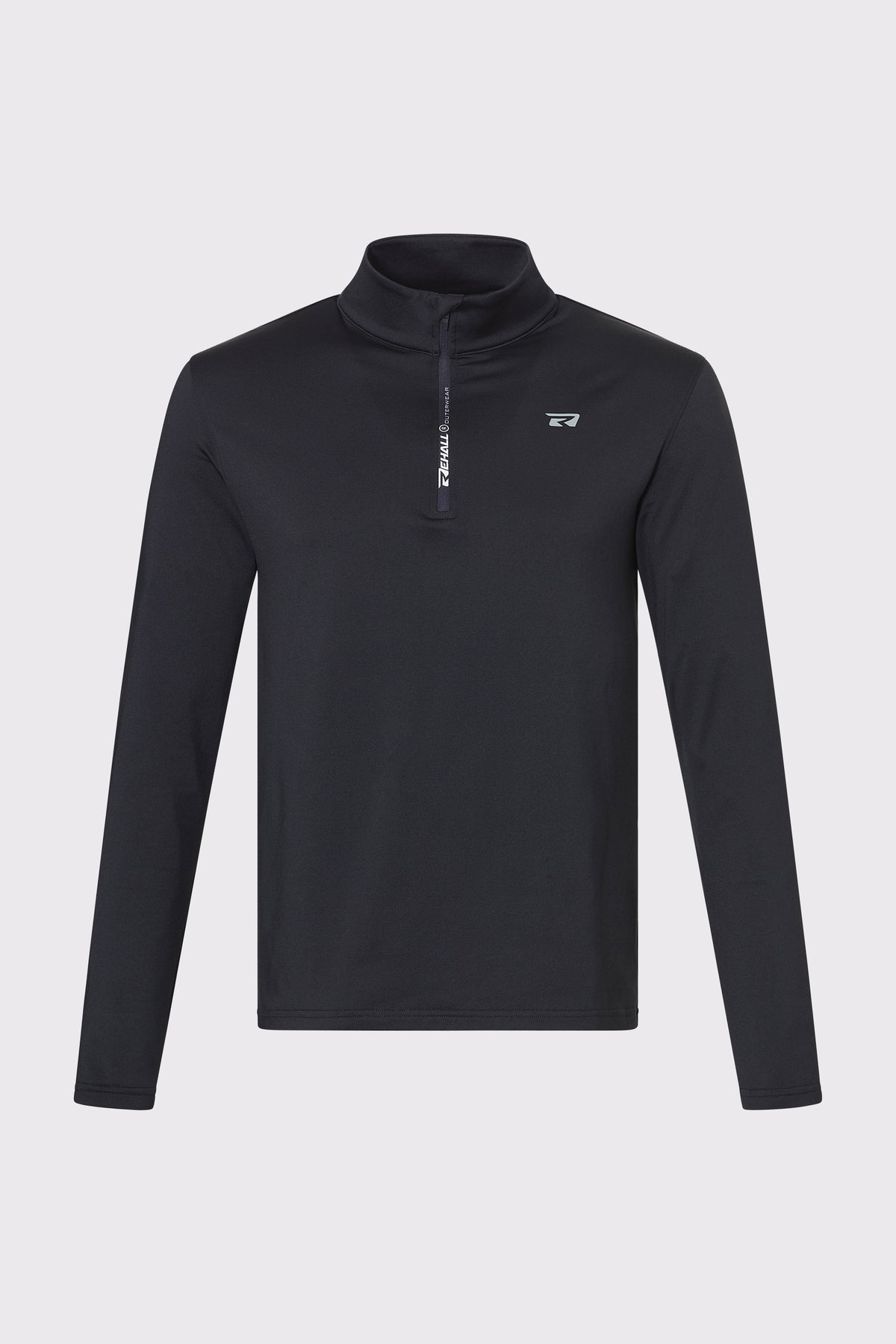


What do you use a ski sweater for?
A ski sweater functions as an insulating mid-layer in the three-layer system for winter sports. This system consists of a thin base layer (thermal shirt) directly against the skin, an insulating mid-layer (the ski sweater), and a waterproof outer layer such as a ski jacket. The ski sweater retains the heat your body produces while transporting perspiration moisture away. This prevents overheating during active skiing and hypothermia when standing still in the ski lift.
The difference from a thermal shirt lies in thickness and insulating capacity. While a thermal shirt primarily provides moisture management, a ski sweater also adds warmth. Compared to a ski jacket, the ski sweater is more breathable and lighter, preventing you from having an overheated layer under your jacket during intense descents.
Position in the 3-layer system
The ski sweater forms layer two of the proven three-layer system. Layer one, the thermal shirt, is worn directly against your skin and wicks away sweat. The ski sweater builds on that by passing moisture further along while simultaneously providing insulation. Layer three, your ski jacket, protects against wind, rain, and snow. For example, combine a ski sweater with one of the men's DXR ski jackets for complete protection in cold conditions. This setup ensures your body stays dry and at the right temperature, regardless of the intensity of your activity. In changing conditions, you can easily open or remove the ski jacket while the ski sweater continues to protect you.
When to wear a ski sweater
Wear a ski sweater during all active winter sports moments, from the first lift to the last descent. In temperatures around 5°C to 10°C, you can even wear the ski sweater as an outer layer without a ski jacket, especially during sunny spring ski days. After skiing, a ski sweater is ideal for après-ski, as the material dries quickly and does not retain sweat odors. Combine the sweater with a men's DXR ski pant for a complete outfit on and off the slopes.
How do you choose the right ski sweater for men?
Choosing the right ski sweater depends on four factors: material, fit, zipper system, and activity level. An intense skier racing down black runs has different requirements than someone taking calm blue routes. Pay attention to the breathability of the material and the stretch percentage in the fabric: at least 10% elastane ensures sufficient freedom of movement during deep turns and active arm swings. Always check the size guide before ordering, as fits differ per collection.
Material: synthetic or merino
Synthetic ski sweaters made of polyester dry up to 3x faster than merino wool variants. Polyester transports moisture effectively and retains its insulating effect even when wet. Merino wool is naturally odor-resistant and regulates temperature somewhat more gradually, but it dries slower and is more sensitive to wear. Rehall deliberately chooses synthetic materials that dry quickly, are lightweight, and maintain their shape after repeated washing.
Fit and freedom of movement
A regular-fit ski sweater offers room for a thermal shirt underneath without being tight. For intense skiing and snowboarding, stretch in the fabric is essential: it prevents the sweater from rolling up during turns and squatting movements. Pay attention to the finish of the hem and cuffs. A high-closing collar protects your neck against the cold in the ski lift, while thumbholes ensure the sleeves stay in place, even under your gloves.
What are the most important features of a good ski sweater?
Breathability, moisture-wicking, and durability determine whether a ski sweater performs on the slopes. A good ski sweater transports at least 10,000 g/m²/24h of moisture, so you stay dry during exertion. In addition, the seams and details are decisive for comfort during a full ski day of 6 to 8 hours.
Half-zip or full-zip
A half-zip ski sweater is the most popular choice for winter sports. The zipper reaches chest height and offers quick ventilation when you get warm during a descent. You simply unzip for extra air circulation and close it again in the lift. A full-zip makes the sweater easier to put on and take off, but adds extra weight and a longer seam. For most skiers, a half-zip offers the best balance between ventilation and warmth.
Flat seams and comfort details
Flatlock seams are flat seams that do not bulge against your skin. This is crucial when wearing a backpack or putting a ski jacket over it, because traditional seams cause chafing and irritation after a few hours. Other comfort details to look for: an extended back that covers your lower back when leaning forward, and a soft collar finish that does not prick your neck.
How do you maintain a ski sweater?
Wash a ski sweater inside out at 30°C with a mild detergent without fabric softener. Fabric softener leaves a layer over the fibers that reduces the moisture-wicking effect. Do not use a dryer unless the washing instructions explicitly allow it: hang the sweater up to dry at room temperature. With proper maintenance, you will retain the technical properties for at least 3 to 5 seasons. Do you also want to provide your ski jacket with extra protection against moisture? The Rehall Go Dry Water Repellent Spray restores the water-repellent layer after multiple washes.
What is the difference between a ski sweater and a fleece sweater?
A ski sweater is designed more specifically for active winter sports than a fleece sweater. Ski sweaters generally have a tighter fit, moisture-wicking fibers, and a half-zip for ventilation. Fleece sweaters offer more insulation per gram but wick moisture away less effectively. For intense skiing, a ski sweater is the better choice as a mid-layer, while a fleece works better for quiet activities or as an extra layer on very cold days (below -15°C). Both are combinable with ski suits or separate jacket-pant combinations.
Rehall ski sweaters for men
Rehall combines a streetwear aesthetic with technical winter sports performance. The ski sweaters for men are designed with moisture-wicking materials, a half-zip collar, and stretch for freedom of movement on the slopes. Each sweater fits seamlessly into the layering system under a Rehall ski jacket. Looking for a complete set? Check out the men's ski suits for a coordinated combination of jacket and pants.
For younger winter sports enthusiasts, Rehall has ski sweaters for boys with the same technical properties in smaller sizes.
Frequently Asked Questions
Can I also wear a ski sweater without a ski jacket?
Yes, at temperatures between 5°C and 10°C and little wind, you can use a ski sweater as an outer layer. This works especially well on sunny spring ski days. At lower temperatures or snowfall, always combine the sweater with a waterproof ski jacket.
What size ski sweater do I need?
Choose a ski sweater in which you can comfortably wear a thermal shirt underneath without the sweater feeling tight. Always check the size guide on the product page, as fits differ per model and collection.
How often should I wash my ski sweater?
Wash a ski sweater after every 3 to 5 ski days, or earlier when you notice that the material ventilates less effectively. Wash at 30°C without fabric softener to maintain the moisture-wicking effect.
What is better: a thicker or thinner ski sweater?
That depends on your activity level. Intense skiers who warm up quickly choose a thinner sweater with high breathability. Recreational skiers who sit in the lift longer benefit from a slightly thicker variant for extra insulation. At temperatures below -10°C, you can combine both.
Does a Rehall ski sweater fit under every ski jacket?
Rehall ski sweaters are designed with a regular fit that fits under virtually any ski jacket. The stretch in the material ensures the sweater does not roll up or ride up when you wear a jacket over it.
How does a ski sweater differ from an ordinary sweater?
A ski sweater is made of technical materials that actively transport moisture away from your skin, whereas an ordinary cotton or wool sweater absorbs and retains moisture. Additionally, a ski sweater usually features a half-zip, flatlock seams, and a fit specifically tailored to movements while skiing and snowboarding.