


Men's Accessories






Which ski accessories do you need as a man?
A complete ski outfit consists of more than just a jacket and pants. Men's ski accessories provide protection, comfort, and functionality while skiing or snowboarding. The basics include:
- Gloves or mittens for warmth and grip on your poles.
- Goggles for clear vision and protection against UV radiation and wind.
- A hat or beanie for insulation under or without a helmet.
In addition, practical items such as a backpack for your ski pass and lunch, a belt or suspenders to keep your ski pants in place, and a water-repellent spray for maintenance are essential. The exact accessories you need depend on your skiing style and the conditions. On-piste skiers benefit from well-fitting goggles with an all-weather lens, while freeride skiers often choose a larger backpack (30L) with room for extra layers and safety equipment.
Combine your accessories with the right clothing for maximum comfort. Check out, for example, the collection of men's ski pants to complete your outfit. Start with the basics and expand your set based on your experience.
How to choose the right ski gloves or ski mittens?
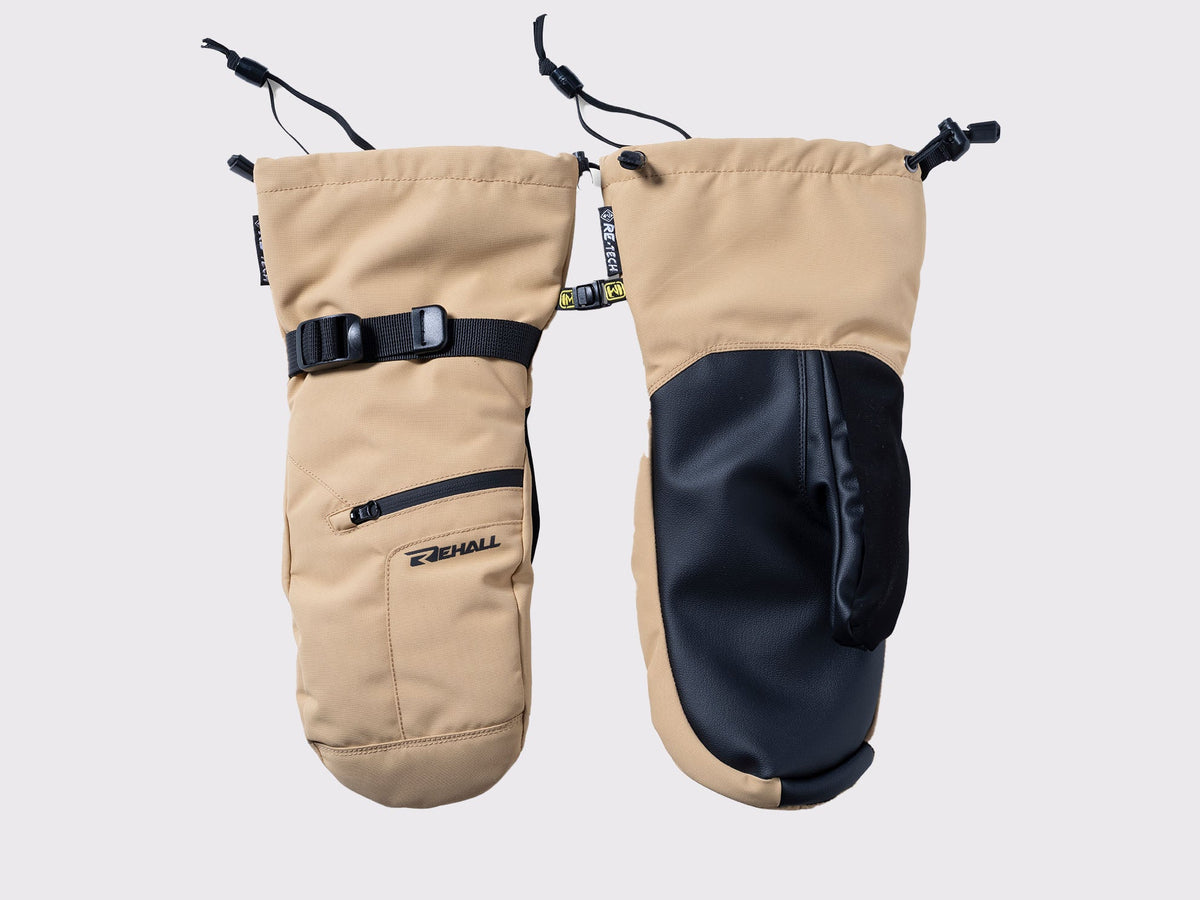
Ski gloves offer more freedom of movement and grip, ideal for those who frequently handle their ski pass or use poles. Ski mittens are warmer because your fingers share body heat, making them perfect for extremely cold days below -10°C. The choice depends on your personal preference and the type of skiing you do.
When choosing, pay attention to three factors: insulation (expressed in g/m²), waterproofing, and fit. For temperatures around freezing, a lighter insulation of 40 to 80 g/m² is sufficient. For -10°C or colder, choose models with 100 g/m² or more. Waterproofing is crucial in wet snow conditions or if you fall frequently. Look for gloves with a waterproof membrane and taped seams.
Gloves vs. mittens: what suits your skiing style?
Gloves are the standard choice for all-round skiers and snowboarders. They provide grip when holding poles, make it easy to grab a ski pass, and offer enough warmth for most conditions. Many modern models have touchscreen-compatible fingertips, which is handy for using your phone on the lift.
Mittens are the better choice in extreme cold or for people with poor circulation in their fingers. Because all fingers (except the thumb) are in one compartment, they share warmth. The downside: less dexterity. For advanced skiers who take on technical routes or need to grab things often, mittens can be restrictive.
Insulation and waterproofing: what should you look for?
Insulation is measured in grams per square meter (g/m²). Gloves with 40 to 80 g/m² are suitable for mild days around freezing. Between 80 and 150 g/m², you're set for most skiing conditions. For temperatures below -10°C, choose 150 g/m² or more.
Waterproofing is recognized by the presence of a membrane and taped seams. A glove without a waterproof membrane will quickly become cold and uncomfortable in wet snow. Always check the size guide before purchasing: a glove that is too tight restricts blood circulation and makes you get cold faster, while a glove that is too loose loses grip and warmth.
Why good goggles make a difference
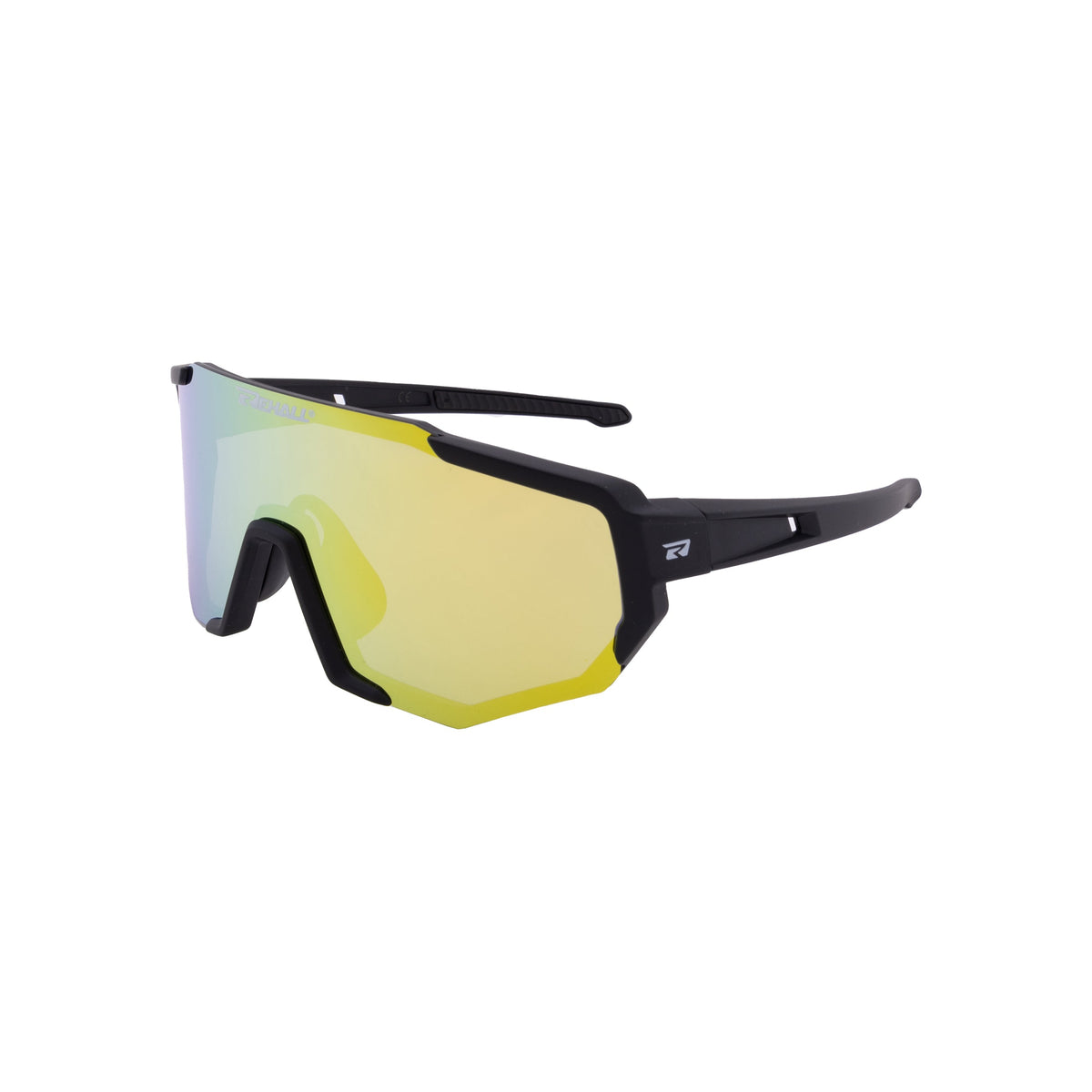
Goggles protect your eyes against UV radiation (up to 100% UV400 protection), snow reflection, and wind. Without good goggles, you risk snow blindness, a painful condition that temporarily severely limits your vision. Additionally, the right lens ensures you see contrasts better, which directly impacts your safety and skiing enjoyment.
Lens color determines the conditions in which you have the best visibility. Dark lenses (gray, brown) filter a lot of light and are ideal for sunny days. Lighter lenses (yellow, orange, pink) enhance contrast in cloudy weather or in the shade. An all-weather lens with a medium VLT (Visible Light Transmission) of around 25 to 50% is the most versatile option.
Anti-fog coating prevents your goggles from fogging up during physical exertion. Also, make sure your goggles fit well with your helmet (if you wear one) or hat. At Rehall, you will also find stylish sunglasses suitable for bright days on the slopes or in the village after skiing.
Hats and headwear: staying warm on the slopes
A good hat prevents you from losing up to 30% of your body heat through your head. For skiers, beanies are the most popular choice: they are compact, fit well under a helmet, and offer sufficient insulation without too much bulk. Pay attention to the material: wool and fleece insulate even when damp, while synthetic materials dry faster after a day of intense skiing.
The fit makes a difference. A hat that is too loose insulates less effectively and can shift under your helmet. Choose a model that fits snugly but comfortably around your ears and forehead. Rehall offers beanies in various styles that match the rest of your ski outfit.
Practical accessories: belts, backpacks, and maintenance
Why a good belt or suspenders are essential
A belt or suspenders keep your ski pants firmly in place, even during intense movements like deep knee bends or jumping. Suspenders distribute weight evenly over your shoulders, which is more comfortable for longer ski days. Belts are more compact and easier to adjust. Choose what best suits your men's ski suit and personal preference.
The right backpack for day trips and ski passes
For an average day on the slopes, a 25-liter backpack is sufficient. It fits your lunch, an extra layer of clothing, your ski pass, and personal items. Are you going off-piste or doing longer tours? A 30-liter backpack provides enough space for safety equipment and extra layers. Pay attention to a good carry and belt system so that the backpack sits stably while skiing.
Maintenance with GoDry water-repellent spray
The water repellency of your ski accessories decreases over time due to wear, dirt, and washing. With the GoDry water-repellent spray from Rehall, you restore the water-repellent layer of gloves, backpacks, and other textile accessories. Re-spray your items every 5 to 10 ski days for optimal protection. This extends the lifespan and keeps your accessories functional.
How to combine accessories with your ski outfit?
Start with your outer layer and work outward. Rehall jackets do not have traditional cuffs but Velcro straps. Choose gloves with cuffs that connect to these so that no opening is created where snow can enter. Check that your goggles fit comfortably with your helmet or hat, without pressure points or gaps where cold air gets in.
For a complete set, you need at least: gloves, goggles, a hat, and a belt or suspenders. On colder days, add extra insulating layers. Are you looking for the right clothing in addition to accessories? Check out the ski suits for a complete outfit, or take a look at the women's ski accessories if you are also shopping for your partner.
Color coordination completes your look. Choose accessories in the same color family as your jacket and pants, or go for an intentional contrast. Rehall offers accessories in colors that match the jacket and pant collections.
Sustainability and materials in Rehall accessories
Rehall uses recycled materials where possible, such as 100% recycled polyester. This reduces the ecological footprint without compromising on functionality or durability. Recycled polyester performs just as well as virgin polyester in terms of insulation and waterproofing.
For a longer lifespan for your accessories: wash gloves and hats at 30°C, let them air dry, and treat them regularly with water-repellent spray. Store your accessories clean and dry at the end of the season. This prevents mold and preserves the technical properties. Are you investing in waterproof ski clothing from the DXR collection? Then proper maintenance of your accessories is just as important to keep everything dry and functional.
Frequently asked questions about men's ski accessories
What are the minimum ski accessories you need?
As a minimum, you need ski gloves, goggles, and a hat. These three protect you against cold, UV radiation, and wind. A belt or suspenders and a small backpack make your ski day more complete and comfortable.
How do I determine the right size for ski gloves?
Measure the circumference of your hand at the knuckles (without the thumb) with a measuring tape. Compare this number with the Rehall size guide on the product page. When in doubt, order a size larger: gloves that are too tight restrict blood circulation and cool down faster.
What is the difference between goggles and sunglasses on the slopes?
Goggles fit completely to your face, protect against wind, snow, and UV radiation from all sides, and have anti-fog coating. Sunglasses offer less protection against wind and peripheral light, but are perfectly fine for sunny days on the terrace or light piste conditions.
How often should I waterproof my accessories?
Treat gloves and backpacks with water-repellent spray every 5 to 10 ski days, or sooner if you notice that water no longer beads off the material. After washing, re-waterproofing is always necessary.
Can I use the same accessories for skiing and snowboarding?
Yes, most ski accessories such as gloves, hats, goggles, and backpacks are suitable for both sports. Snowboarders sometimes consciously choose mittens for the extra warmth, as they do not hold poles and do not need as much finger dexterity.
Do Rehall accessories fit clothing from other brands?
Yes, Rehall accessories are universally applicable. However, pay attention to the connection with the cuffs of your jacket: Rehall jackets work with Velcro strips instead of traditional cuffs, so check if your gloves connect well to these.