


Men
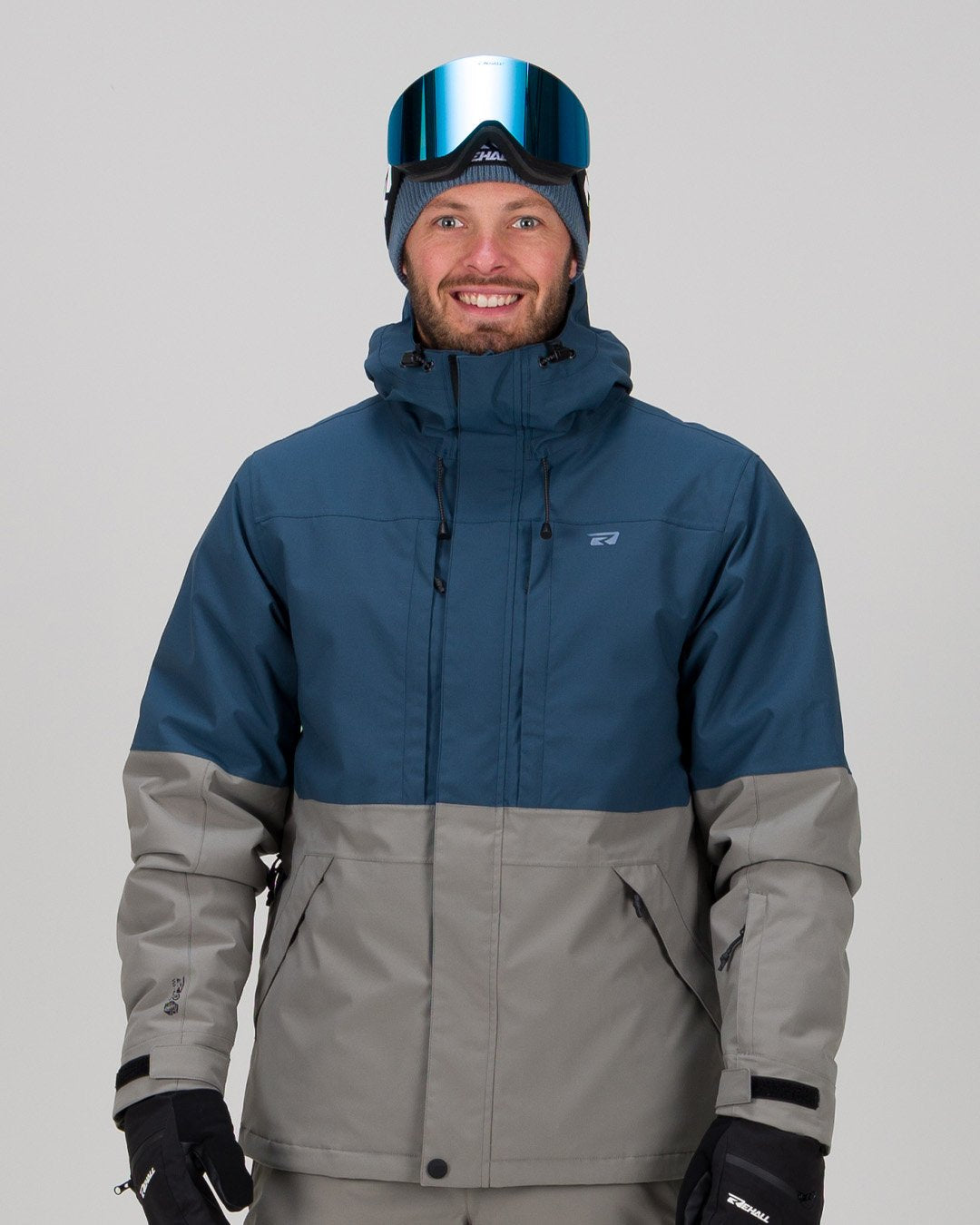


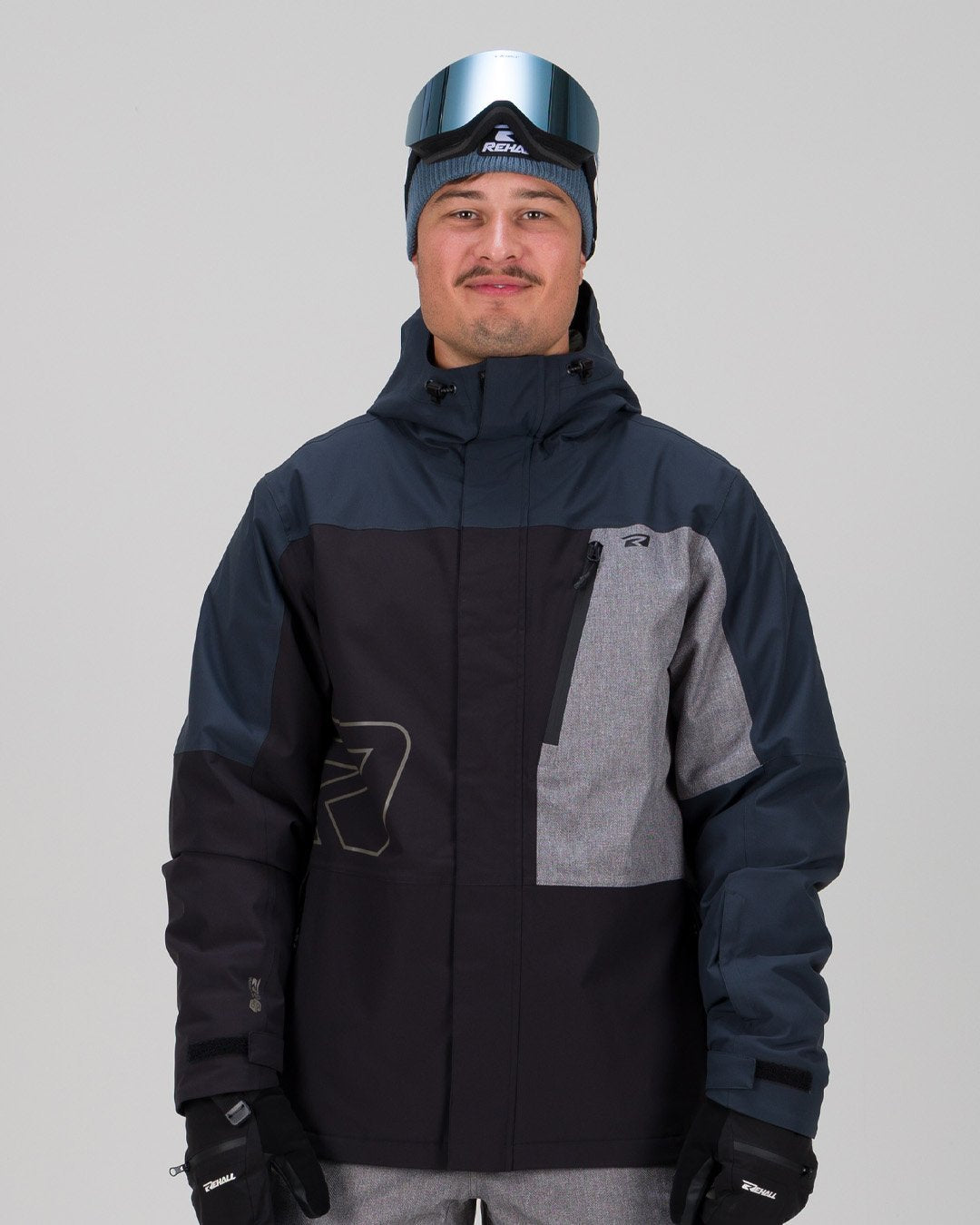


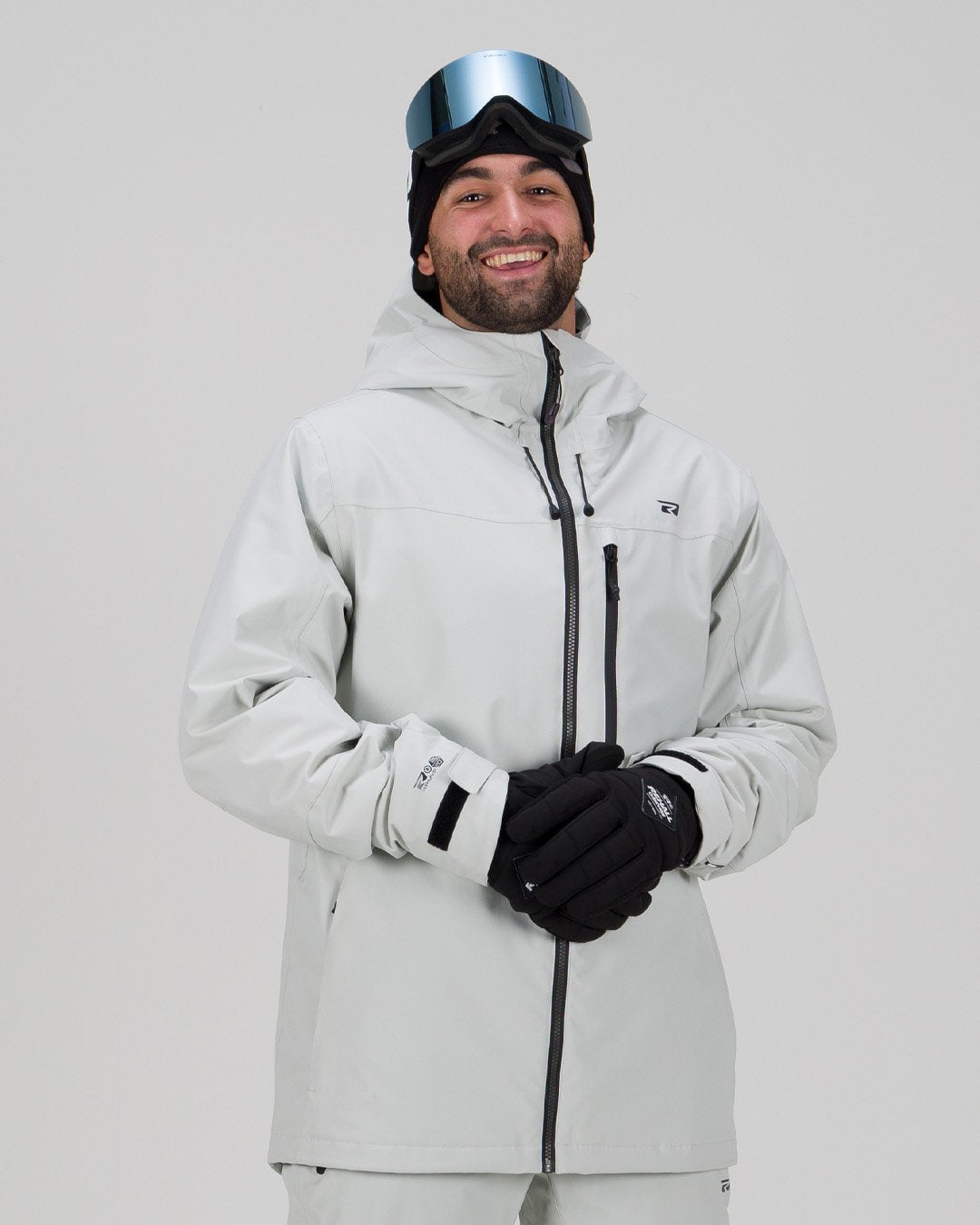


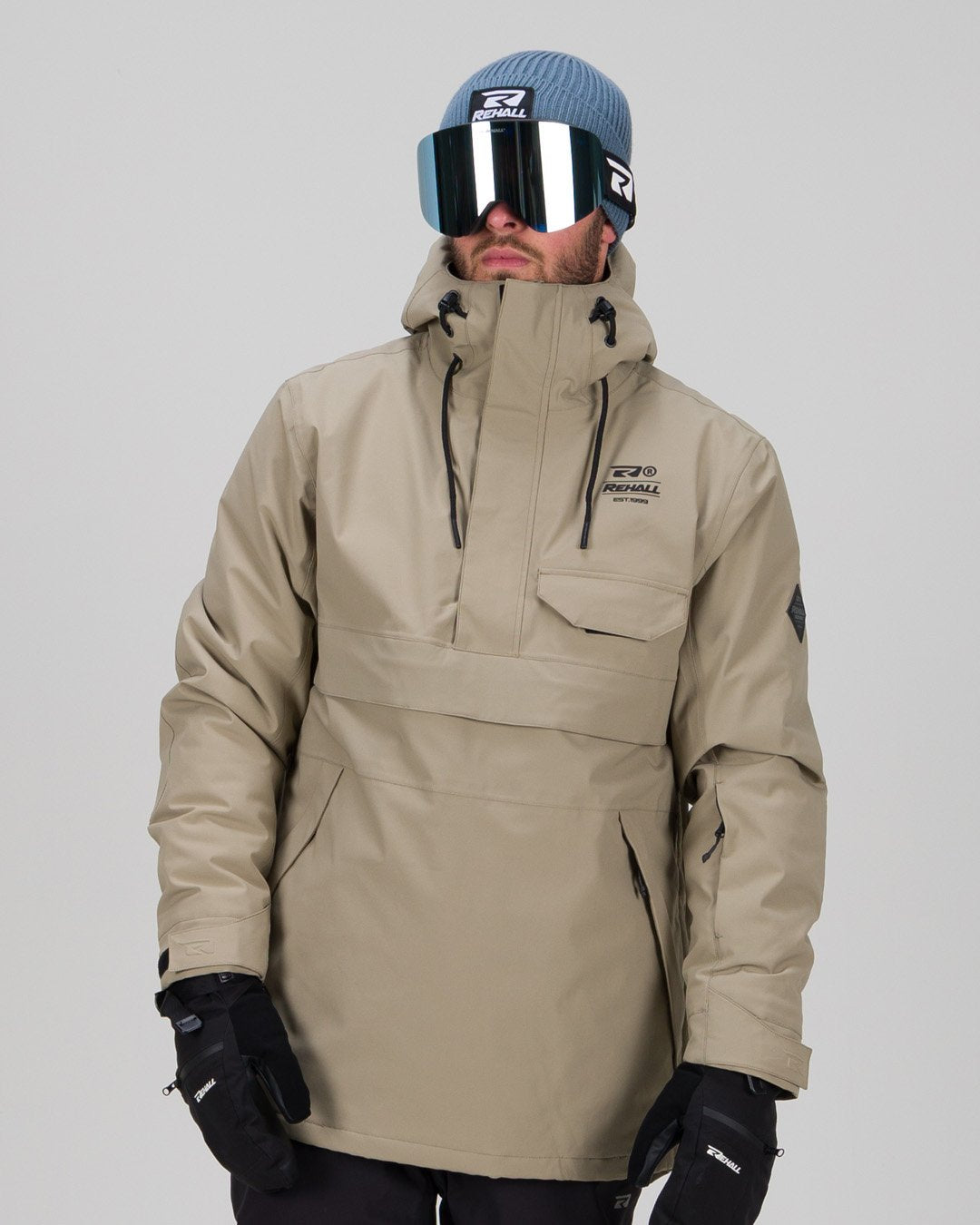


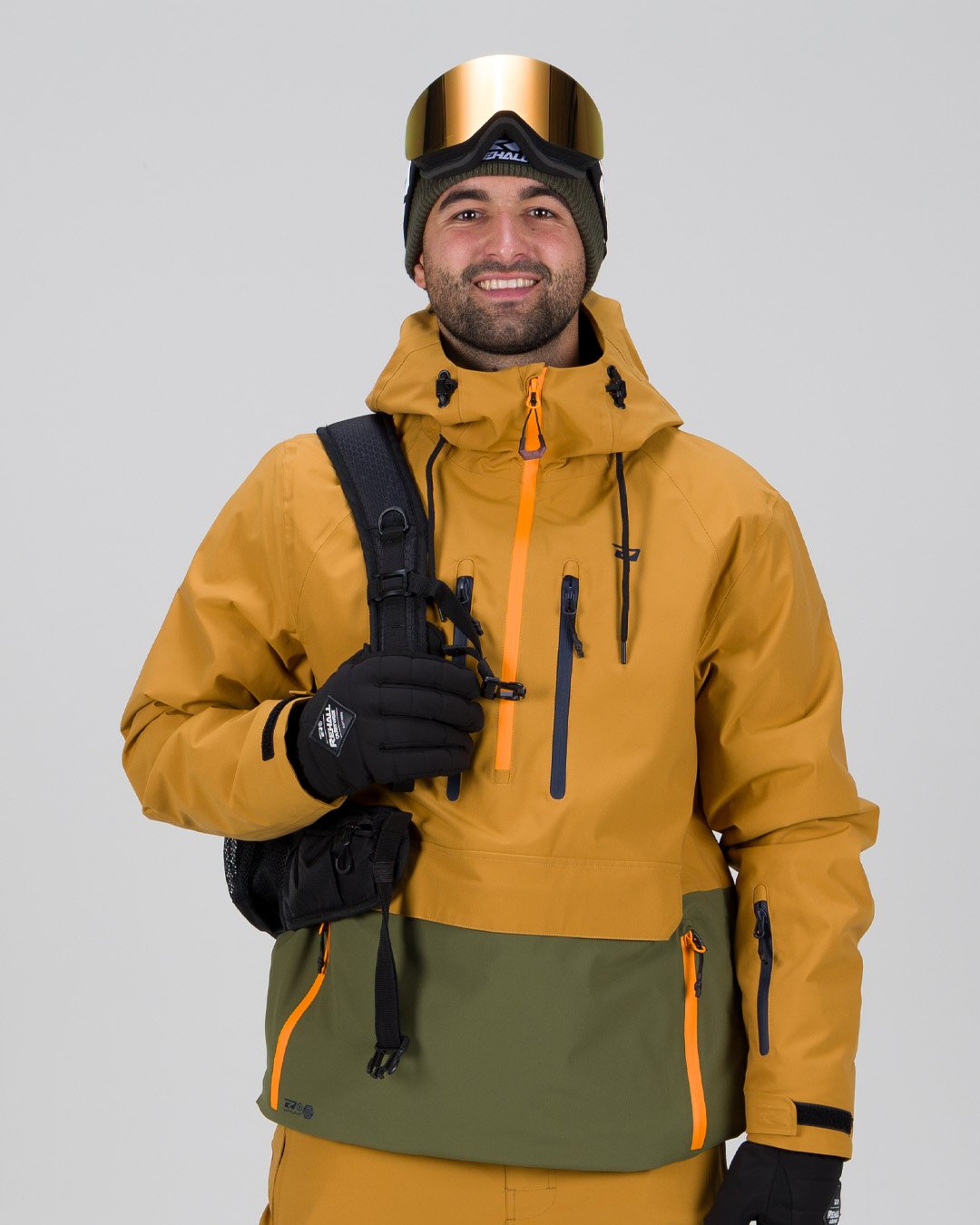

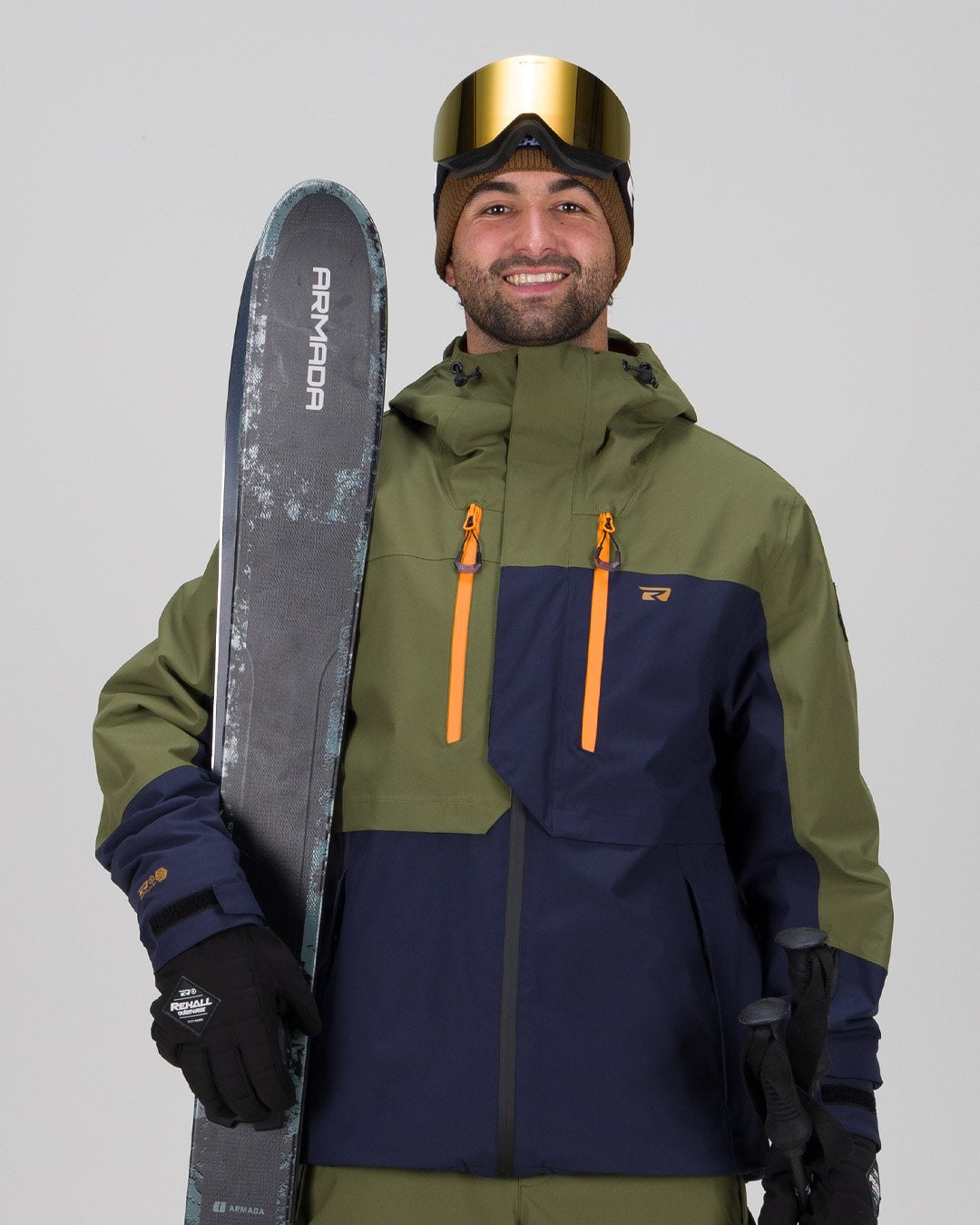


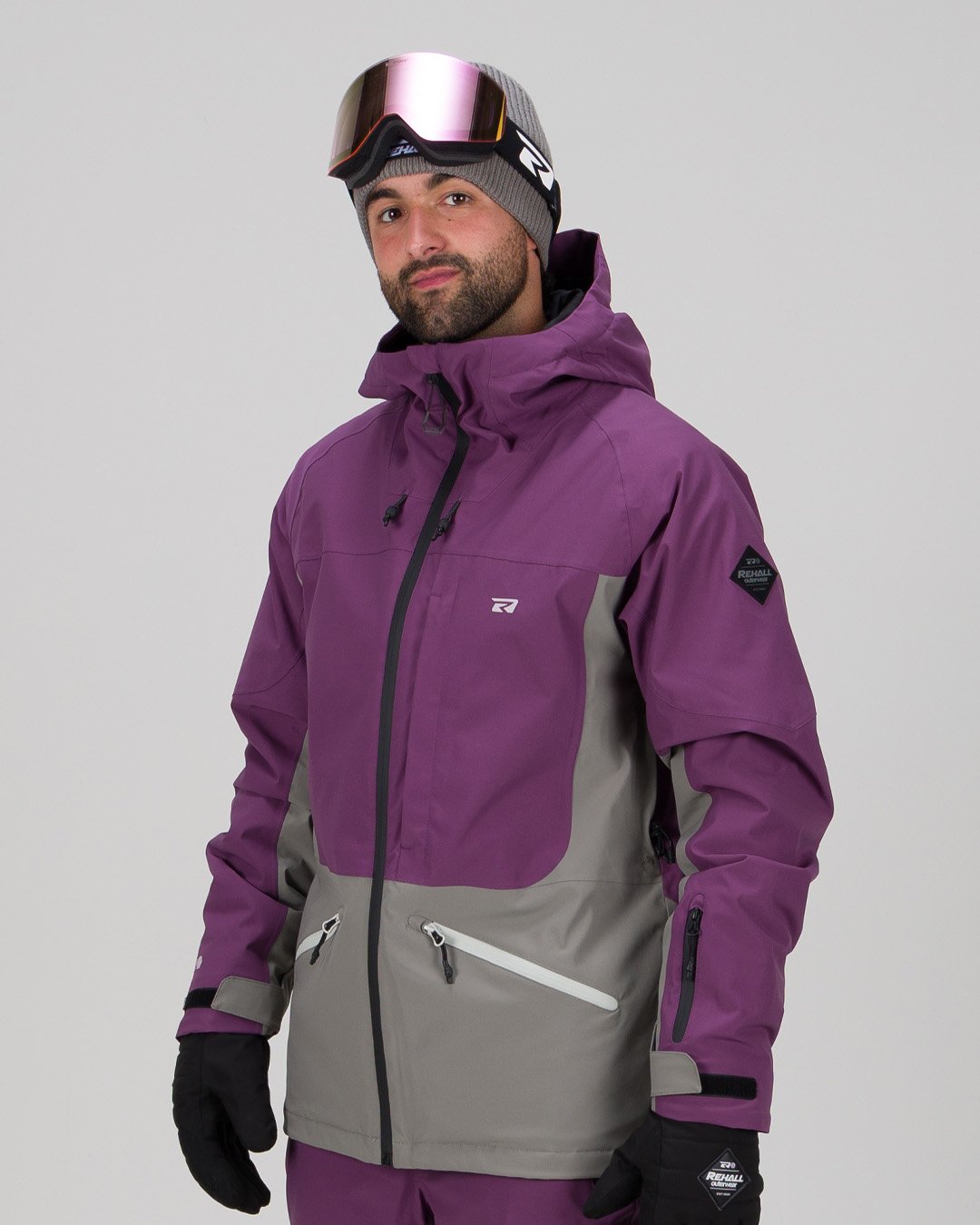


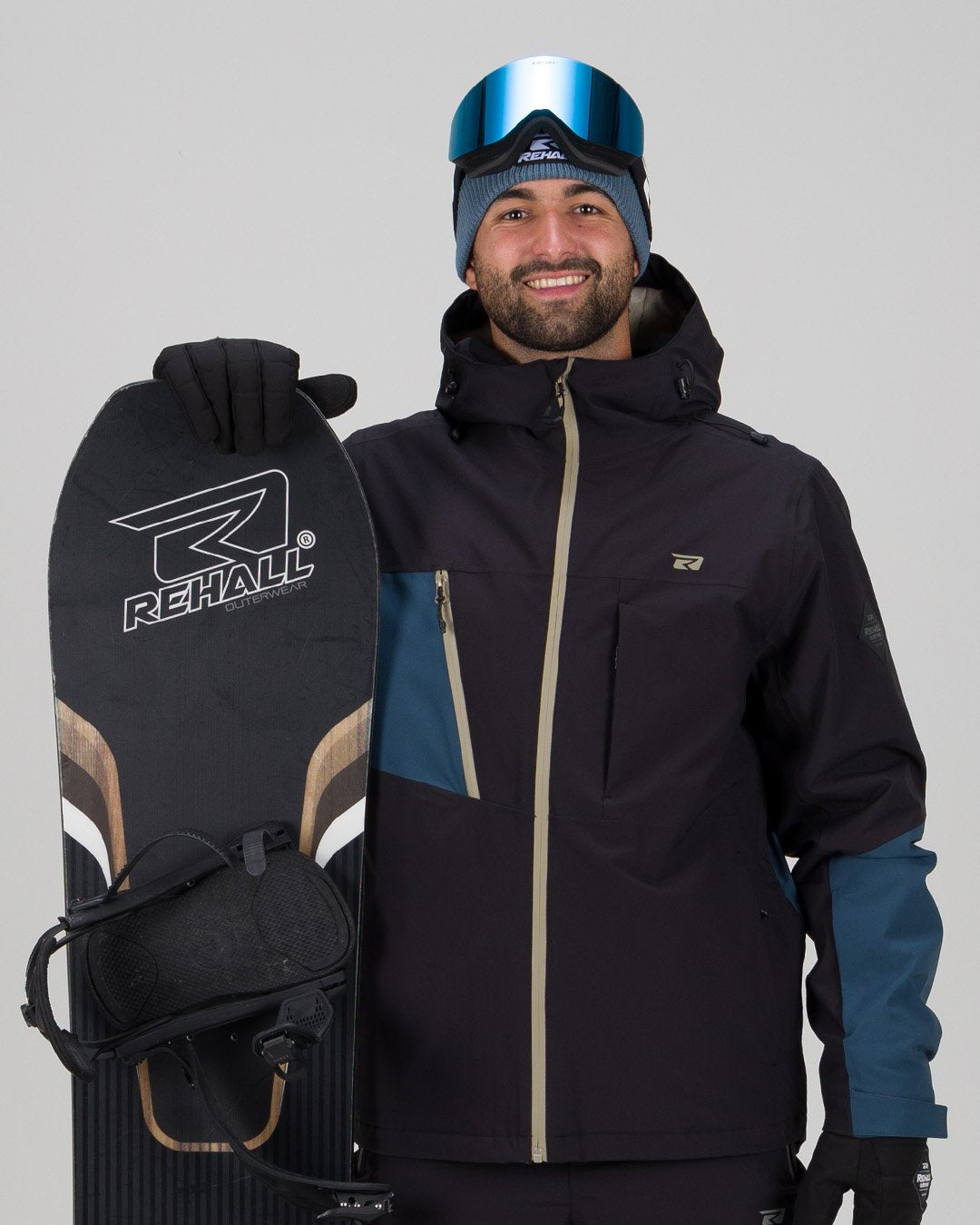


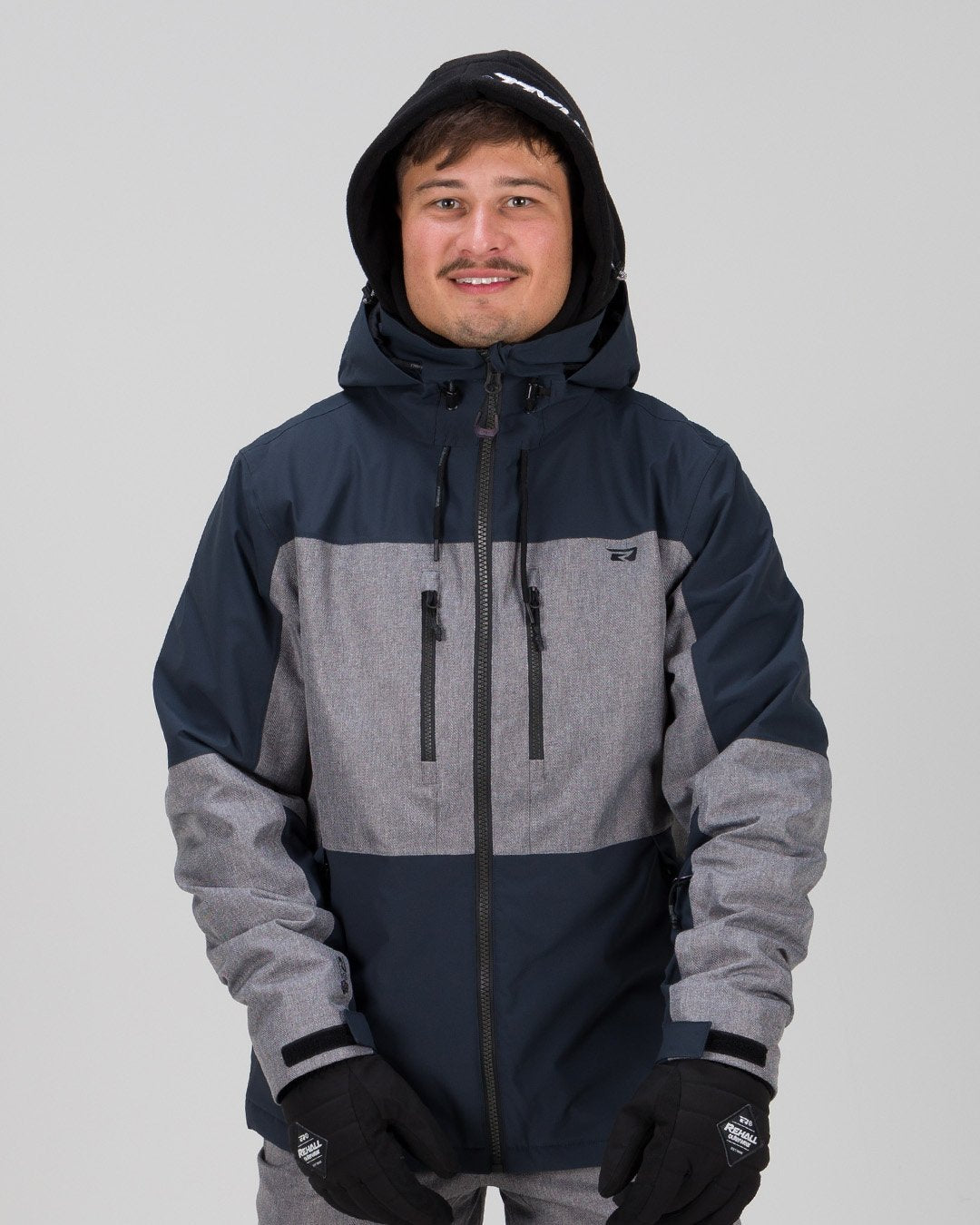


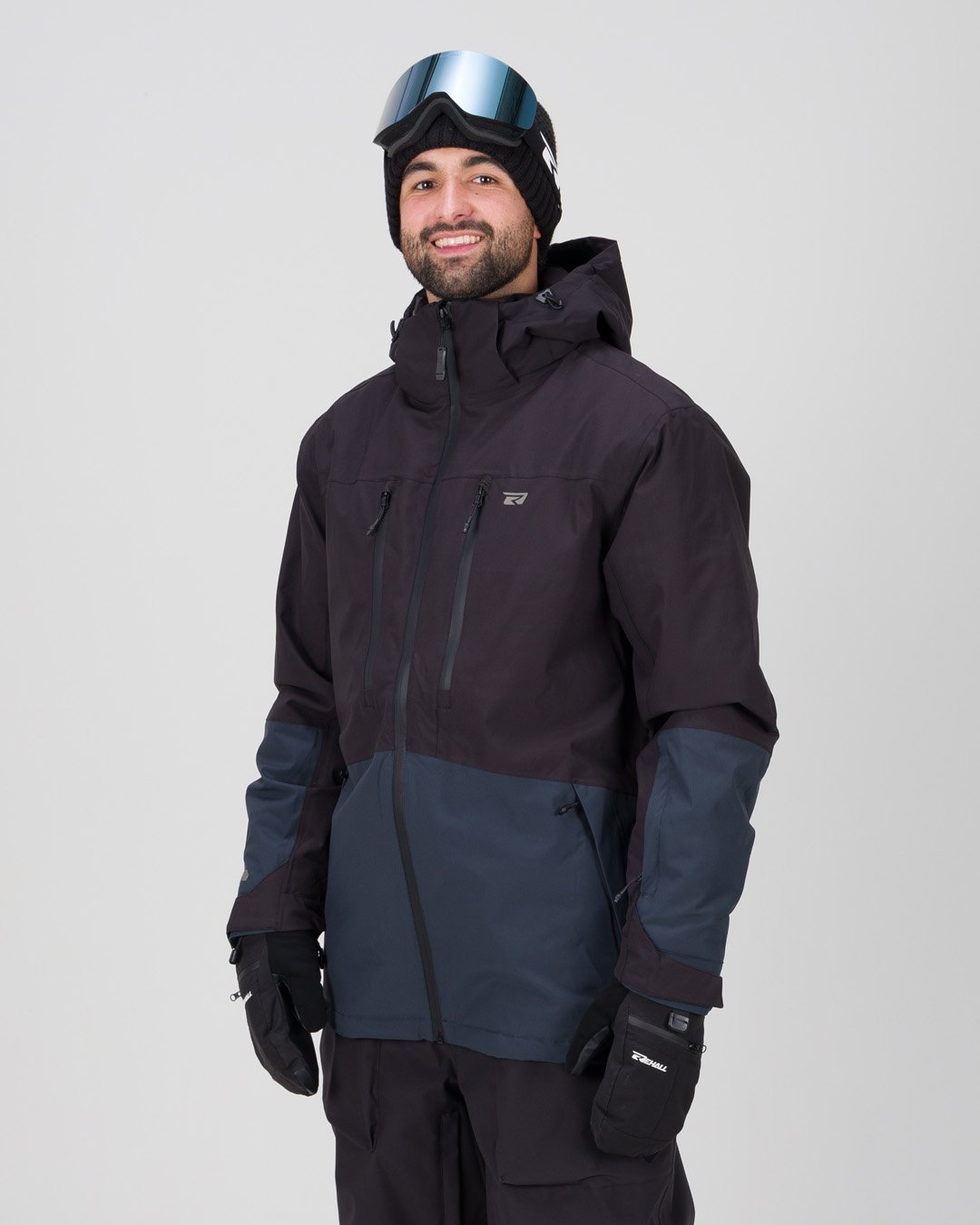


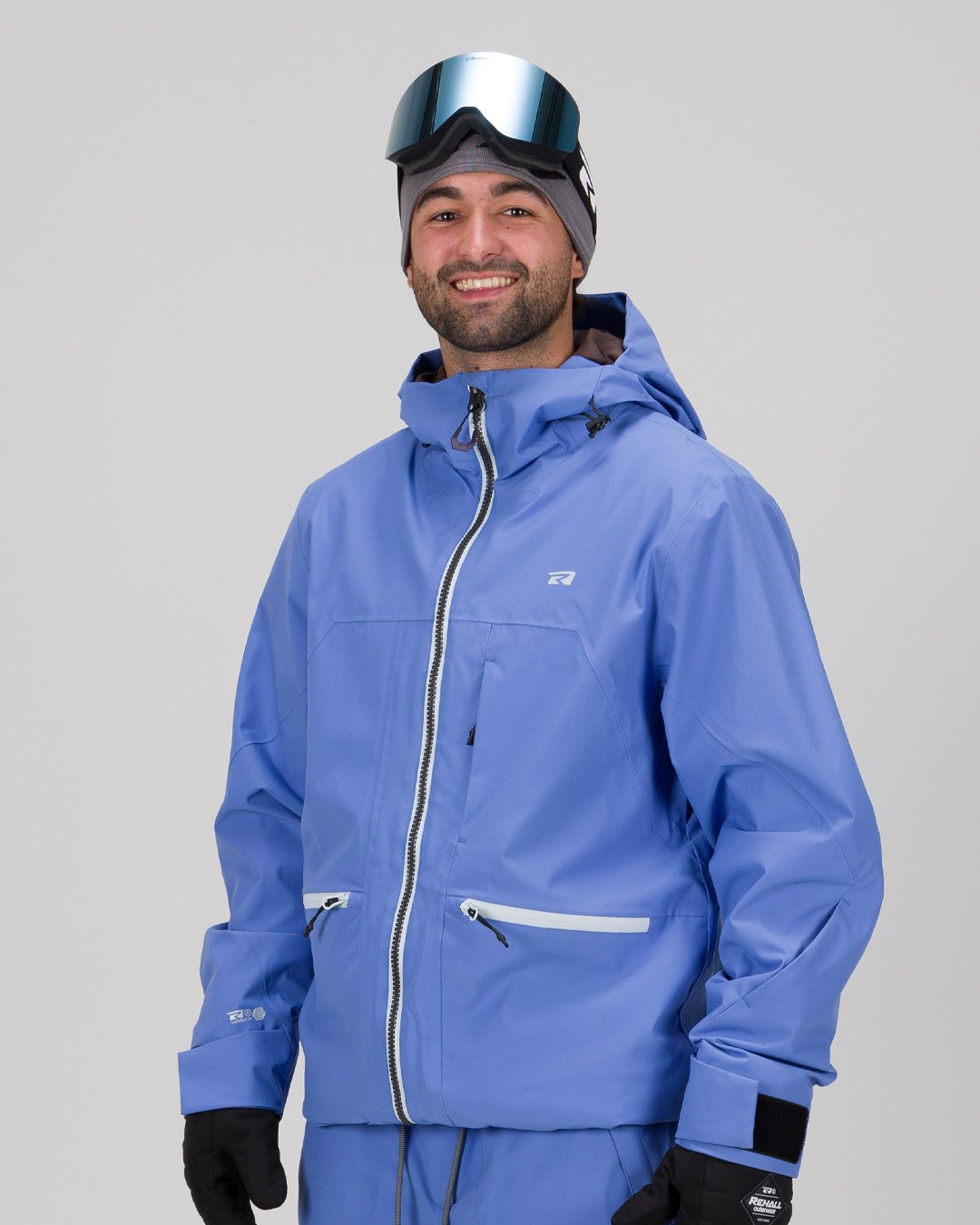


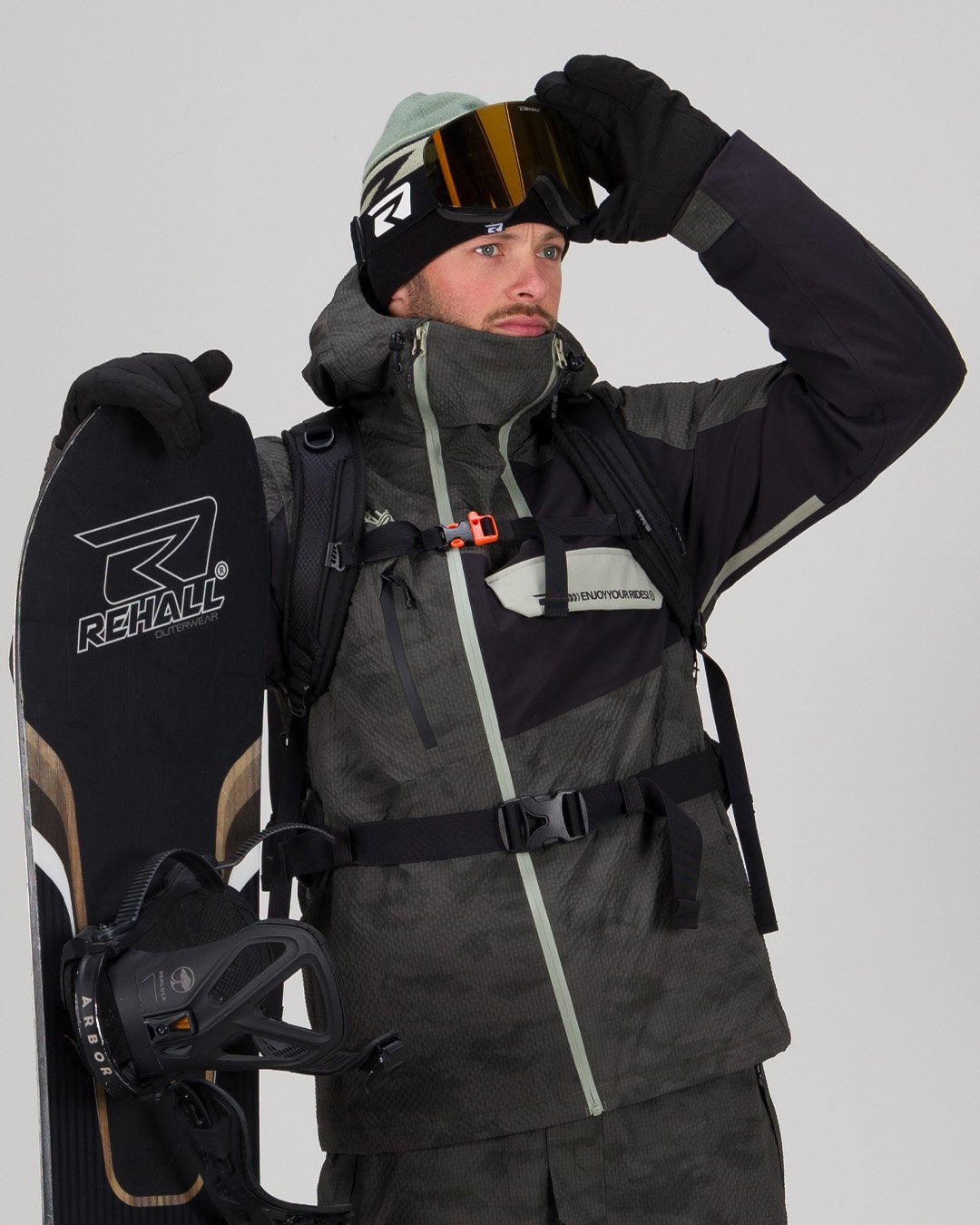


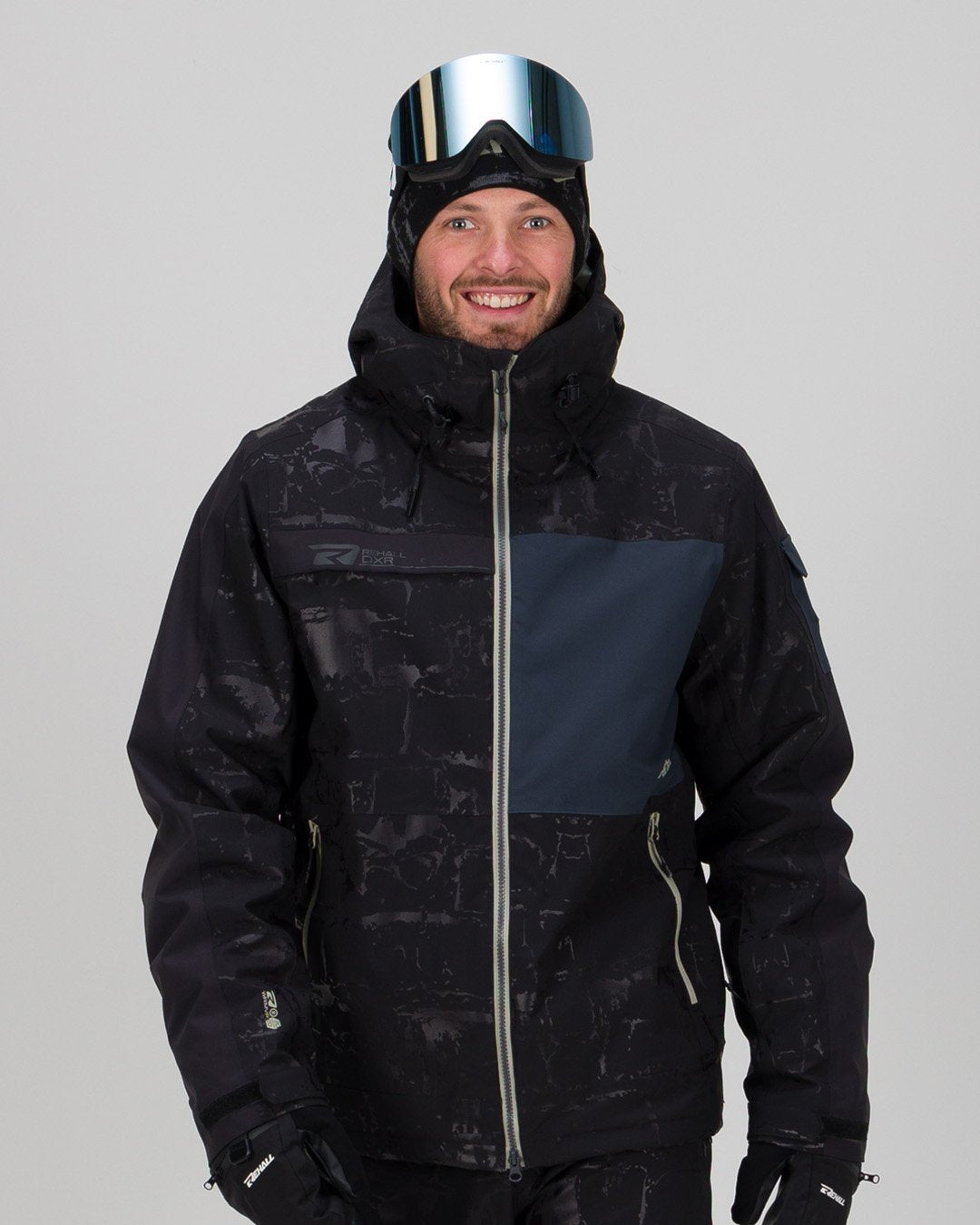


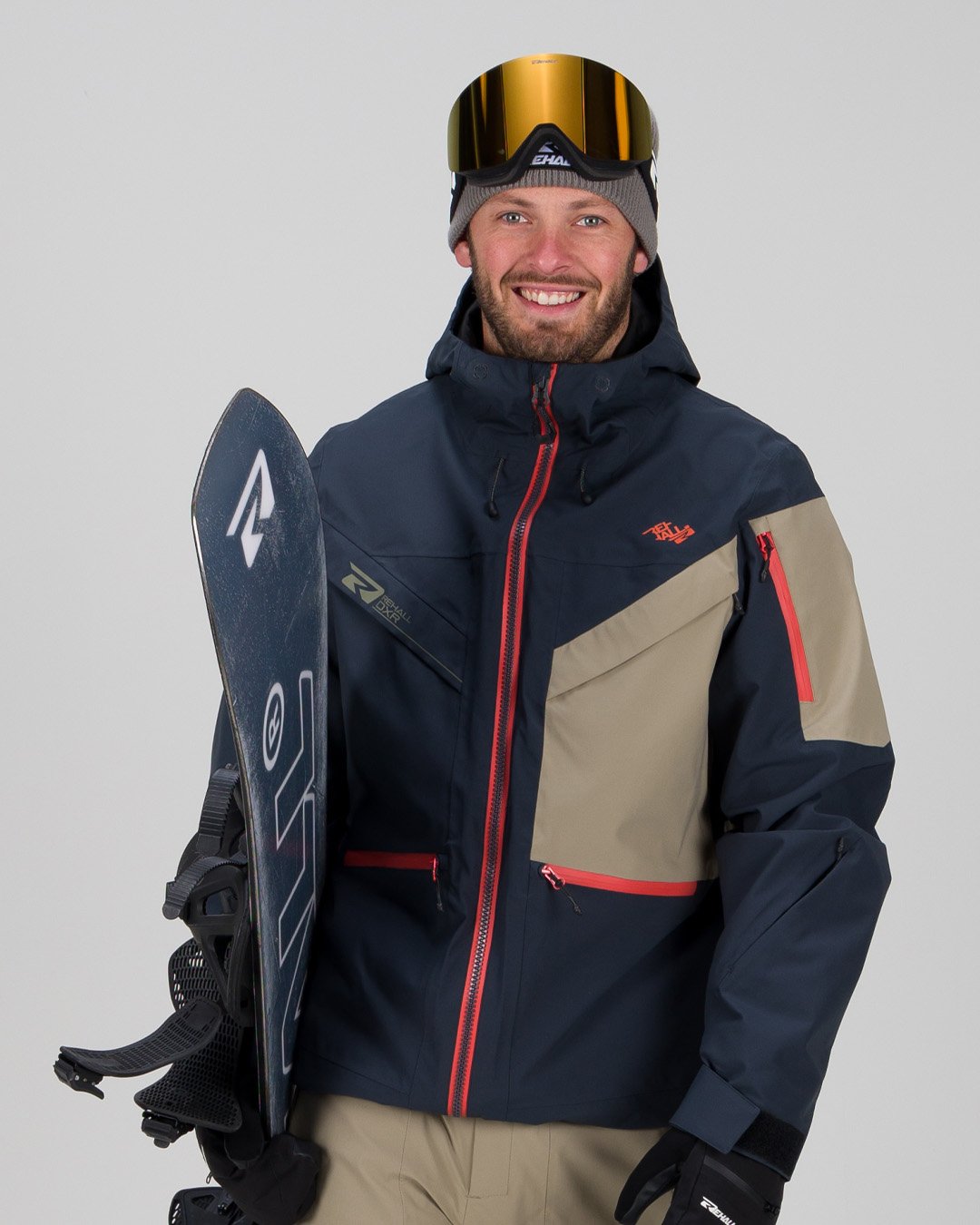


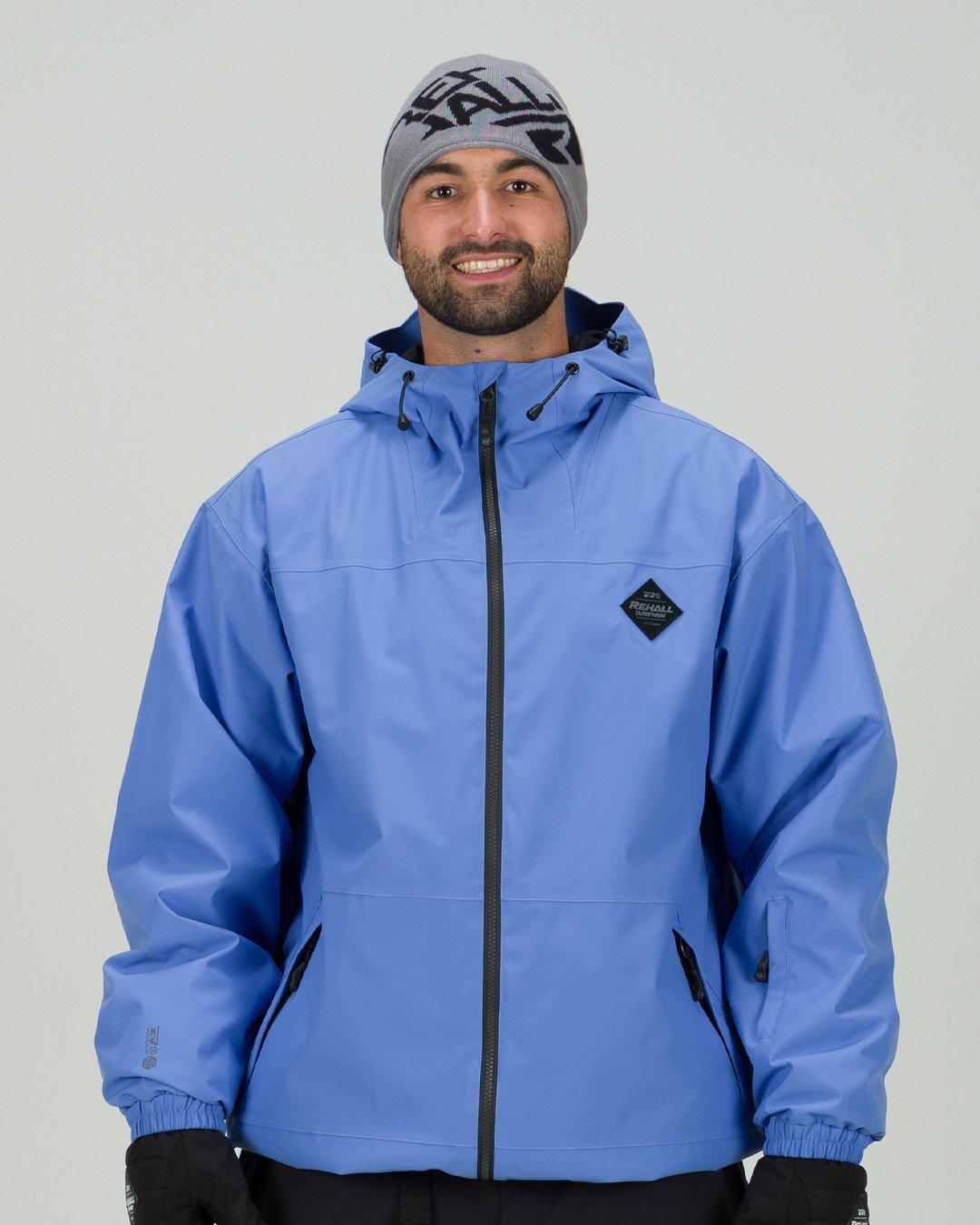


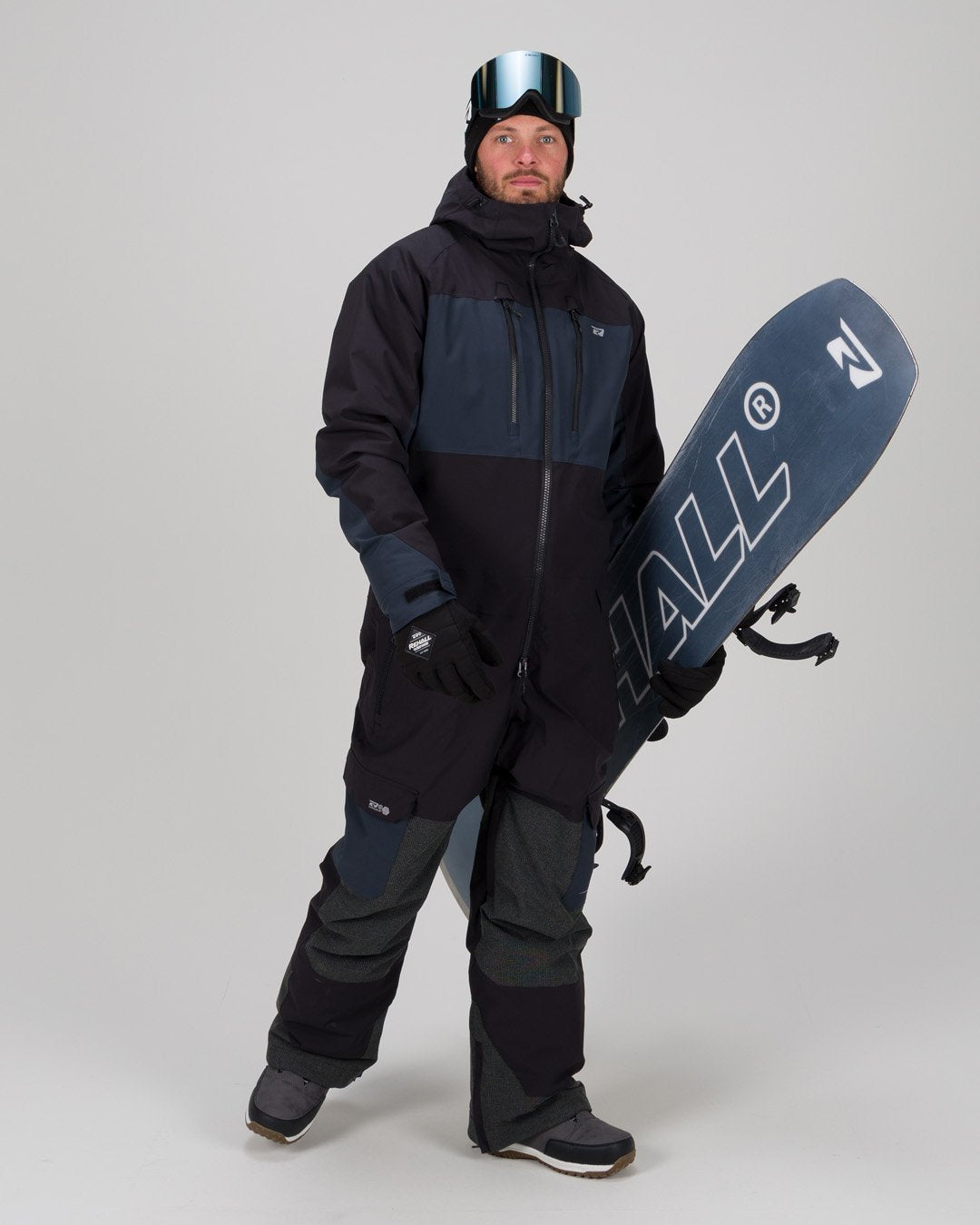


























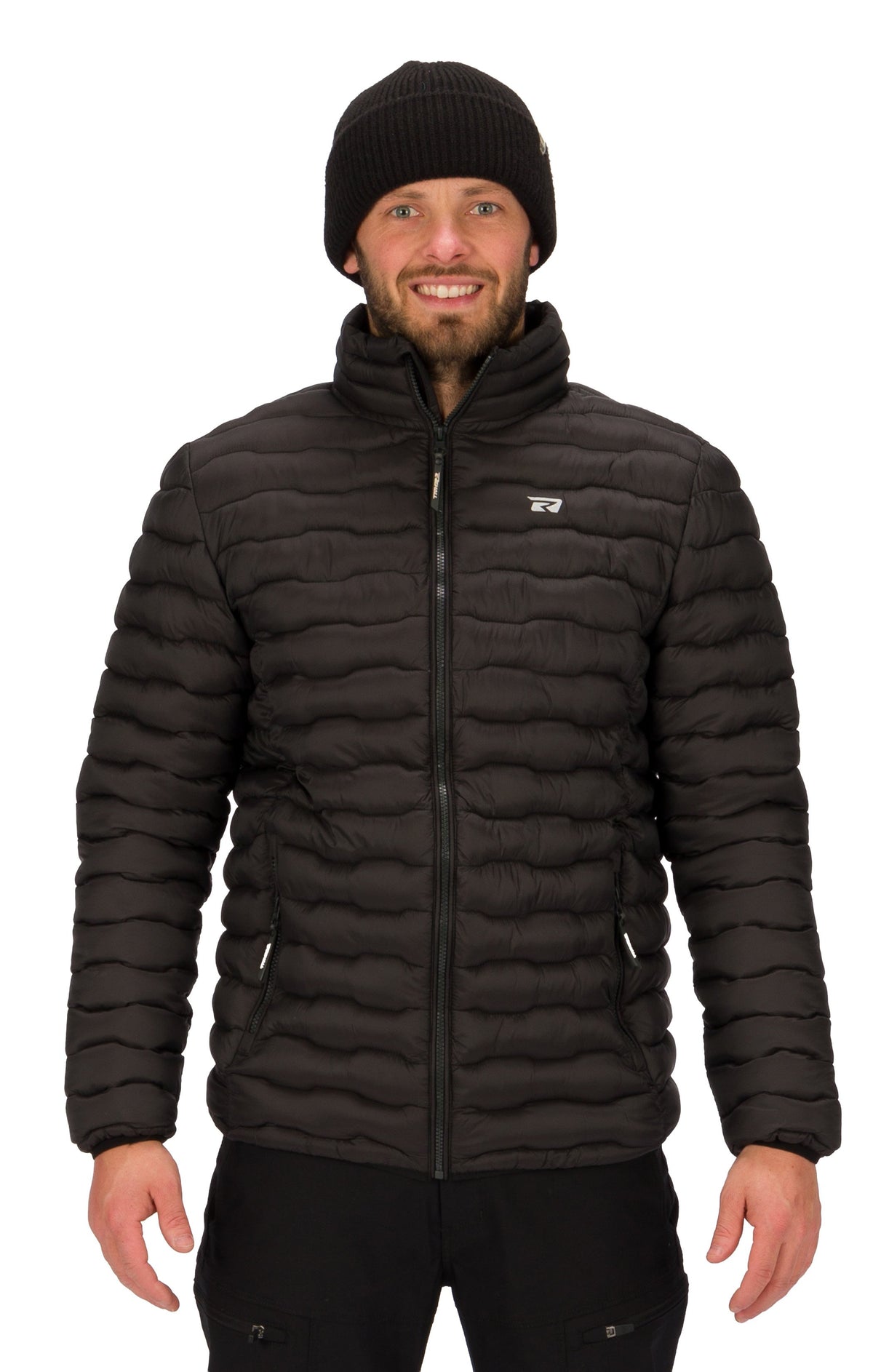


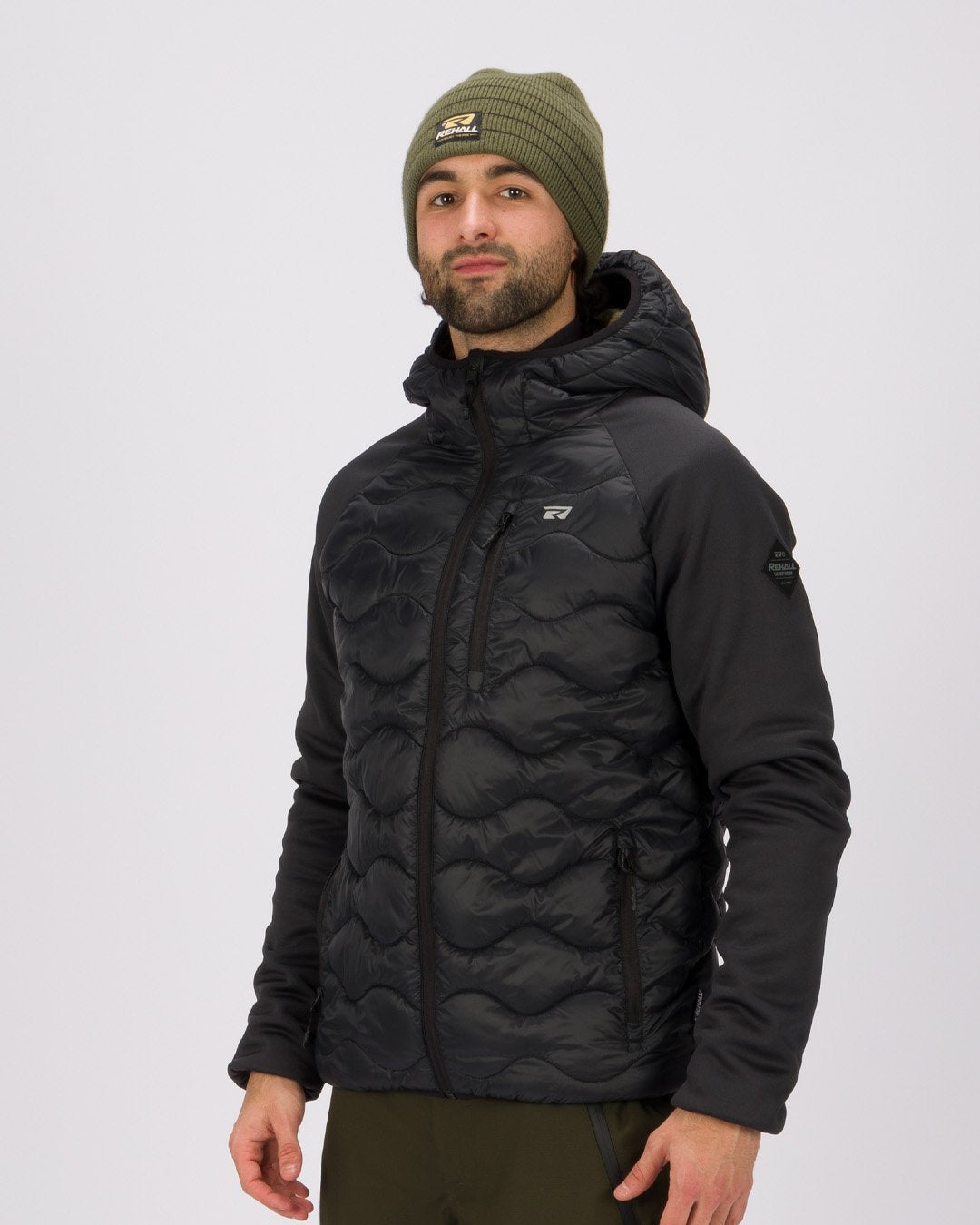


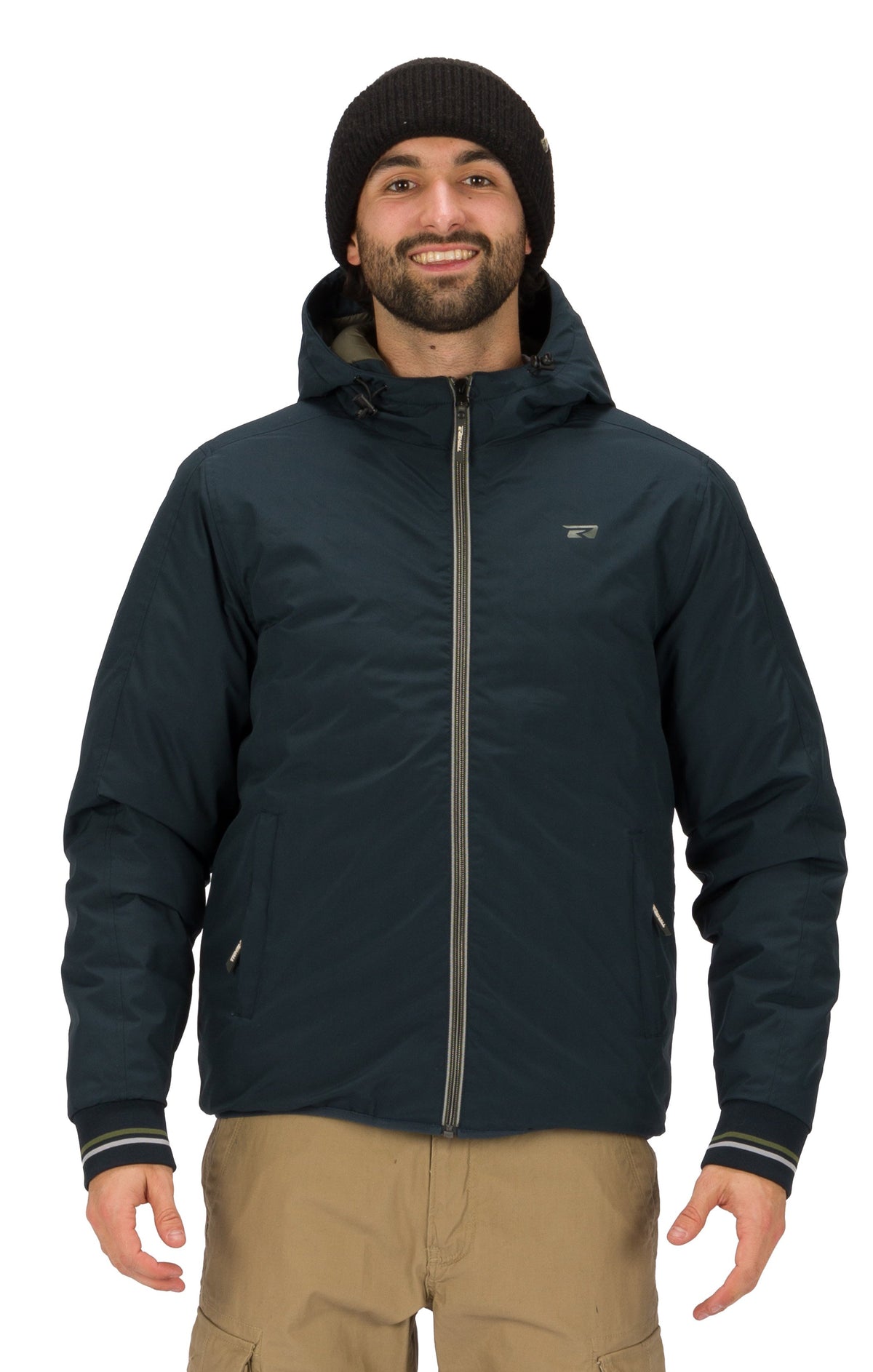

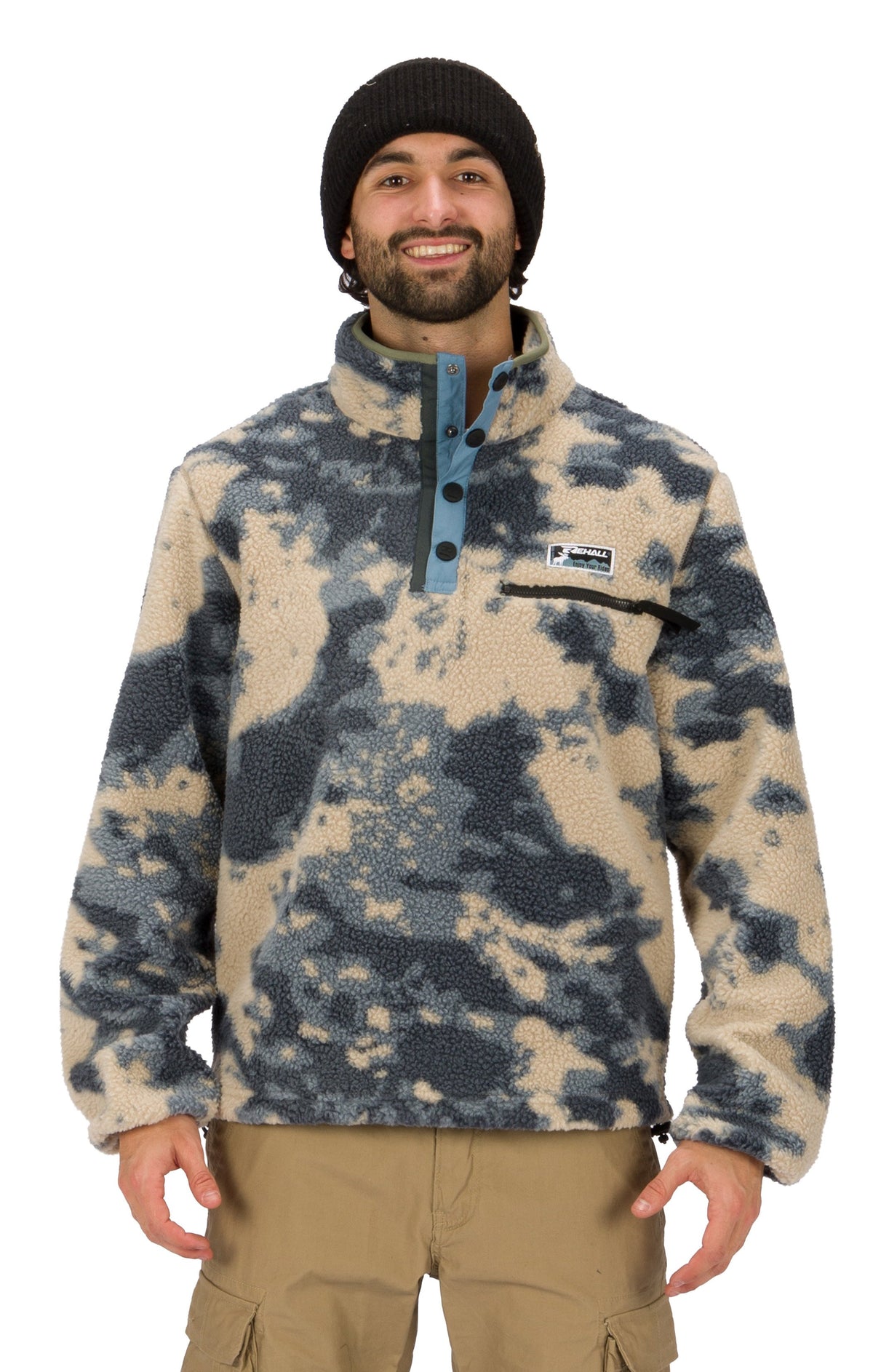
























How to choose the right men's ski clothing?
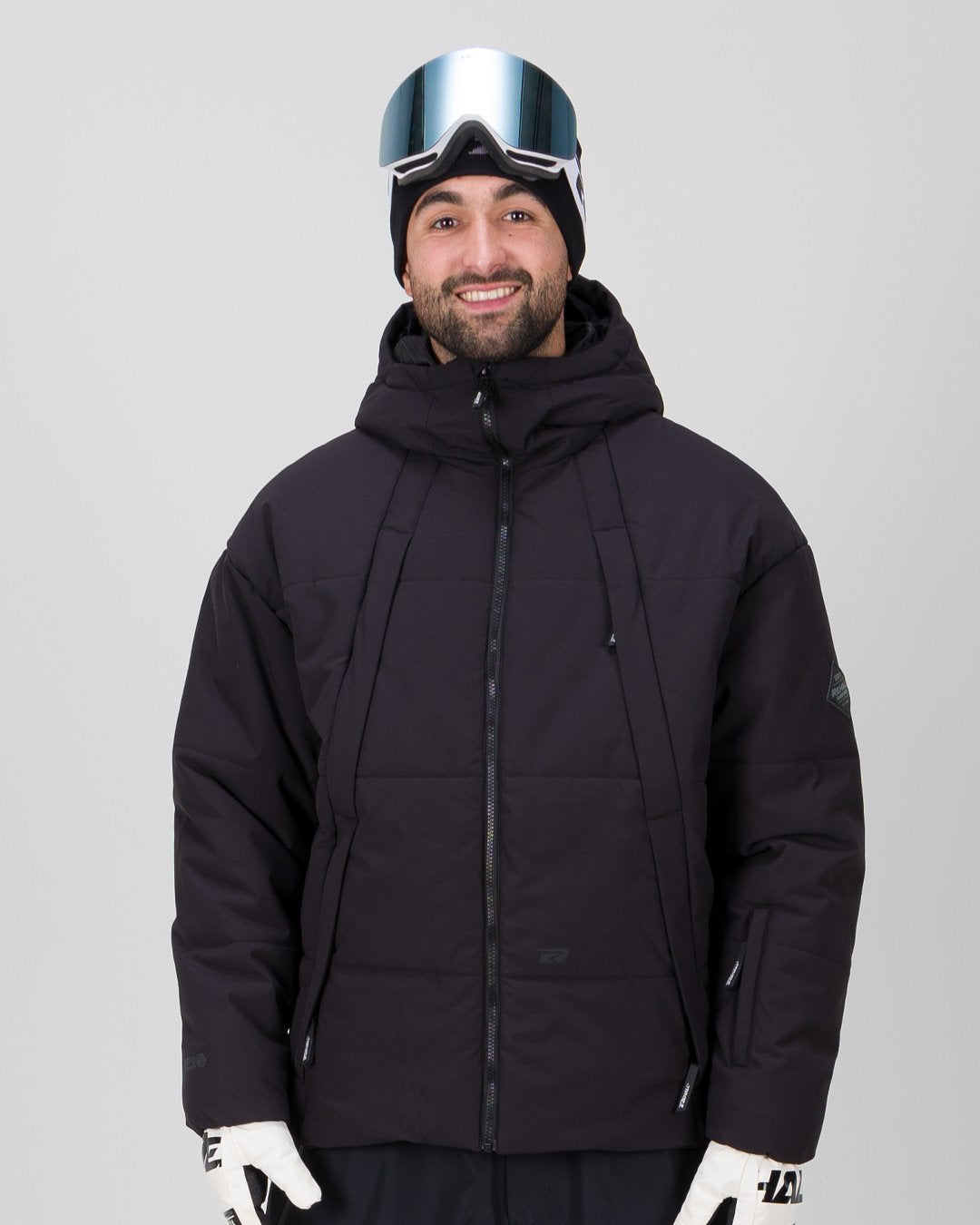
You choose the right men's ski clothing based on three main criteria: waterproofness, insulation value, and fit. Each criterion directly influences your comfort and performance on the slopes. A ski jacket that cannot withstand sufficient water pressure will let you down during snowfall, while too much insulation will make you sweat while skiing. And a fit that does not match your style will make you feel uncomfortable on the mountain. Below, we explain each criterion concretely so you know exactly what to look for.
Waterproofness and water column
The water column indicates how many millimeters of water pressure a material can resist before moisture penetrates. At 5,000 mm, you stay dry during light snowfall and on artificial snow slopes. For a ski holiday in the Alps, you need at least 10,000 mm, which is standard in many Rehall ski jackets. Those who regularly go off-piste or ski in wet snow should choose the DXR collection with a water column of 15,000 to 20,000 mm. With men's DXR ski jackets, the seams are fully taped, so water has no chance of getting through via stitching. Water column alone says nothing about breathability: therefore, always check the full material composition on the product page.
Insulation and warmth
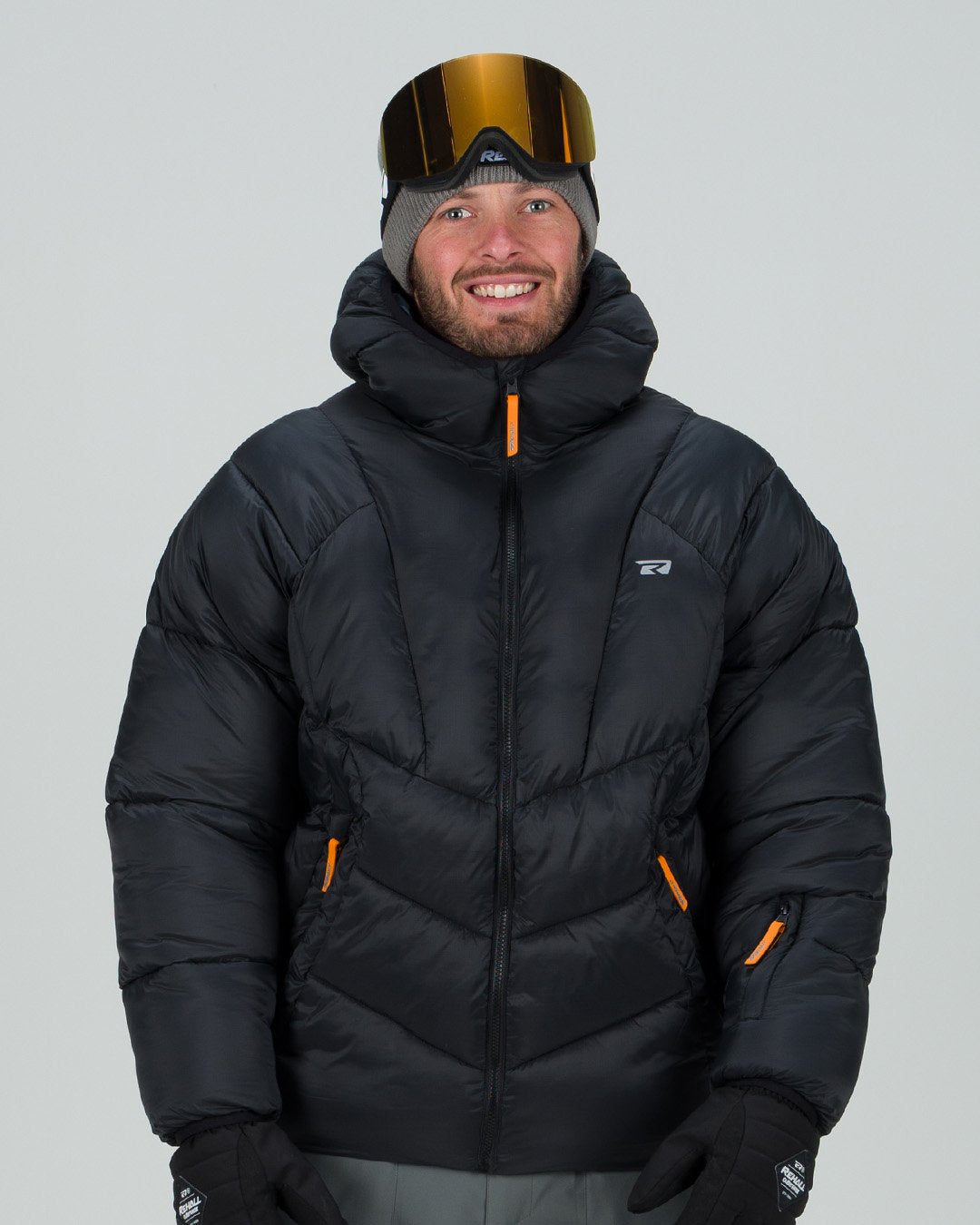
Insulation is measured in grams per square meter (gr/m²). A standard ski jacket has 60 to 80 gr/m² of insulation, suitable for active skiing at temperatures between -5°C and -15°C. Combine such a jacket with a good midlayer and thermal underwear, and you will stay comfortably warm on the slopes. Jackets with 200 to 260 gr/m² of insulation are not regular ski jackets but thick puffer jackets, intended for extreme cold below -20°C or static moments such as waiting at the ski lift. Most Rehall ski jackets are in the 60 to 80 gr/m² category: warm enough for comfort, light enough not to overheat while descending.
Fit: regular fit or baggy
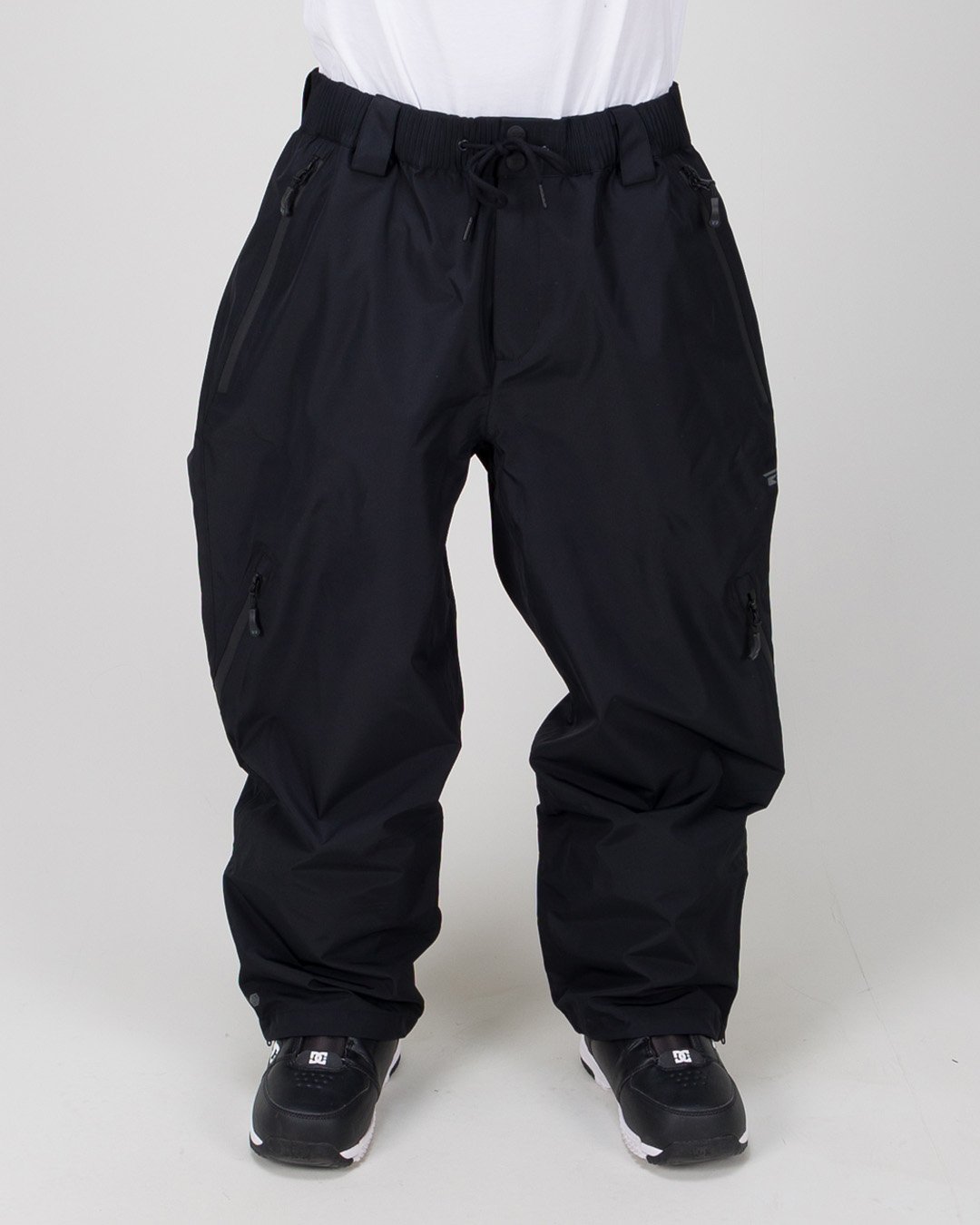
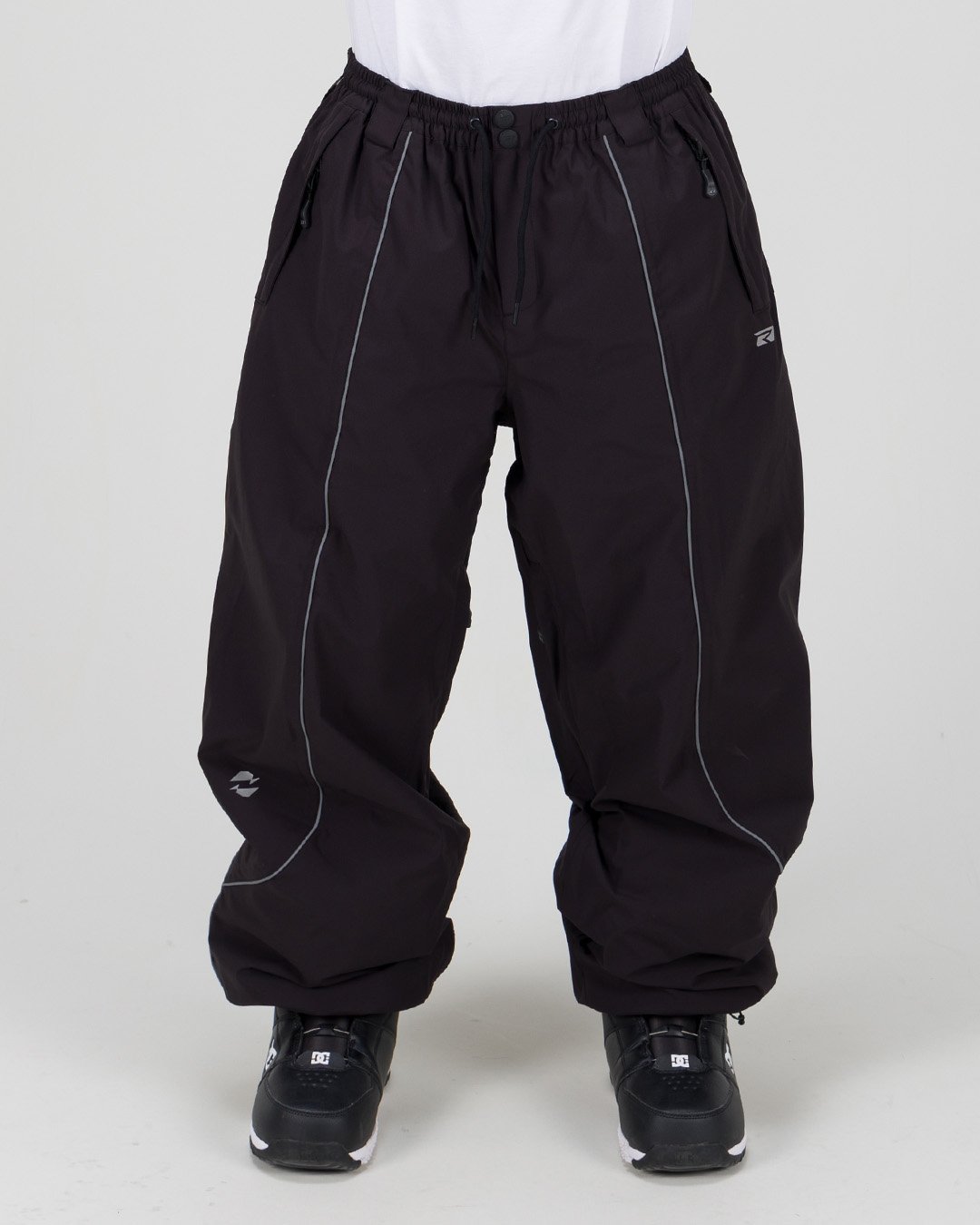
Regular fit ski clothing sits closer to the body. You have a sporty, aerodynamic fit with adjustable details and stretch in the fabric. This is the choice for fast skiers who do not want flapping fabric. Baggy fit provides a looser cut with more freedom of movement and a relaxed streetwear look. Rehall's baggy collection delivers the same technical specs as the regular fit models, including waterproofness, breathability, and snow gaiters. So, you don't compromise on functionality. Check out the unisex baggy ski pants for the complete overview of available models and colors.
Which men's ski jacket suits your skiing style?
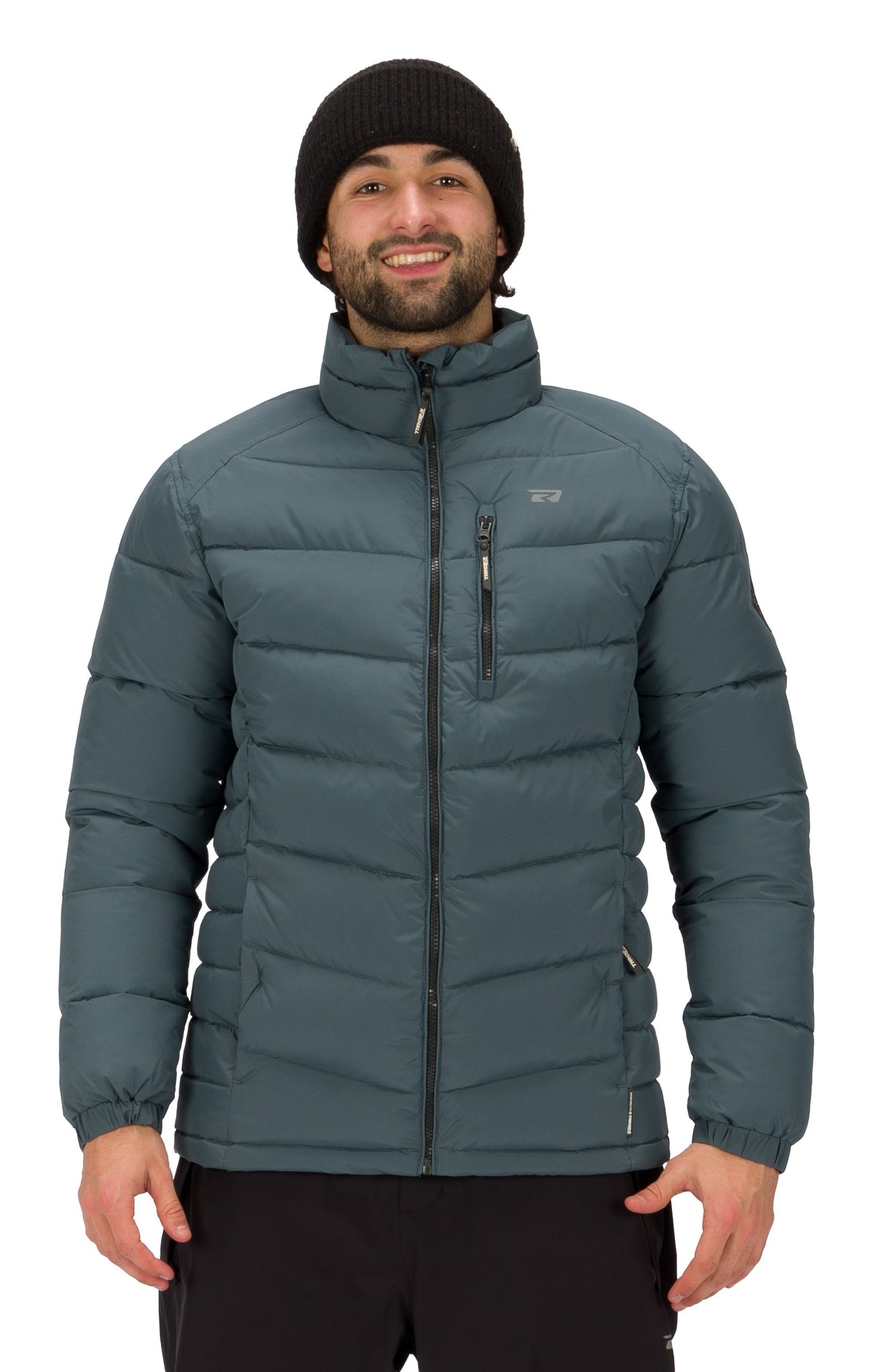
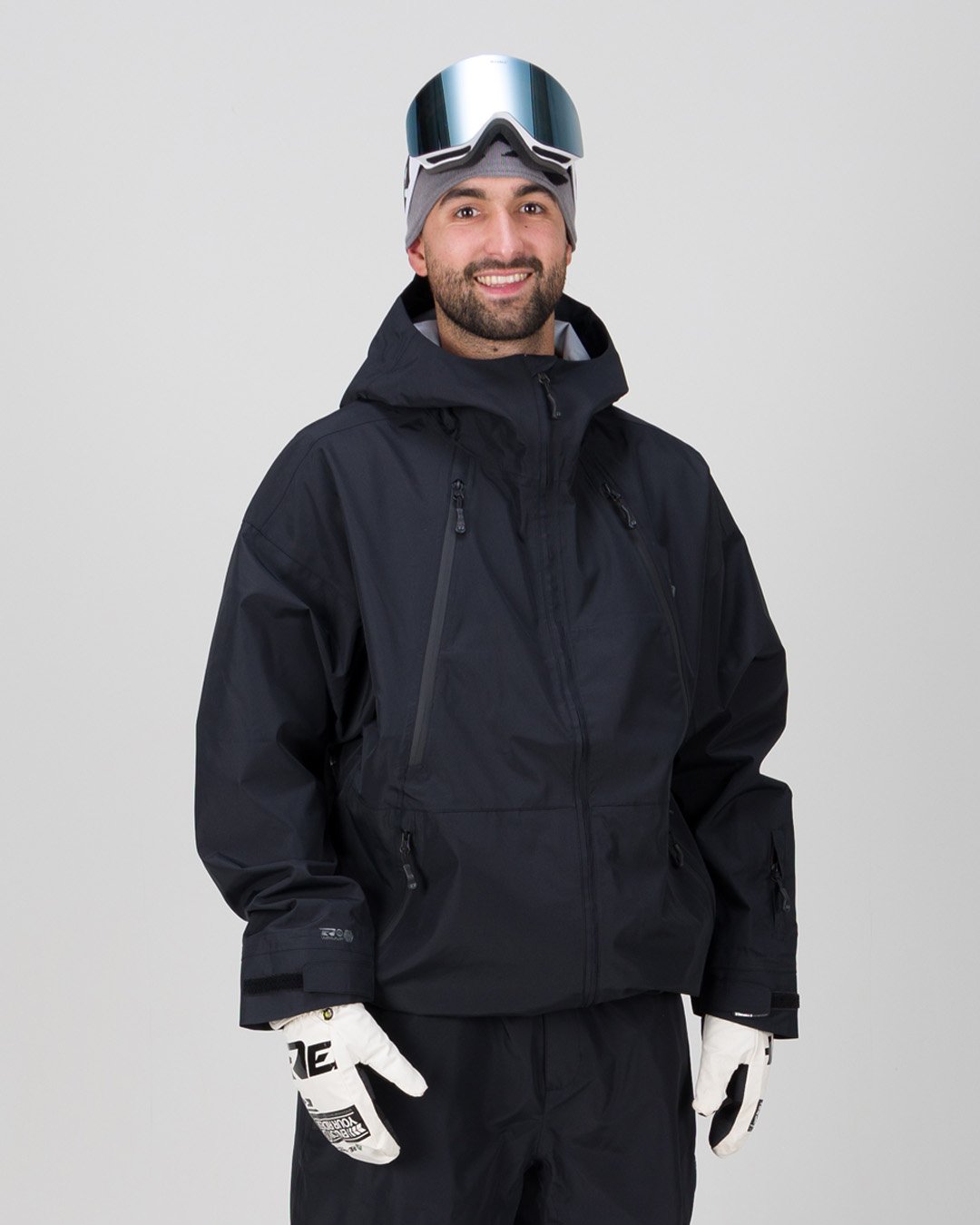
The type of ski jacket you need depends on how often and where you ski. A hardshell jacket is the choice for frequent skiers and off-piste riders who want maximum protection. Padded all-round jackets are suitable for recreational skiers who head to the mountains for a week each year. Rehall offers both options, from technical DXR models to affordable entry-level jackets.
Hardshell ski jackets for extreme conditions
The DXR collection is designed for skiers who demand maximum protection. With a water column of up to 20,000 mm and fully taped seams, you keep every weather type out. These jackets have higher breathability, which is crucial during intense skiing or hiking to off-piste spots. The DXR models form a separate collection within Rehall, specifically developed for those who demand the utmost from their equipment. Choose this line if you ski more than two weeks per season or are regularly on the slopes in changeable conditions.
Padded ski jackets for all-round use
For recreational skiing, Rehall offers padded jackets with a 10,000 mm water column and 60 to 80 gr/m² of insulation. That is sufficient for a week of skiing in the Alps in normal winter weather. These jackets combine warmth with breathability and are available in various colors and designs. They are lighter than hardshell models and offer a comfortable fit for daily use on and off the slopes.
Men's ski pants: from regular to baggy fit
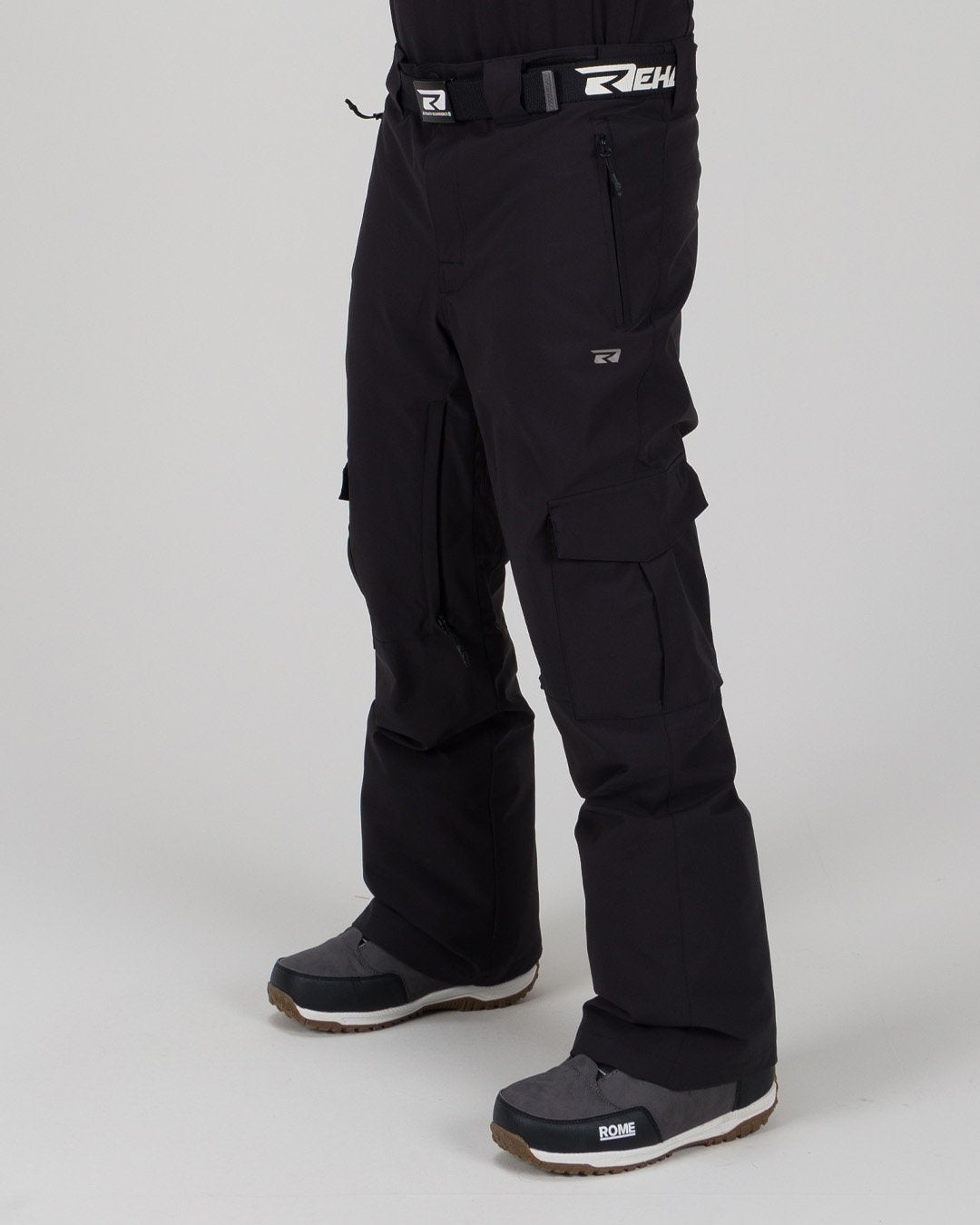
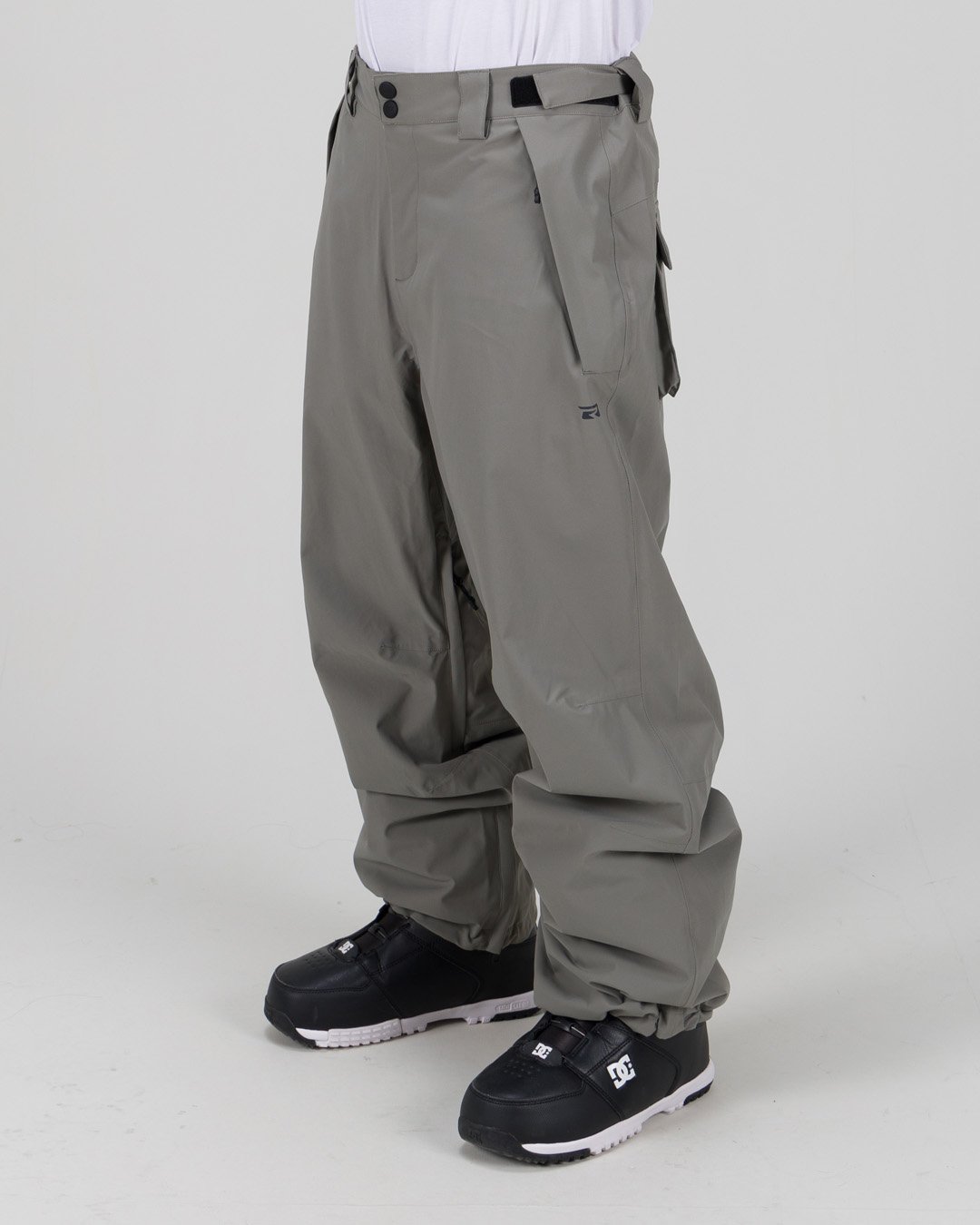
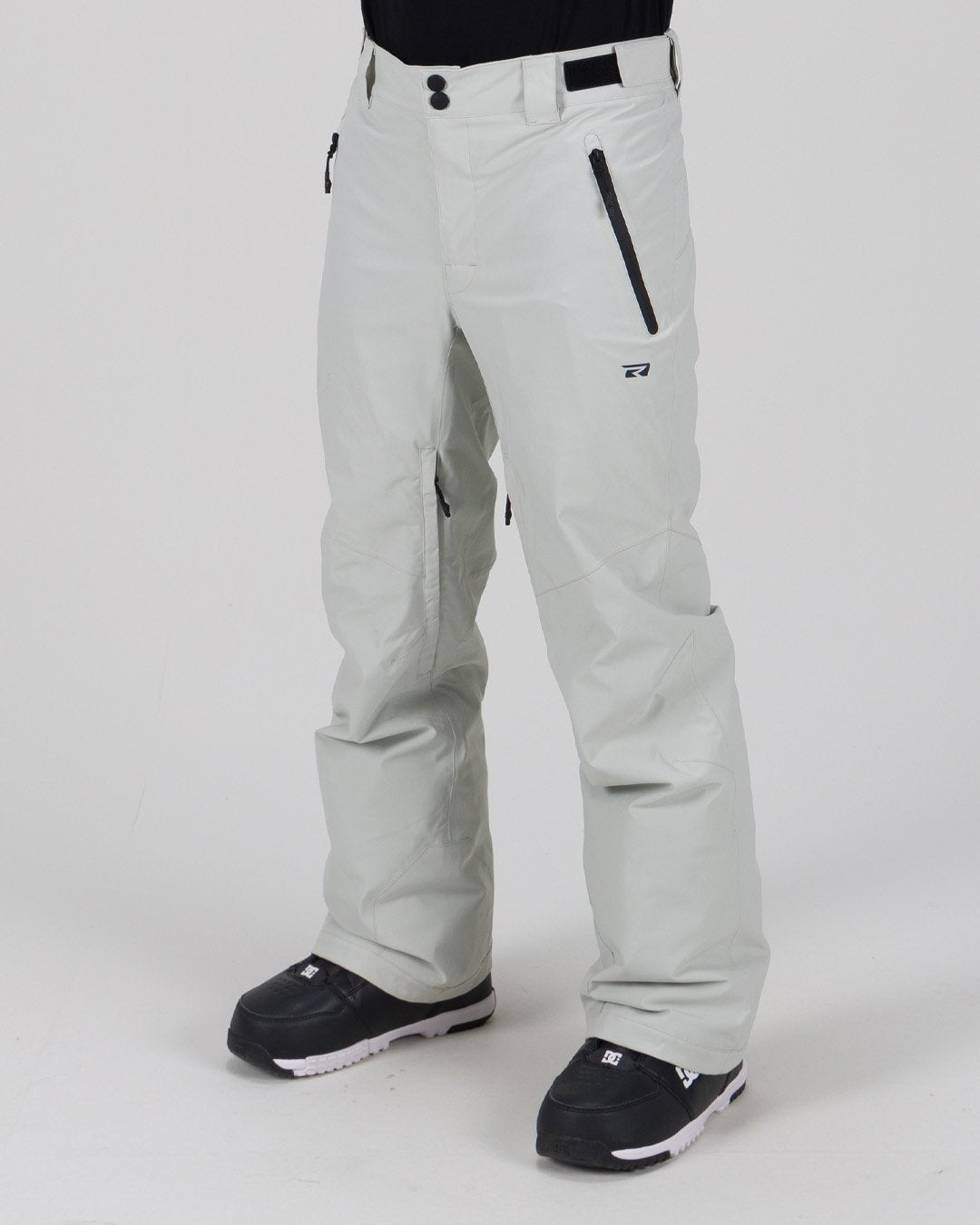
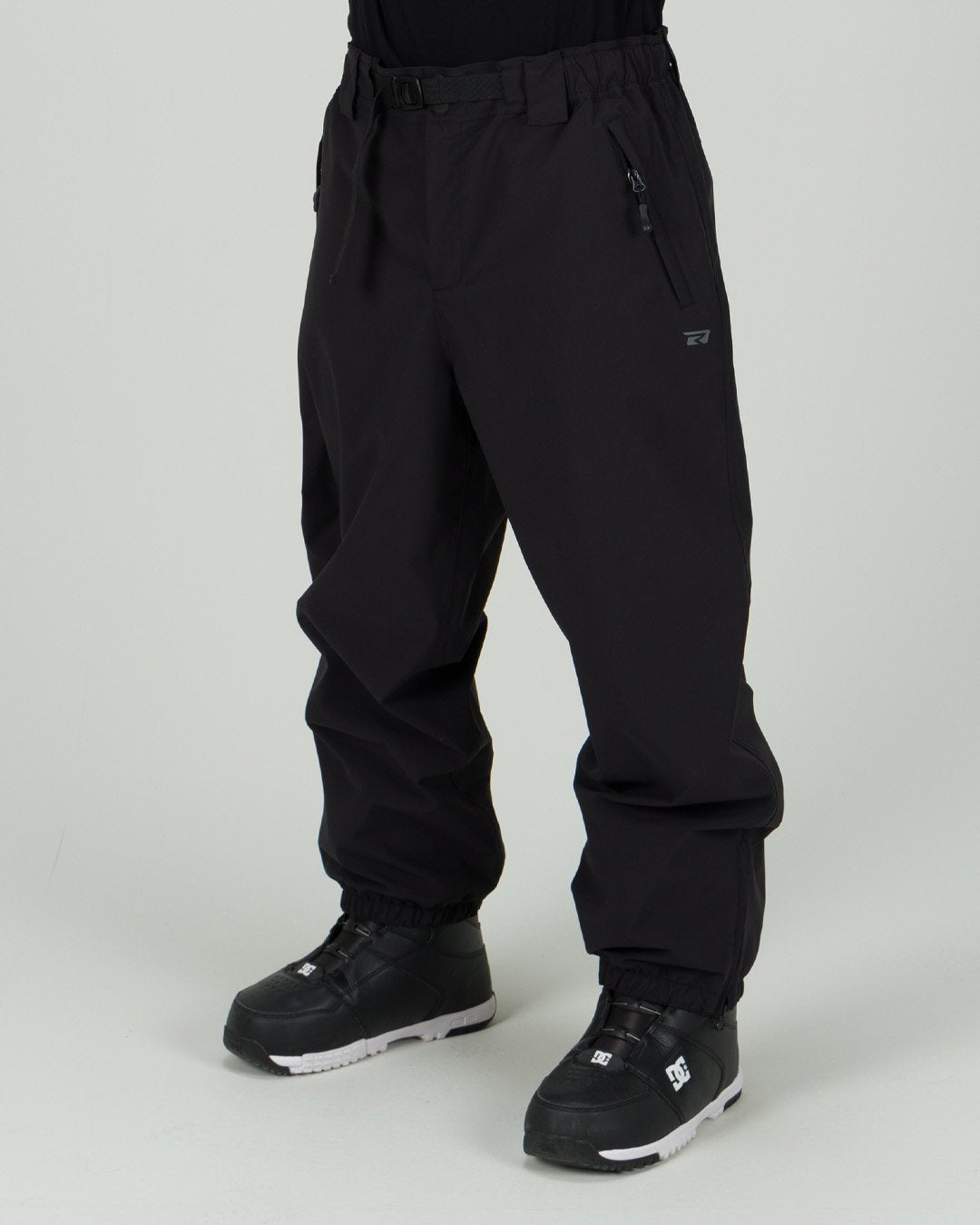
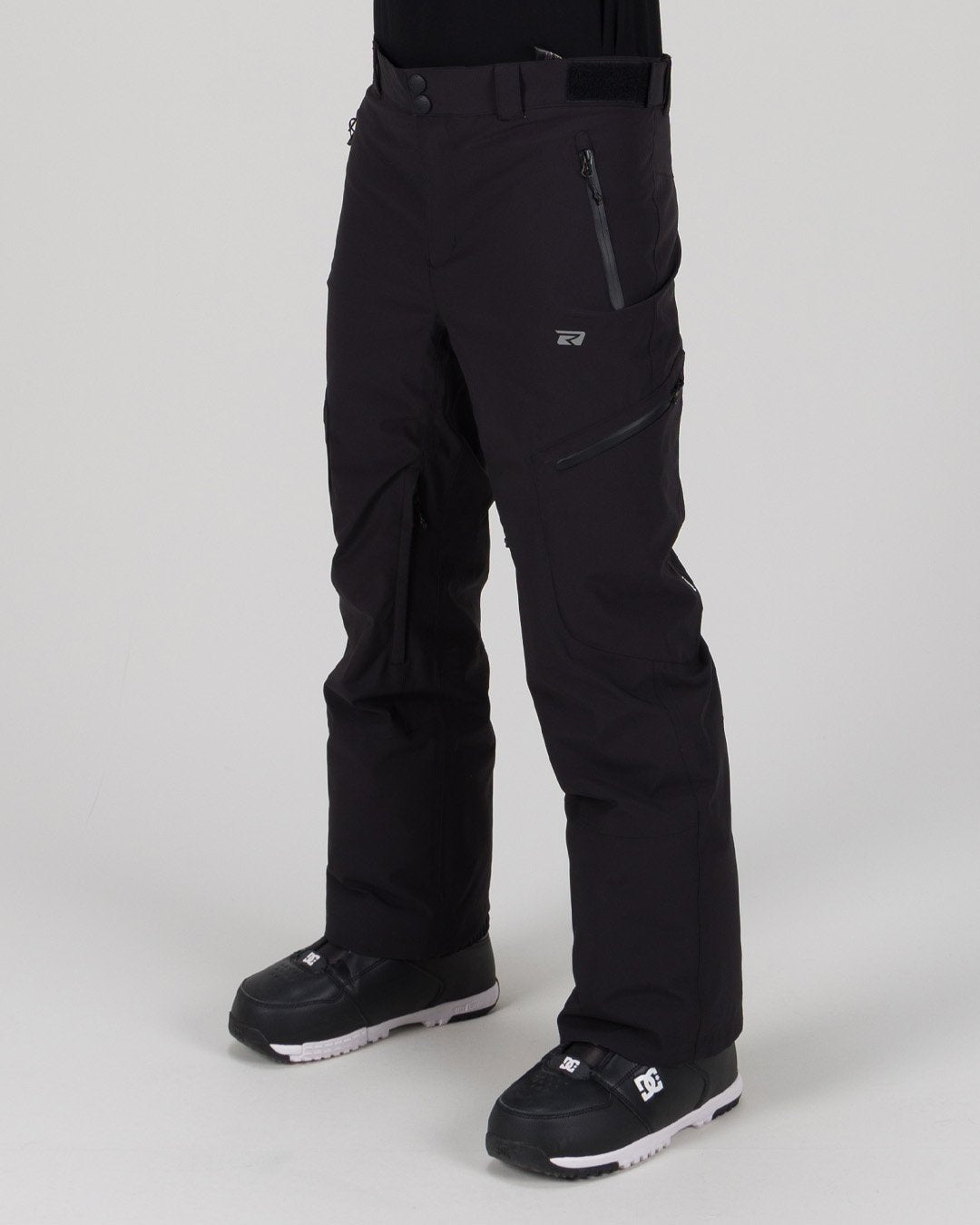
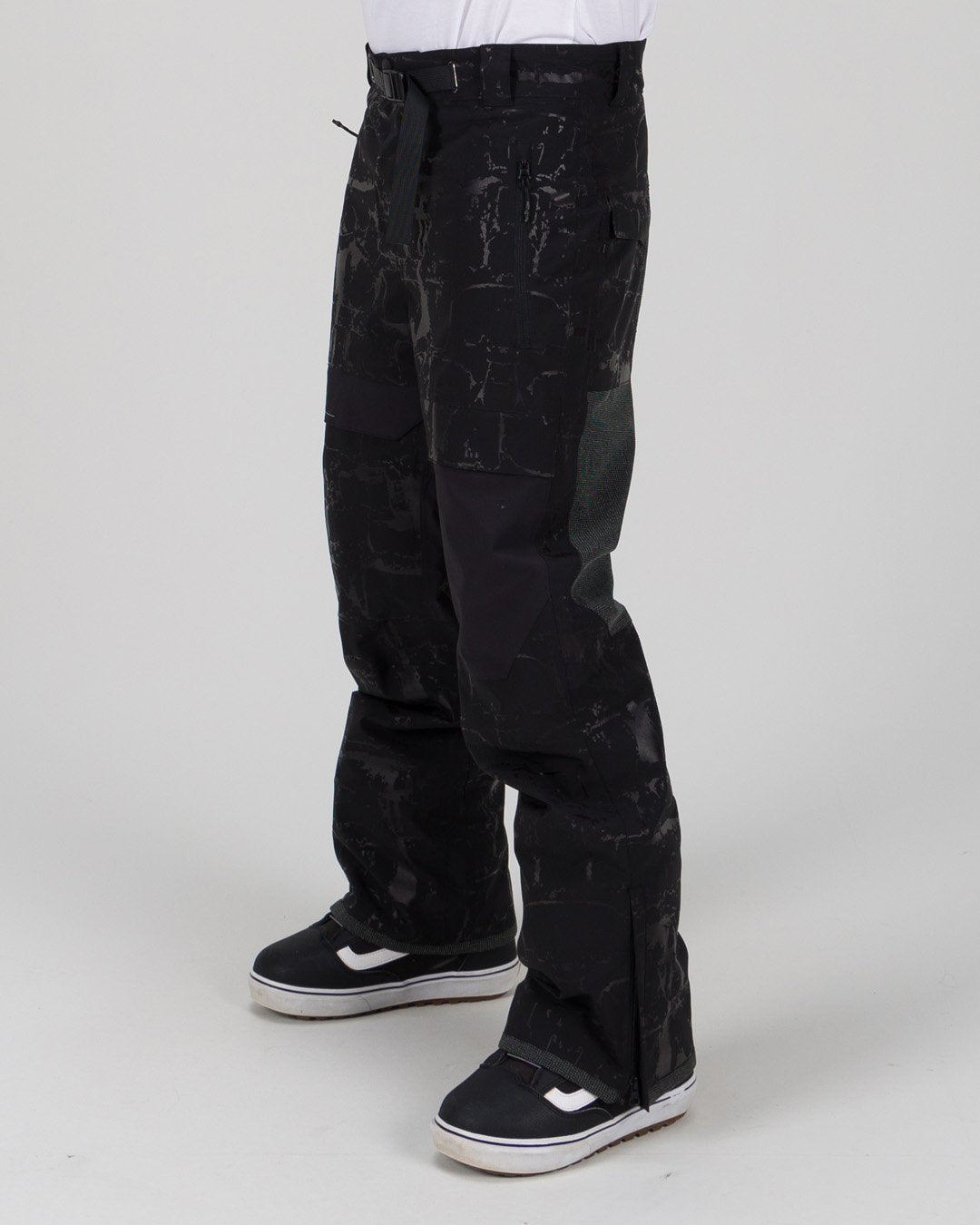
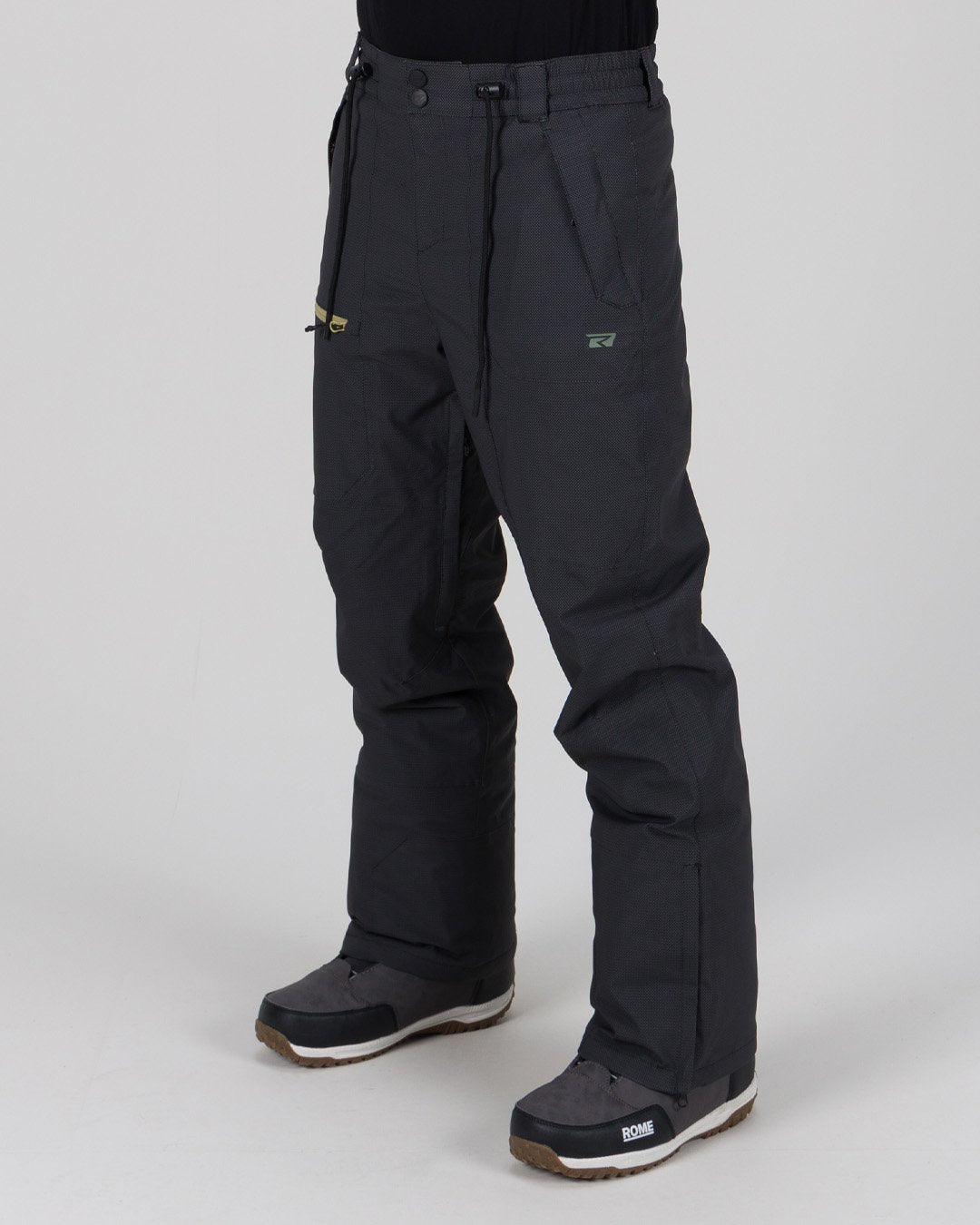
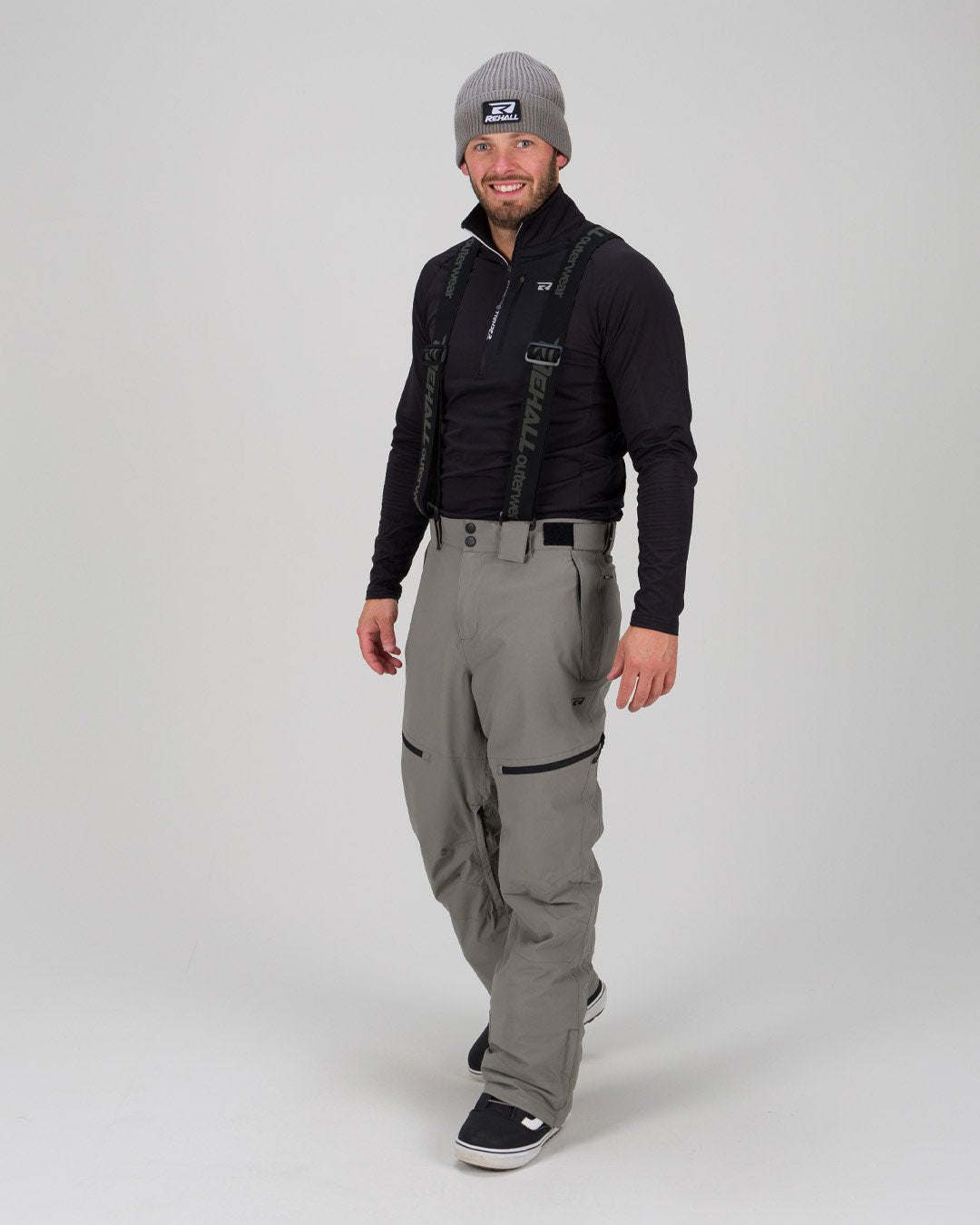
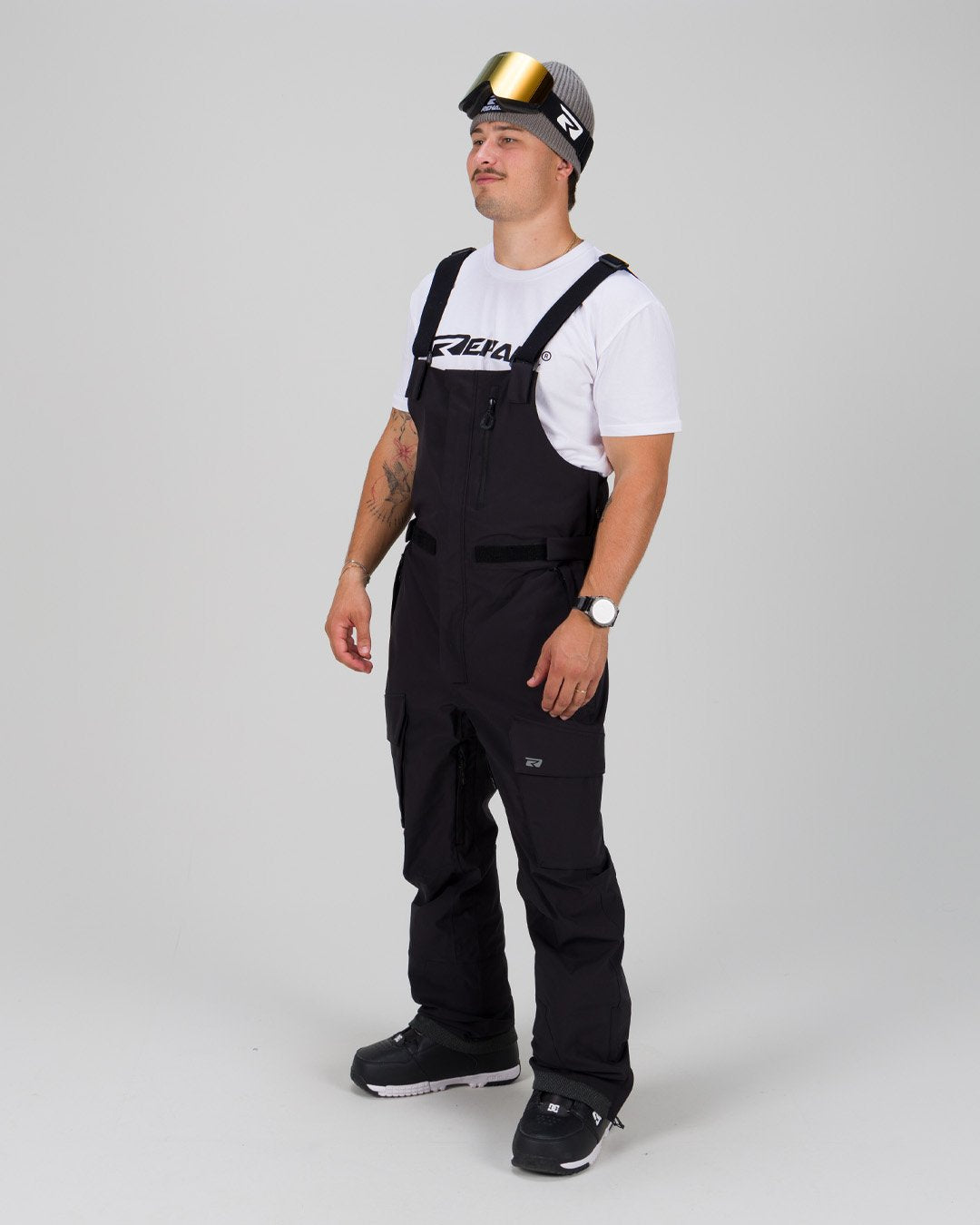
A good pair of ski pants is just as important as your ski jacket. Rehall offers men's ski pants in two main styles: regular fit and baggy fit. Both versions feature functional details like snow gaiters, ventilation zips, and an adjustable waist. The difference is in the fit and the look you want to project on the mountain.
Baggy ski pants for a relaxed look
Baggy ski pants are roomier around the thighs and sit lower on the hips. This gives a relaxed silhouette that is popular with snowboarders and freestyle skiers. Despite the wider cut, these pants feature the same waterproofness and breathability as the regular models. Rehall has an extensive baggy line with various colors and patterns. They are ideal for those who find style just as important as performance.
Regular fit ski pants for sporty performance
Regular fit ski pants fit closer to the legs and offer a streamlined fit. Stretch materials ensure optimal freedom of movement when making turns. Are you looking for more technical pants for demanding conditions? Check out the men's DXR ski pants with higher water columns and taped seams.
The complete layering system for men
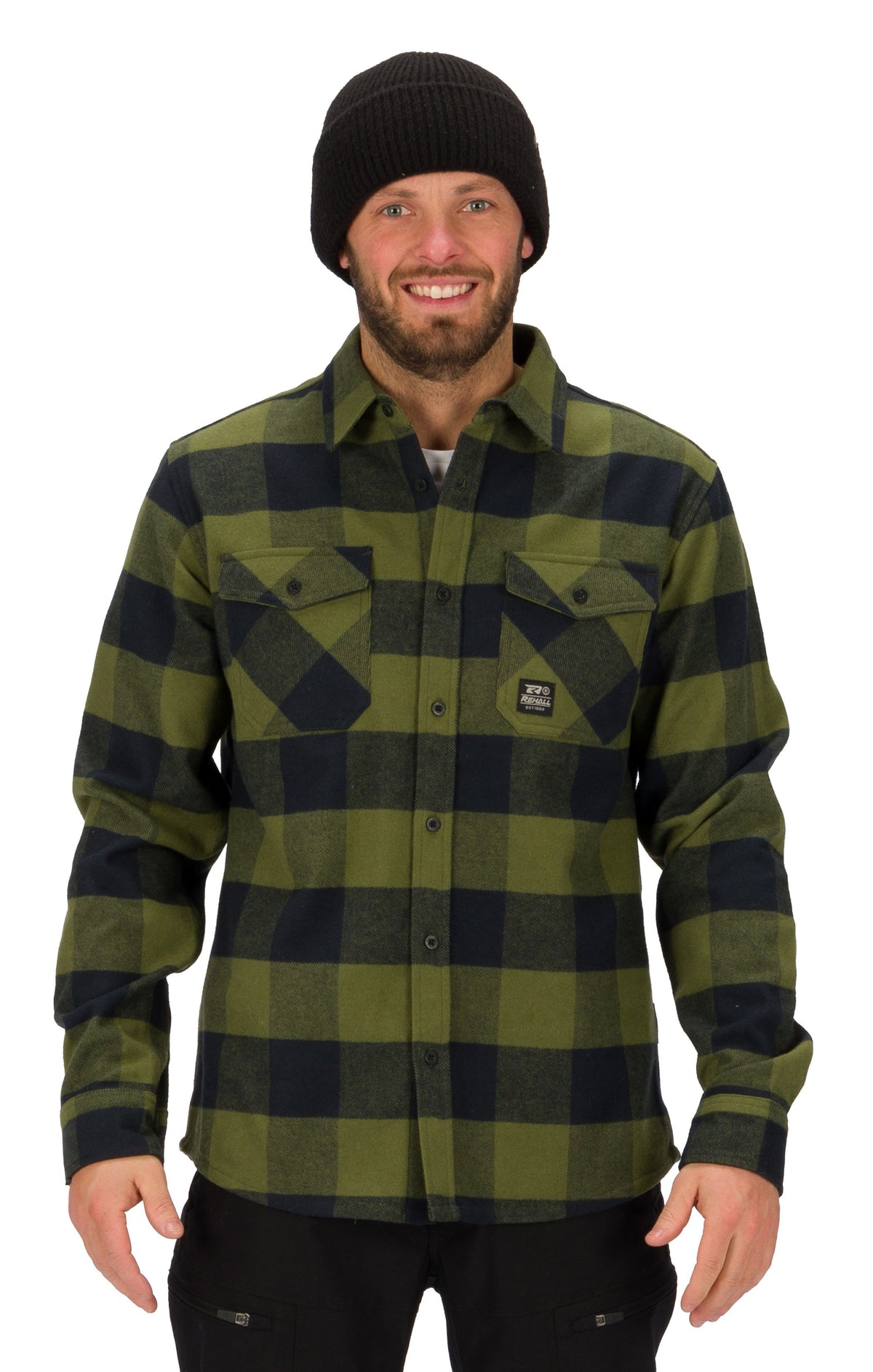
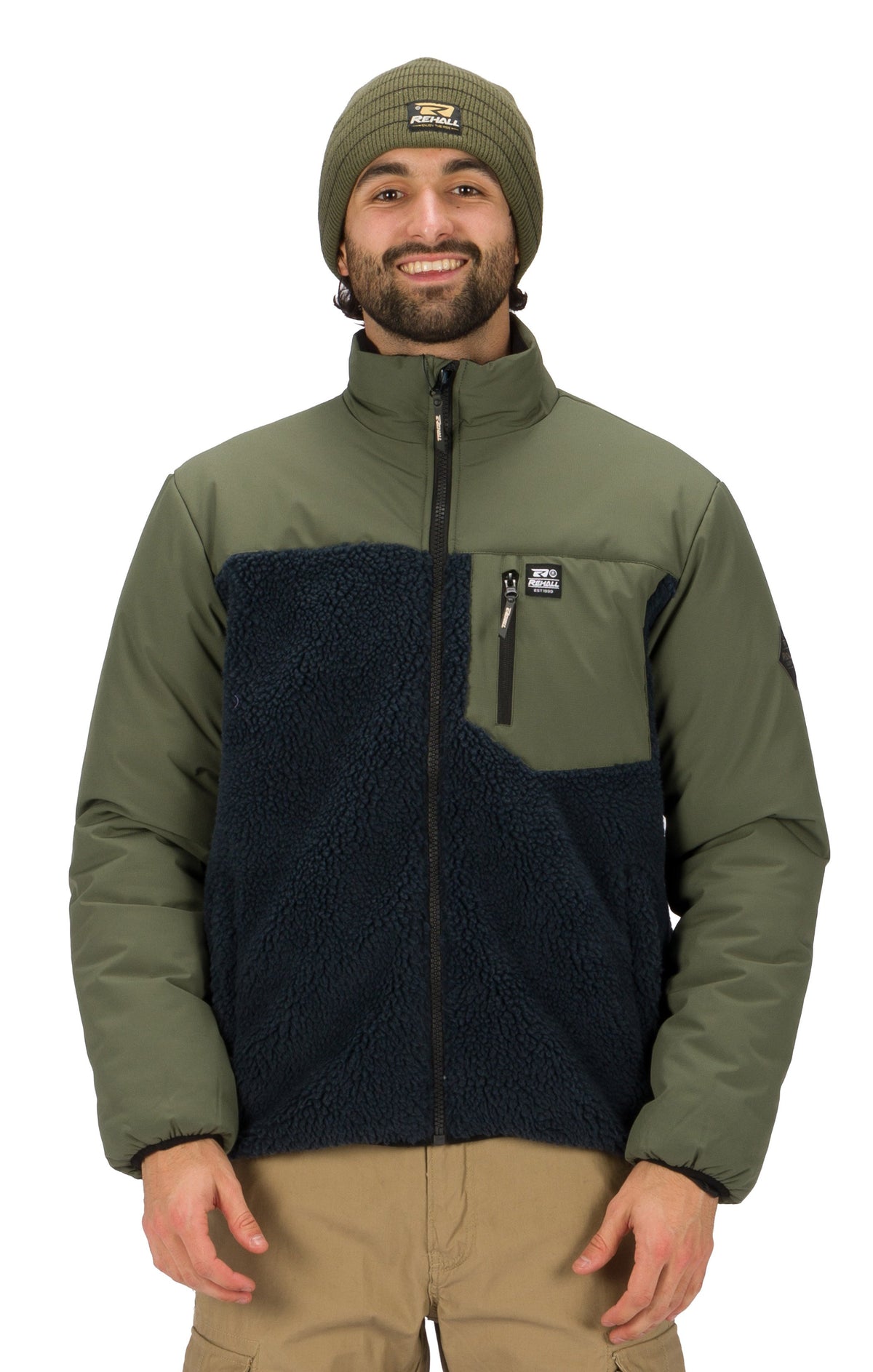
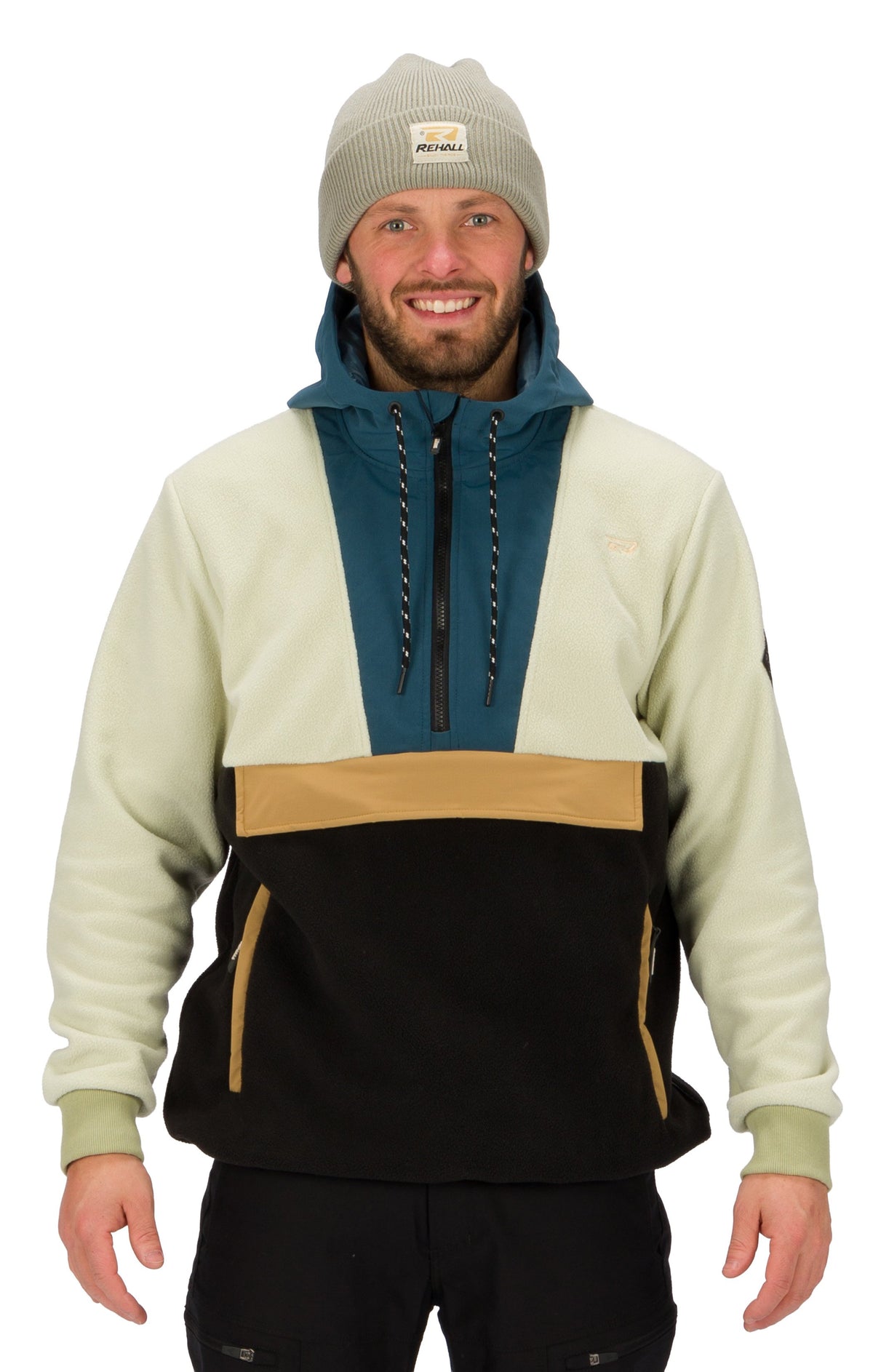
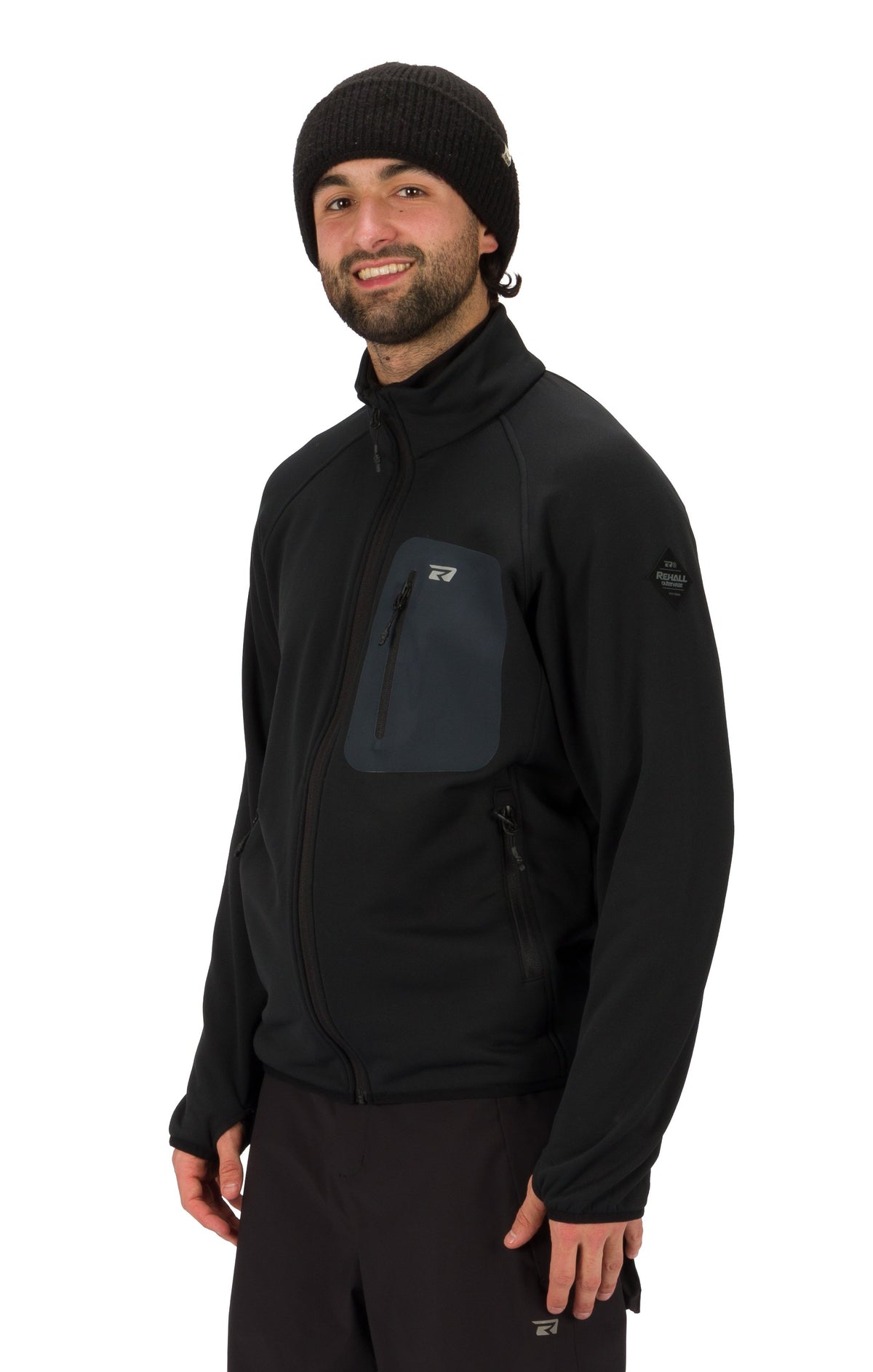
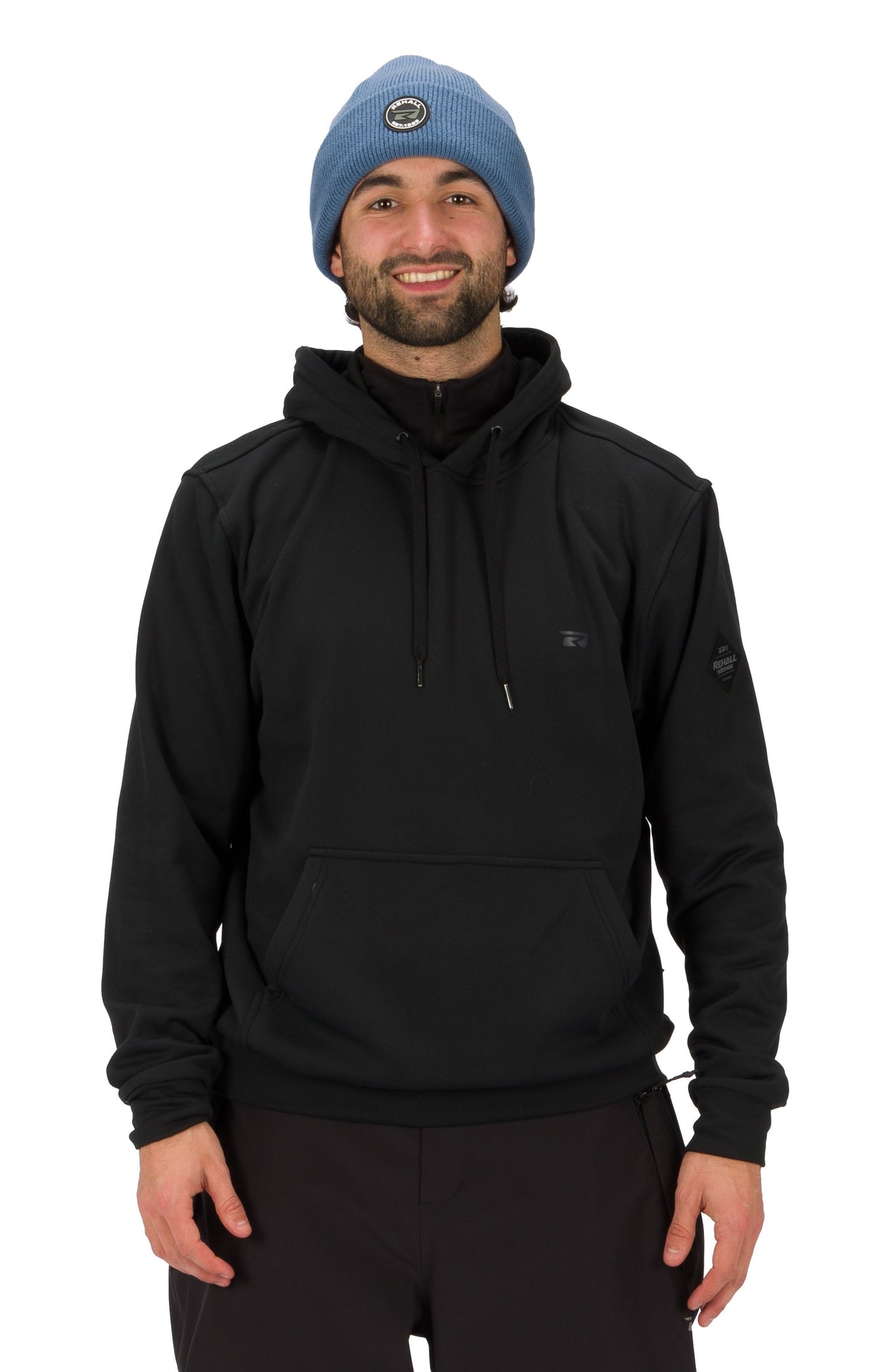
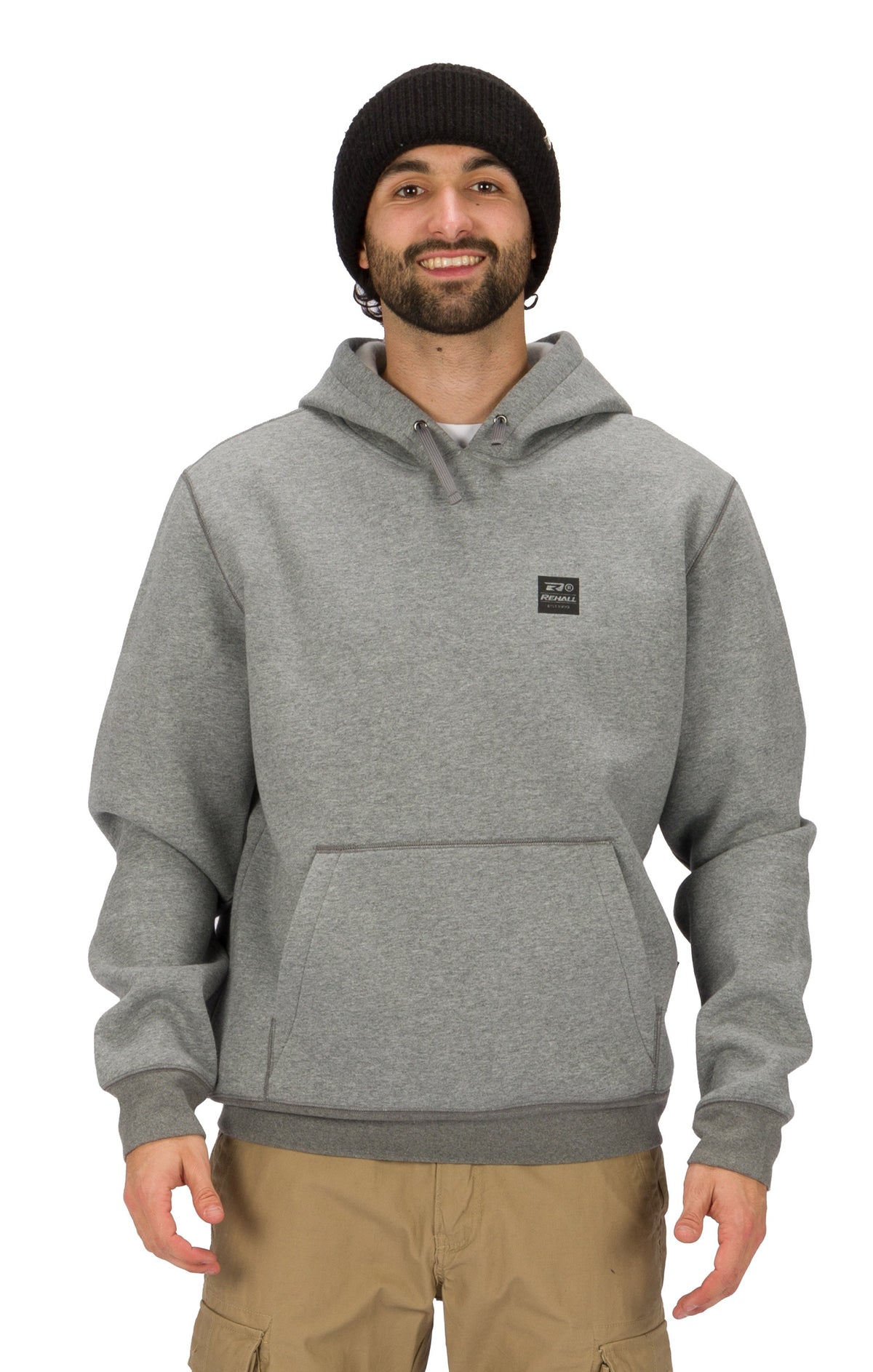
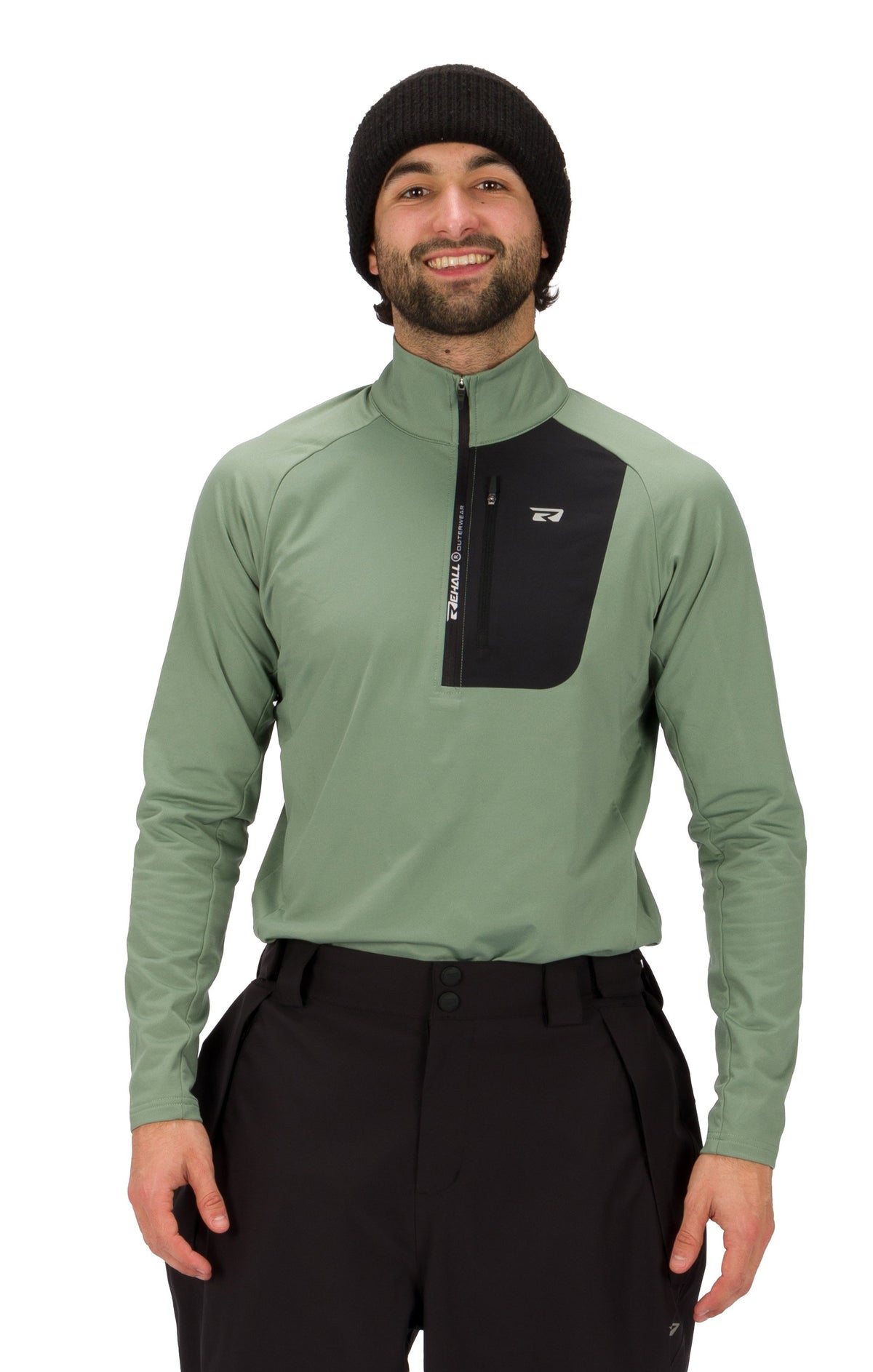
An effective layering system consists of three layers that work together. The base layer (thermal underwear) transports sweat away from your skin and keeps you dry. The midlayer (ski turtleneck, fleece vest, or hoodie) insulates and retains heat. The outer layer (ski jacket) protects against wind, water, and snow. Each layer has its own function, and omitting one layer disrupts the entire system.
Rehall offers complete midlayer options: from ski turtlenecks and hoodies to insulating vests. By combining layers, you can easily adjust your clothing to the temperature of the day. On a sunny morning, you only wear a base layer with a ski jacket; when temperatures drop, you add a fleece vest. Those looking for an all-in-one solution will also find complete ski suits at Rehall, in which the jacket and pants are coordinated.
Maintaining waterproofness
The water-repellent coating of ski clothing wears off over time due to use and washing. After 5 to 10 washes, the DWR (Durable Water Repellent) coating noticeably diminishes, causing water to stop beading off the fabric. Restore the water repellency with the Rehall Go Dry Water Repellent Spray, specially developed for Rehall materials.
Wash your ski clothing at 30°C with a mild detergent, without fabric softener. Fabric softener clogs the pores of the membrane and permanently reduces breathability. Hang your clothing to dry and avoid the dryer unless the care label explicitly permits it. By properly maintaining your ski clothing, you extend its lifespan by several seasons. Those who want to know more about the full range of waterproof ski clothing within the DXR collection will also find detailed material specifications per product there.
Frequently asked questions about men's ski clothing
What water column do I need for ski clothing?
For recreational skiing on groomed slopes, a water column of 10,000 mm is sufficient. If you ski regularly off-piste or in wet snow, choose 15,000 to 20,000 mm. The DXR collection from Rehall offers models with up to 20,000 mm water column with fully taped seams.
What is the difference between a hardshell and a padded ski jacket?
A hardshell ski jacket is thin, waterproof, and highly breathable, intended as an outer protective layer. You combine it with midlayers for warmth. A padded ski jacket has insulation (usually 60 to 80 gr/m²) already built in and is warm immediately without extra middle layers. Hardshell is more versatile, padded is more convenient.
How do I determine my size for Rehall ski clothing?
Always check the size guide on the product page of the item you want to order. Sizes can differ per model and collection. Measure your chest, waist, and hip circumference and compare them with the size chart. If in doubt between two sizes: choose the larger one if you want a loose fit, or the smaller one for a sportier fit.
Can I wash ski clothing in the washing machine?
Yes, most Rehall ski clothing is washable at 30°C. Use a mild detergent and avoid fabric softener, as this affects the breathability of the membrane. Close all zippers before washing and turn the clothing inside out. After washing, treat the clothing with a water-repellent spray to restore the DWR coating.
What is the advantage of baggy ski pants compared to regular fit?
Baggy ski pants offer more freedom of movement and a relaxed streetwear look. They are popular with snowboarders and freestyle skiers. The technical properties (waterproofness, breathability, snow gaiters) are identical to regular fit models. The difference is purely in the fit and style.
How does the layering system work for skiing?
The layering system consists of three layers: a base layer that wicks moisture, a midlayer that insulates, and an outer layer that protects against wind and water. By combining layers and adjusting them to the temperature, you keep your body temperature stable. Rehall offers all three layers, from thermal underwear to waterproof ski jackets.