


Women's Ski Pullies


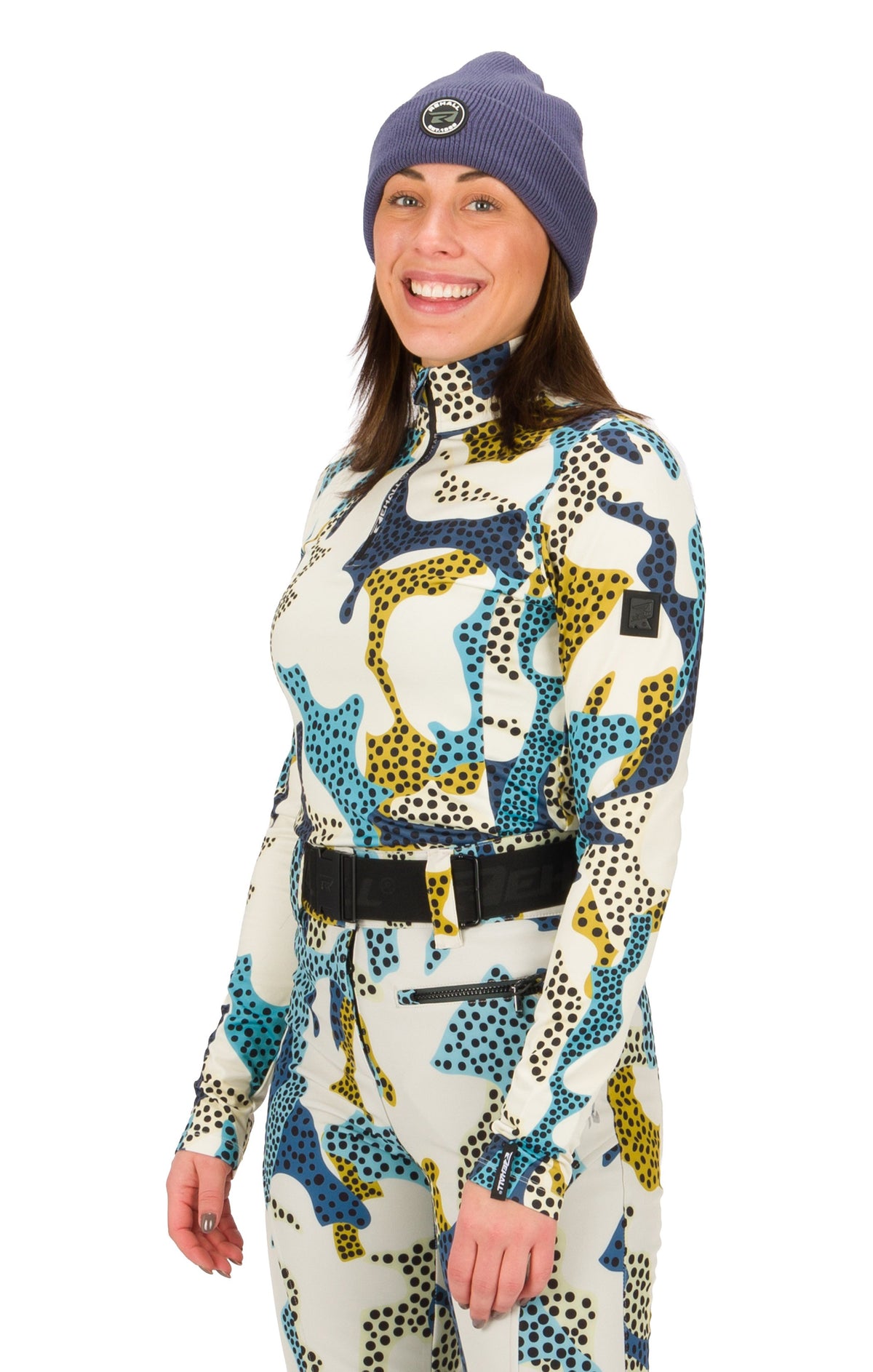


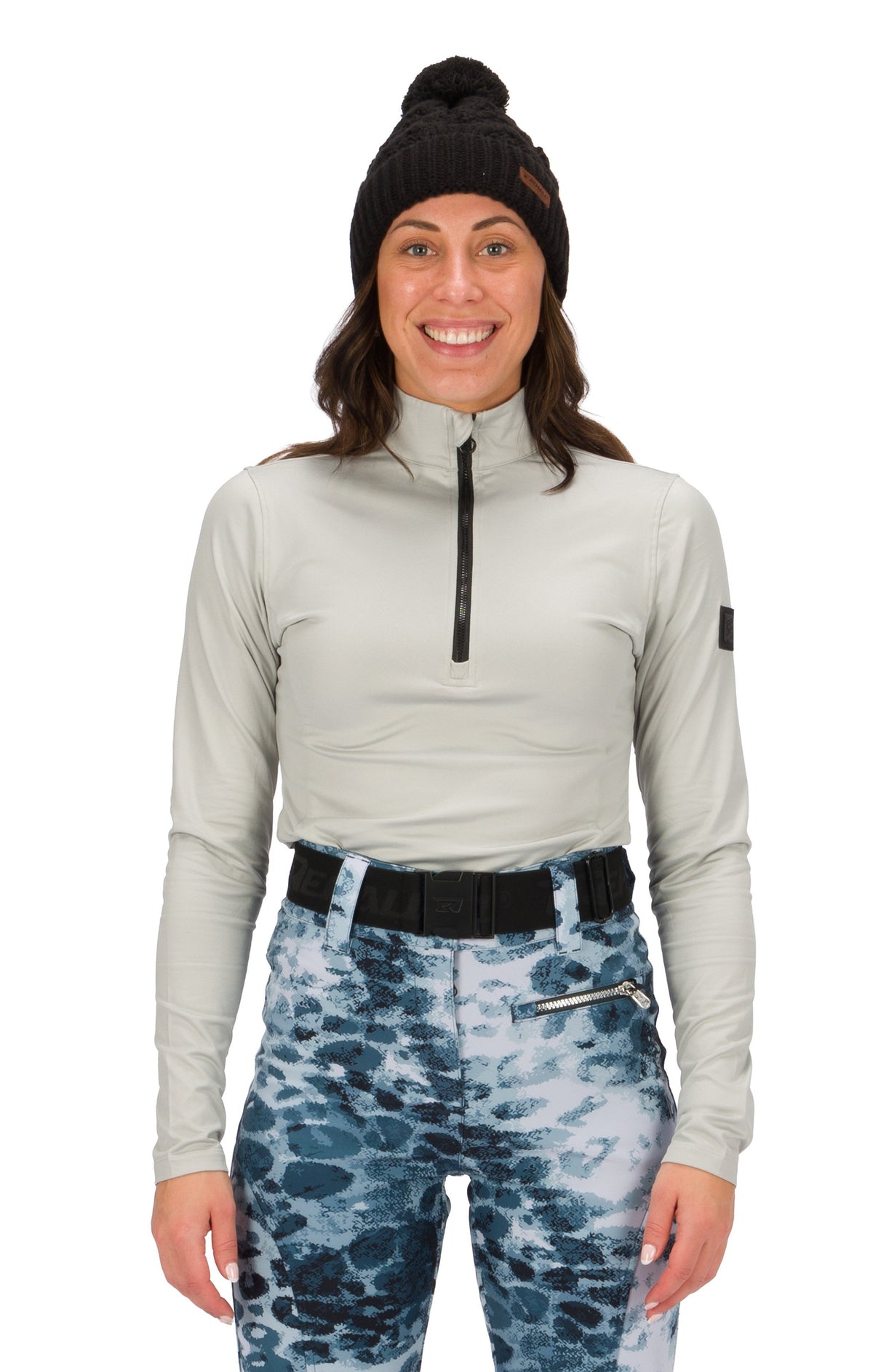


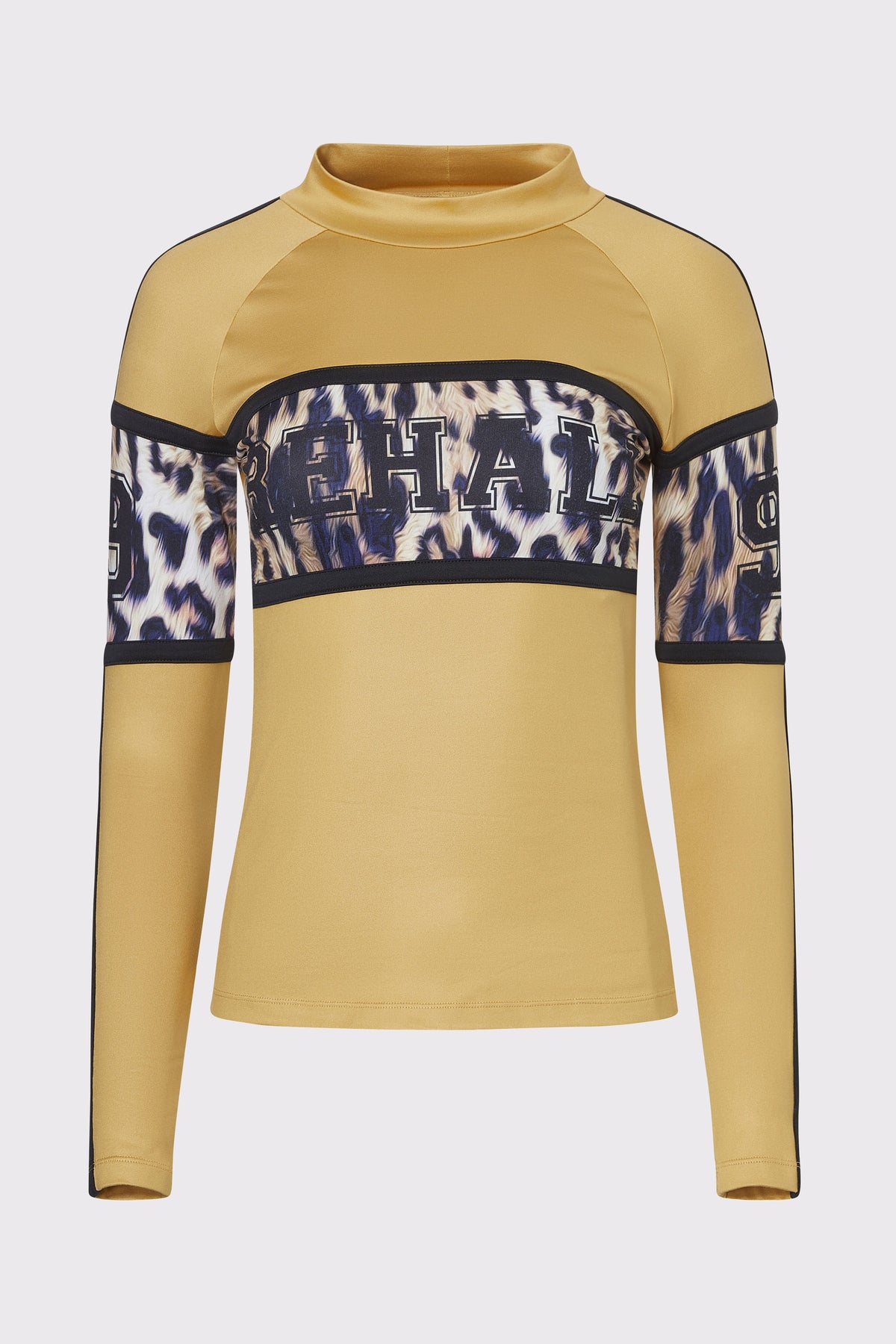
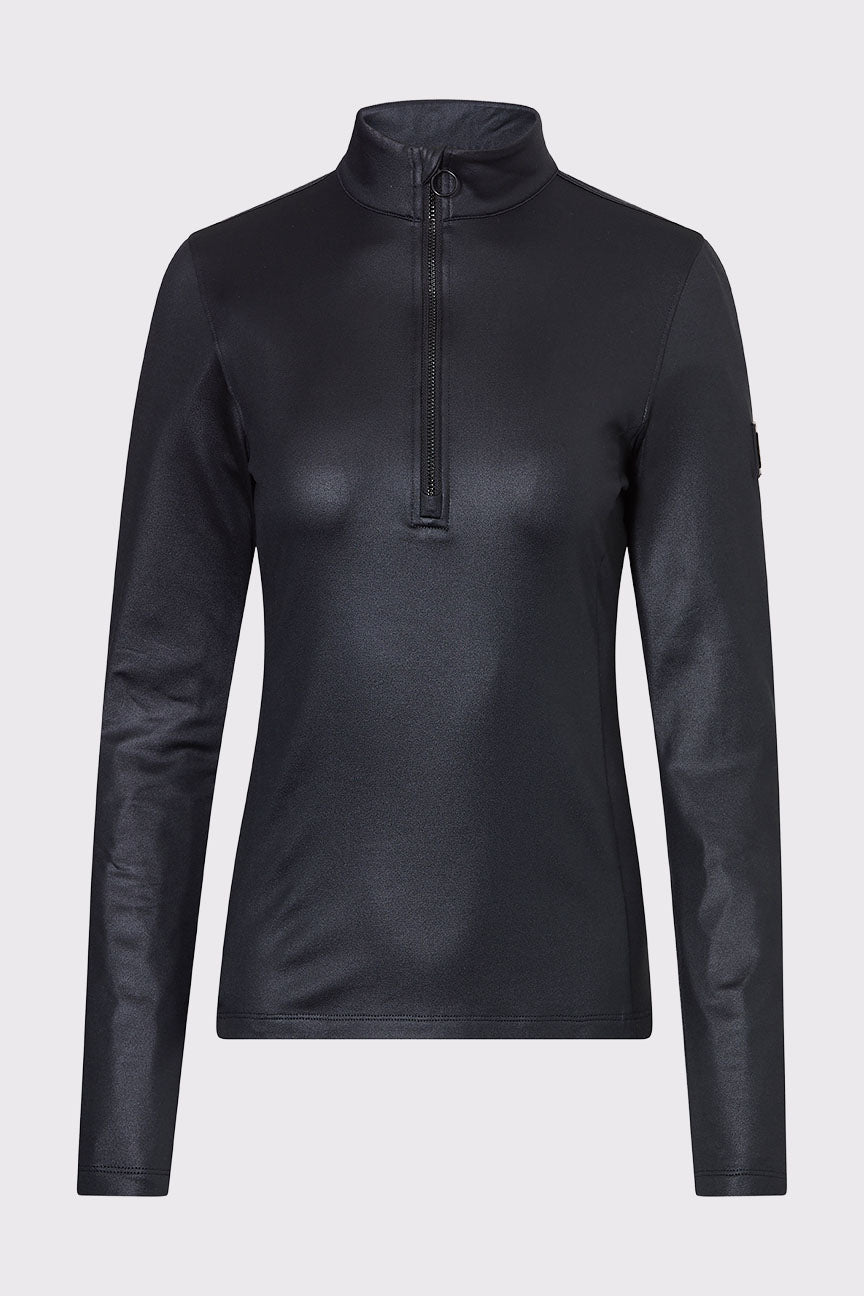


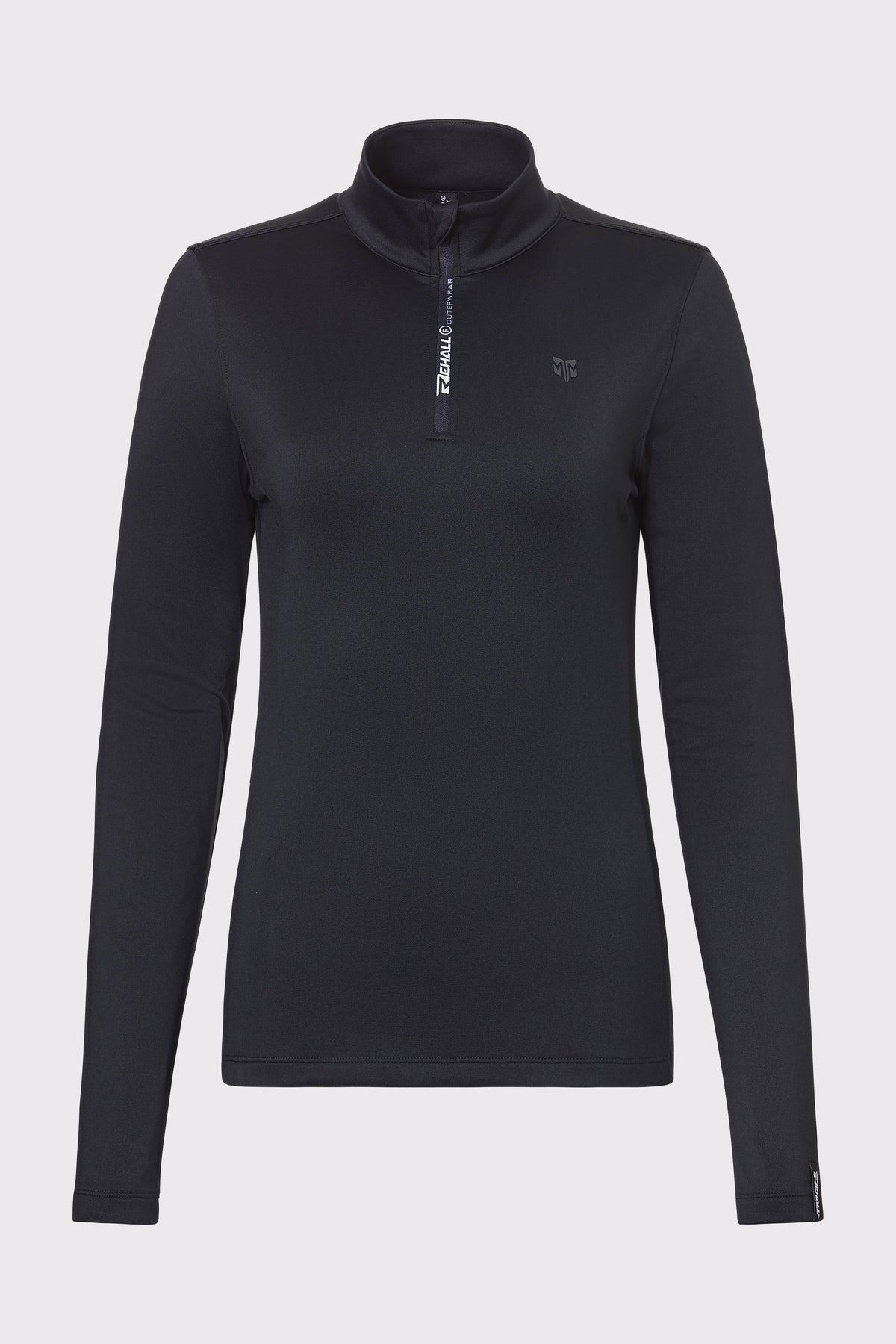


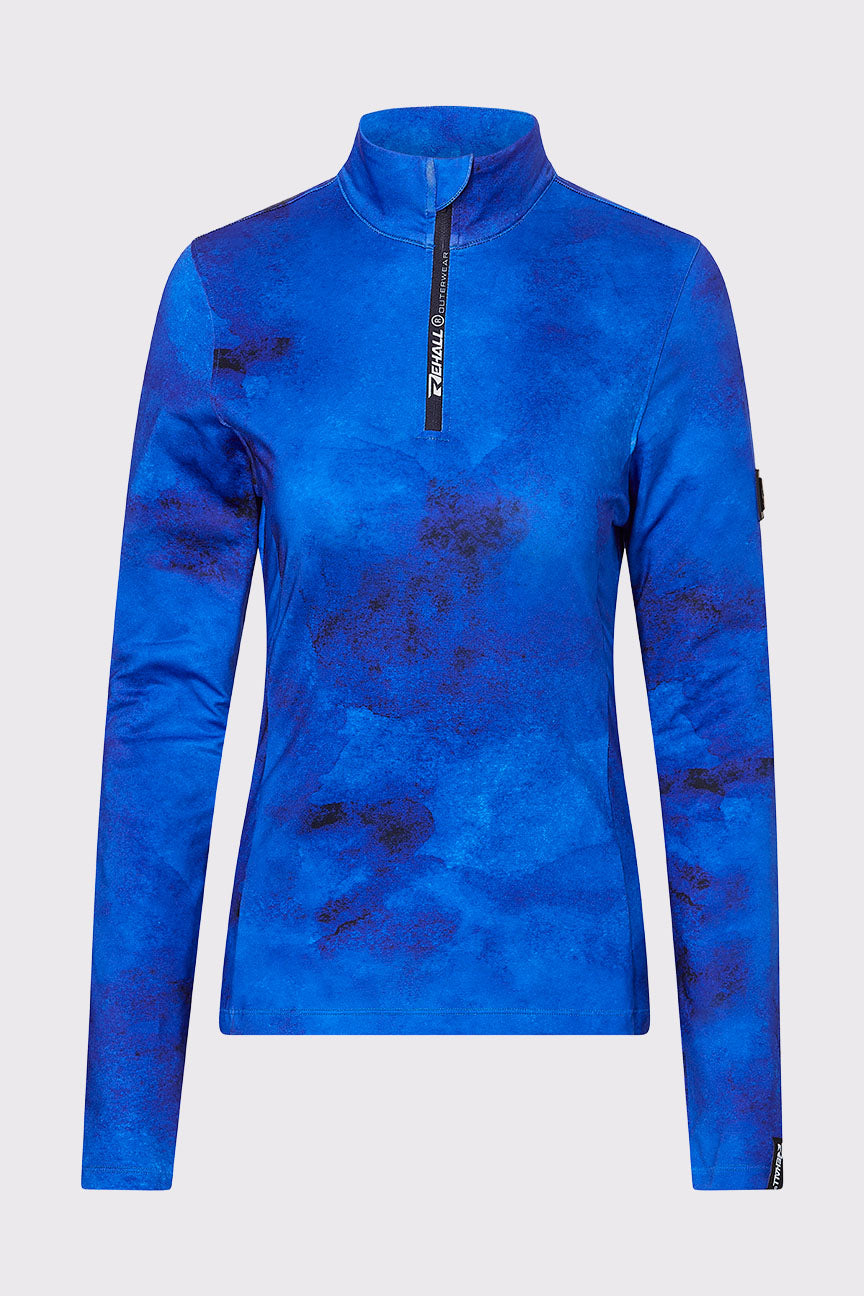


What does a ski sweater do?
A ski sweater (or "skipully") functions as an insulating mid-layer between your thermal underwear (base layer) and your ski jacket (outer layer). Its most important task is moisture regulation: you perspire while skiing, and a good ski sweater wicks that moisture away to the outer layer within minutes. This keeps you dry and warm, even after intense runs.
At the same time, the ski sweater retains body heat by trapping a layer of still air between the fibers. Unlike a regular sweater, a ski sweater is made of synthetic materials such as polyester or fleece, which dry up to 8 times faster than cotton and retain their insulating properties when damp. Ski sweaters often have a half-length zipper or turtleneck for extra protection around the neck, and flat seams to prevent chafing under your ski jacket.
Key functions of a ski sweater:
- Wicking moisture from your skin to the outer layer
- Retaining body heat without overheating
- Providing freedom of movement through stretch fabric
- Drying quickly after an intense descent
Are you looking for the right outer layer as well as a ski sweater? Check out the women's ski jackets by Rehall for a complete layering system.
How do you choose the right women's ski sweater?
The best ski sweater depends on three factors: activity level, weather conditions, and fit.
Activity level: for recreational skiers who mainly stick to blue and red slopes, a standard fleece ski sweater is sufficient. It offers enough warmth without causing you to overheat quickly. Do you ski more intensively, with regular black slopes or off-piste runs? Then a thinner, smoothly woven polyester model is better, as it wicks more moisture and dries faster.
Weather conditions: in sunny spring weather (temperatures around 5 to 10°C), choose a lighter ski sweater that you can also wear without a jacket. For mid-winter temperatures below -10°C, a thicker fleece version is recommended, or a ski sweater from the DXR collection with extra protection.
Fit: a slim fit sits closer to the body and works more efficiently in the layering system, while a regular fit provides more comfort for longer ski days. Always check the Rehall size guide to be sure of your size, especially if you are between two sizes.
Which material is best for ski sweaters?
Polyester is the most widely used material for ski sweaters, and for good reason. Polyester ski sweaters are breathable, wick moisture quickly, and often dry within an hour, even in a heated ski hut. Rehall uses high-quality polyester with stretch properties, so the ski sweater moves with you on every turn.
Fleece (a type of polyester with a brushed interior) offers extra softness and warmth. This material is ideal for cold days or if you tend to suffer from cold arms and shoulders.
Merino blends (often 50% merino wool, 50% polyester) regulate temperature slightly better and are less prone to odors, but they dry slower and are more expensive. For most skiers, polyester offers the best value for money.
You should always avoid cotton on the slopes. Cotton absorbs moisture instead of wicking it away, which causes your body to cool down quickly. This is not only uncomfortable but, in cold weather, can lead to hypothermia.
Fleece or woven ski sweater?
Fleece ski sweaters have a brushed interior that traps air and provides extra warmth. They feel soft against the skin and are the best choice for skiers who get cold easily. The disadvantage: fleece is slightly thicker, which can make your ski jacket fit more tightly.
Smoothly woven polyester ski sweaters are thinner, lighter, and wick moisture more efficiently. They fit more easily under a snug ski jacket and are more suitable for intense skiers who perspire heavily. At temperatures above 0°C, you can also easily wear them as an outer layer.
The choice depends on your personal preference and skiing behavior. Do you ski calmly and get cold easily? Go for fleece. Do you ski intensely and want as few layers as possible? Choose a smoothly woven model.
The layering principle: where does a ski sweater fit in?
A ski sweater is the mid-layer in the three-layer principle that every skier should follow:
- Base layer (layer 1): thermal underwear worn directly against the skin that wicks away moisture
- Mid-layer (layer 2): the ski sweater that insulates heat and passes moisture through
- Outer layer (layer 3): the ski jacket that protects against wind, snow, and rain
This system only works optimally if each layer connects well with the others. A ski sweater that is too loose does not create efficient heat insulation. A ski sweater that is too tight restricts your freedom of movement. The right fit ensures that air can circulate without letting heat escape.
During warm spring days or at après-ski, you can also wear the ski sweater as an outer layer. Combine your ski sweater with matching women's ski accessories like gloves and a beanie for a complete outfit.
By the way, Rehall also has men's ski sweaters and boys' ski sweaters in the range, which is handy if you want to shop for the whole family.
DXR collection for extreme conditions
The Rehall DXR line is a separate collection designed for skiers who need more protection than a standard ski sweater provides. DXR models combine waterproof properties with a higher degree of insulation, making them suitable for poor weather conditions and longer days on the slopes.
Maintenance of your ski sweater
Proper maintenance significantly extends the lifespan of your ski sweater. Follow these tips:
- Wash your ski sweater at 30 degrees with a mild detergent
- Never use fabric softener: this clogs the pores of the material and reduces breathability
- Preferably air dry by hanging, do not tumble dry
- Turn the ski sweater inside out before washing to protect the exterior
Has the water-repellent finish diminished after several washes? Use the Rehall Go Dry Water Repellent Spray to restore the finish. One treatment is usually sufficient for an entire season.
Frequently asked questions about women's ski sweaters
What is the difference between a ski sweater and a thermal shirt?
A thermal shirt is a base layer worn directly against the skin that primarily wicks away moisture. A ski sweater is a mid-layer worn over the thermal shirt that insulates heat. Both have different functions within the layering system and are not interchangeable.
Can I also wear a ski sweater off the slopes?
Yes, ski sweaters are versatile enough for walks, bike rides in cold weather, or just as a warm sweater in the winter. Due to the quick-drying material and breathability, they are suitable for any outdoor activity where you are actively moving.
How do I know which size I need?
Always consult the Rehall size guide on the product page. Measure your chest, waist, and hip circumference and compare them with the size chart. Are you between two sizes? Then choose the larger size if you want a comfortable fit, or the smaller size for a tight, athletic fit.
How often should I wash my ski sweater?
Wash your ski sweater every 3 to 5 ski days, or sooner if you notice the material is not wicking moisture as effectively. Synthetic materials can retain odors, so washing regularly at 30 degrees maintains its performance.
Can I wear a ski sweater without a ski jacket?
Certainly, especially in sunny weather with temperatures above 0°C. Many skiers wear their ski sweater as an outer layer during spring skiing or during lunch breaks on the terrace. Smoothly woven models are the most suitable for this, as they block wind better than fleece variants.