


Women's Accessories








Which ski accessories do you need as a woman?
The right ski accessories make the difference between a perfect day of skiing and a cold, uncomfortable experience. Not every accessory is equally essential, but a number of items are indispensable once you hit the slopes. Combine your accessories with women's ski jackets or ski suits for a complete outfit that can withstand any weather type.
Essential accessories for every ski slope
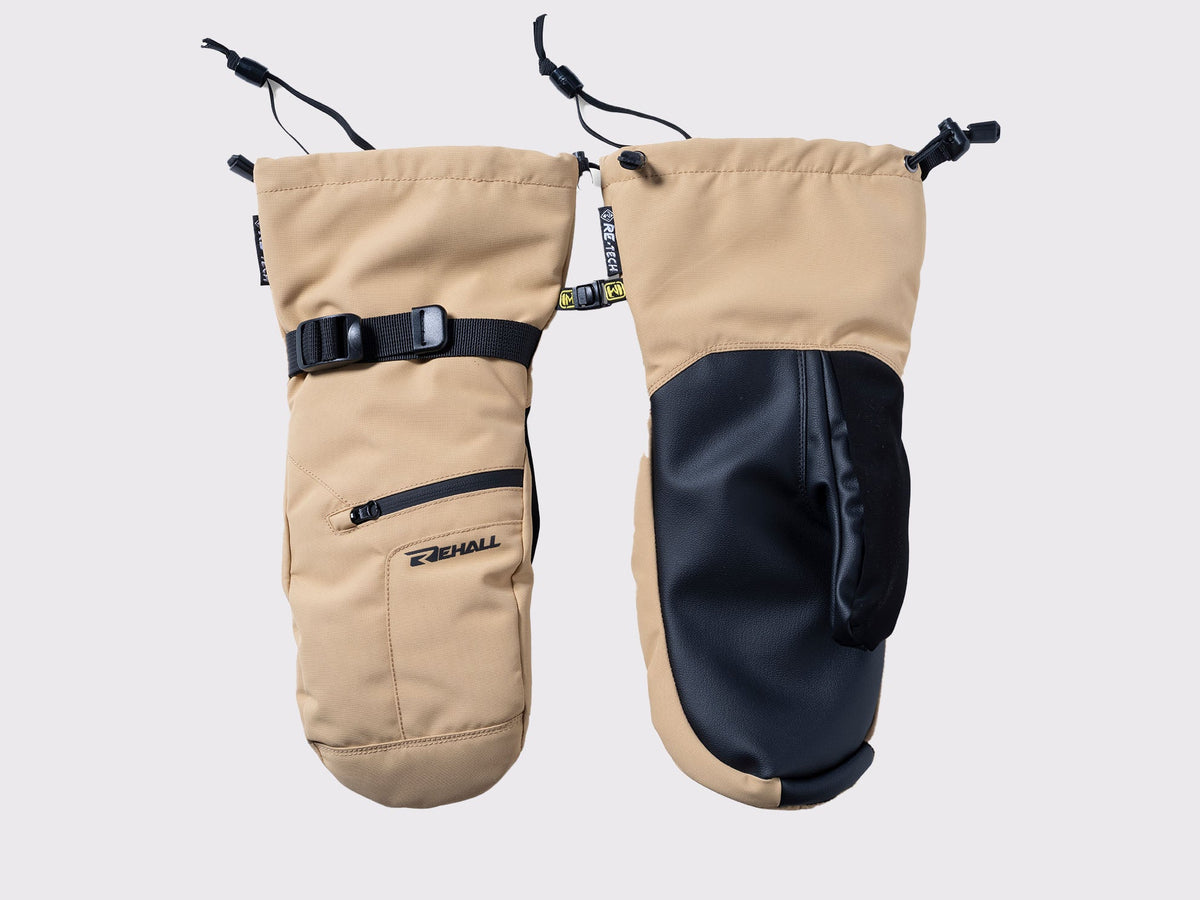
- Ski gloves or mittens: water-resistant and insulated for warm, dry hands
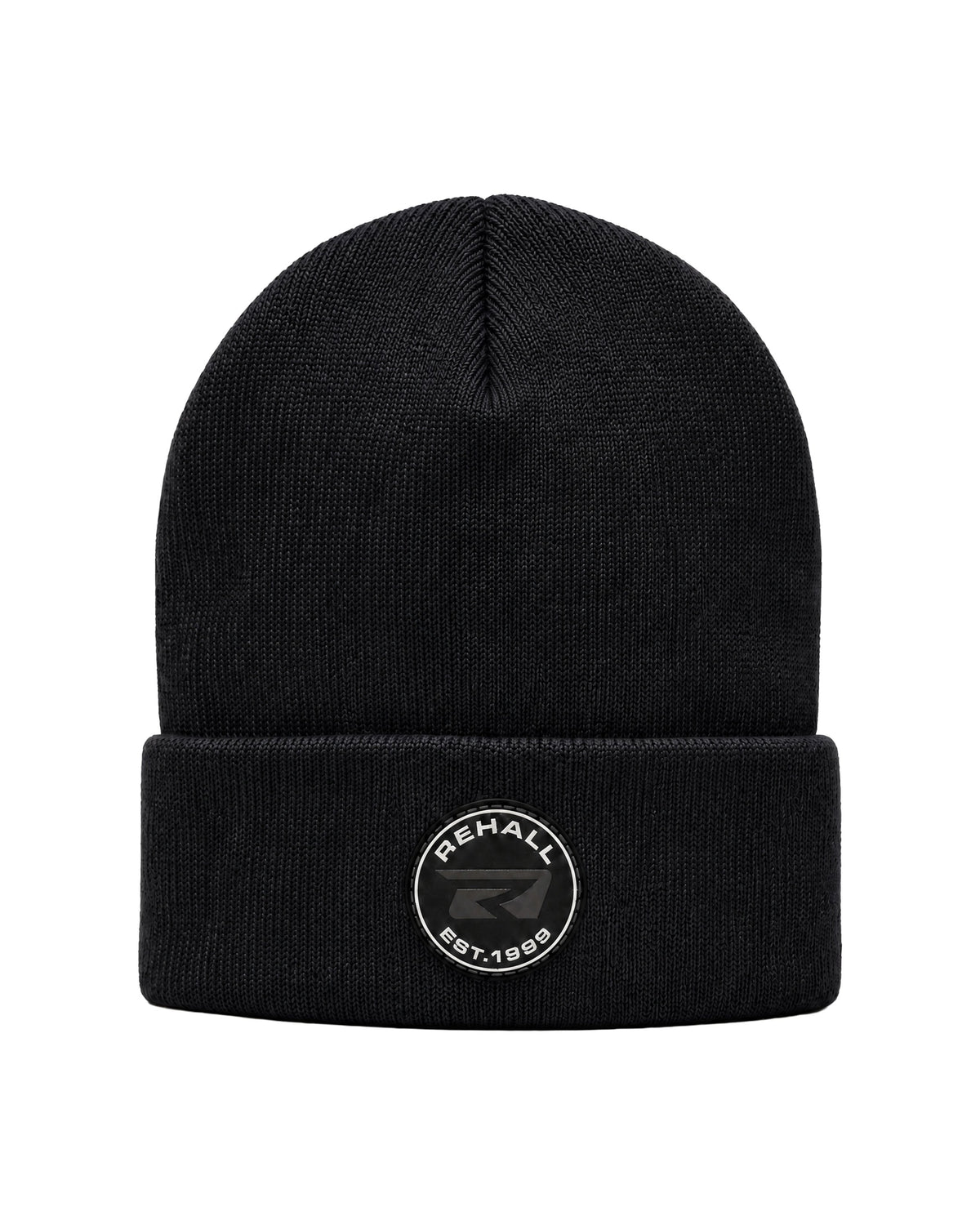
- Hat or beanie: fits under your ski helmet and keeps your head warm during cold mornings and lift rides
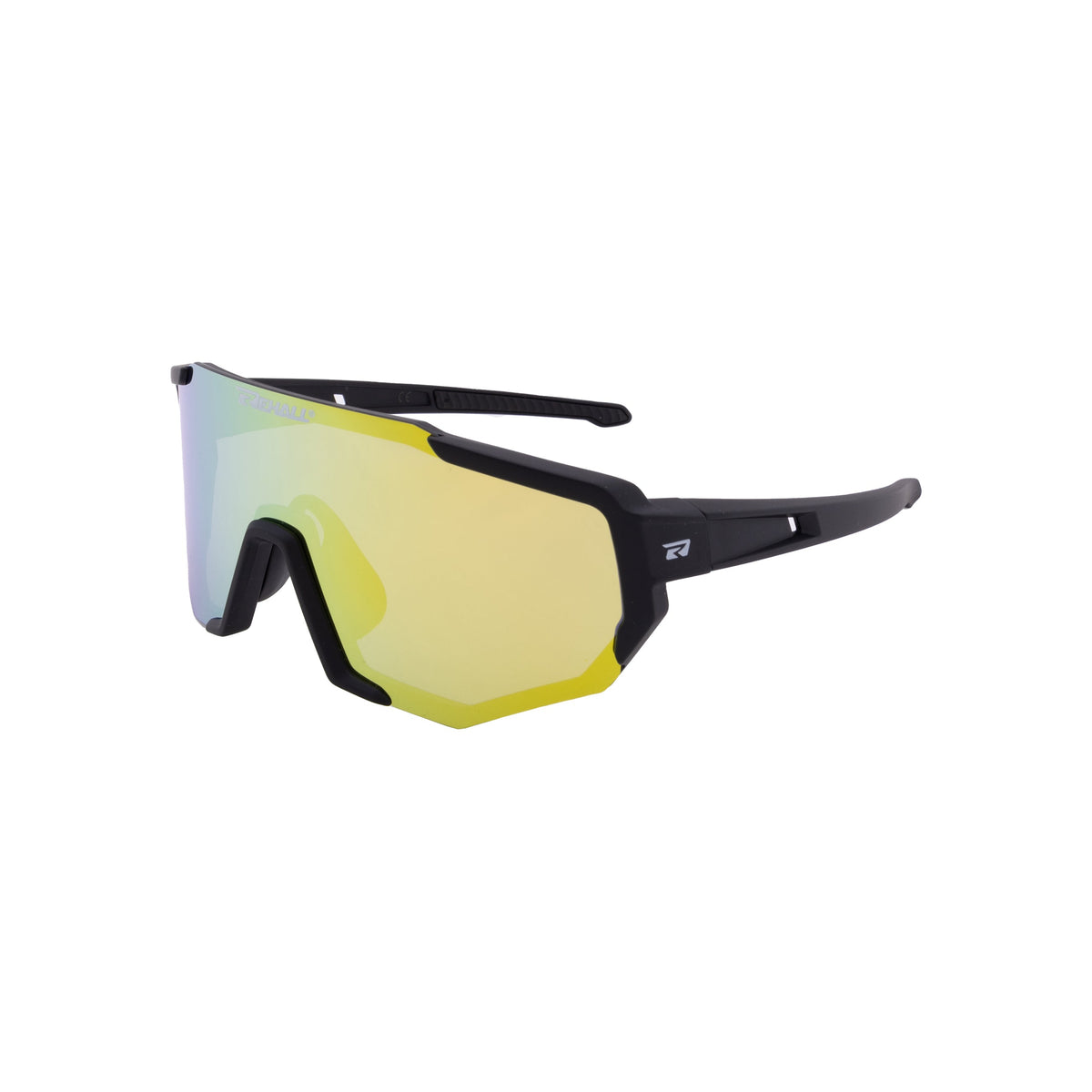
- Sunglasses: protects your eyes from UV radiation and glare from the snow
- Backpack: for water, snacks, and extra layers during a long ski day
Handy extras for more comfort
- Suspenders (braces): keep your ski pants in place, even during intense movement
- Belt: practical alternative to suspenders, ensures a neat fit
- Water-repellent spray: keeps your gloves and other accessories waterproof for longer, such as the Rehall Go Dry Water Repellent Spray
How do you choose the right ski gloves or mittens?
Ski gloves offer more freedom of movement and are suitable for active skiers who frequently grab their phone or need to scan a ski lift pass. Mittens are warmer because your fingers share heat with each other, which makes them ideal at temperatures below -10°C. Rehall offers both options with the same focus on water resistance and durable materials.
Gloves vs. mittens: what suits you?
Choose gloves if you need plenty of freedom of movement and frequently perform small tasks, such as fastening your bindings or opening zippers. Mittens are the better choice in extremely cold conditions or if your fingers get cold easily. Some skiers opt for a combination: gloves for sunny spring days and mittens for winter conditions with temperatures below freezing.
Water resistance and insulation
Water-resistant gloves keep your hands dry, even if you fall in the snow or ski during sleet showers. Pay attention to the water resistance ratings: at least 3,000 mm is suitable for dry conditions, while 5,000 to 10,000 mm is sufficient for most ski days. Synthetic insulation has the advantage of continuing to provide warmth in damp conditions, unlike down, which collapses when wet.
Choosing the right size
Measure the circumference of your hand over your knuckles (excluding your thumb) and compare this with the Rehall size guide. A good ski glove fits comfortably without pinching. Gloves that are too tight restrict circulation and make your hands cold faster. Too much space creates cold spots and reduces the insulating effect. Always check the size guide on the product page before ordering.
Warm hats and beanies for on the slopes
A good beanie retains up to 40% of the body heat you lose through your head. Rehall offers beanies in various styles and materials, in both women's and unisex versions.
Which material keeps you warmest?
Acrylic beanies are lightweight, quick-drying, and low-maintenance, which makes them popular for daily use on the slopes. Fleece-lined hats provide extra insulation at temperatures below -5°C and feel soft on your skin. Wool is naturally moisture-repellent and temperature-regulating, but dries more slowly than synthetic materials.
Hat under your ski helmet: what to watch out for?
Choose a thin, seamless beanie without a thick cuff if you wear it under your ski helmet. A hat that is too thick interferes with the fit of your helmet, which reduces its protective capacity. Make sure the hat covers your ears completely: heat loss around the ears is noticeable precisely under the helmet.
Sunglasses for extra protection on the mountain
UV radiation is up to 50% stronger at altitude than at sea level, and snow reflects up to 80% of sunlight. Good sunglasses protect your eyes against UV-A and UV-B radiation and reduce glare from snow reflection. Rehall sunglasses are designed for active use on the slopes and in the mountains, with sturdy frames that can withstand impact and changing conditions. Are you also looking for accessories for your ski partner? Then take a look at the collection of men's ski accessories for a matching set.
Backpacks and storage solutions for the slopes
A ski backpack with a volume of 25 to 30 liters offers enough space for water, extra layers, sunscreen, and snacks. Choose a backpack with a chest strap and hip belt for stability while skiing, so the backpack doesn't shift during quick movements. Separate compartments help to keep wet clothing separated from dry items. Those also looking for waterproof ski clothing will find jackets and pants in the DXR collection that combine perfectly with a functional backpack.
How to maintain ski accessories?
Good maintenance significantly extends the lifespan of your ski accessories and preserves their technical properties. After every ski day, it is smart to let your gloves and hat dry at room temperature, not on a heater or radiator. Direct heat damages the material and reduces water resistance.
Keeping gloves waterproof
Impregnate your gloves at the start of every season and repeat this after intensive use or after washing. The Rehall Go Dry Water Repellent Spray has been specifically developed for this and works on most types of textile and leather. Spray evenly onto dry gloves and let them dry for at least 12 hours before use.
Washing hats and beanies
Wash your beanies at a maximum of 30°C with a mild detergent and do not use fabric softener, as this damages the fibers and reduces moisture-wicking properties. Synthetic hats can be machine-washed, but use a laundry bag to maintain their shape. Let your beanies dry lying flat to prevent stretching. Those who want to maintain their waterproof women's ski clothing just as well can also use the same Go Dry spray on jackets and pants.
Frequently asked questions about women's ski accessories
Which ski accessories are truly essential?
Ski gloves, a warm hat, and good sunglasses are the three accessories you always need on the slopes. Gloves protect against cold and moisture, a hat prevents heat loss through your head, and sunglasses protect your eyes against UV radiation and snow reflection.
Are Rehall gloves unisex?
Yes, most Rehall gloves are unisex and suitable for both women and men. Check the size guide on the product page for the correct size, as women's hands are generally narrower than men's hands.
Can I wear a beanie under my ski helmet?
Yes, but choose a thin, seamless beanie without a thick cuff. A hat that is too thick interferes with the fit of your helmet and reduces protection. Rehall beanies are designed with a slim fit that fits well under most ski helmets.
How do I keep my ski gloves waterproof?
Impregnate your gloves at the beginning of the season with a water-repellent spray. The Rehall Go Dry spray is suitable for this. Repeat the treatment after every wash or after 5 to 10 intensive ski days.
Which backpack is suitable for the slopes?
A ski backpack of 25 to 30 liters is ideal for a day on the slopes. Choose a model with a chest and hip strap for stability and with separate compartments for wet and dry items. The Rehall EVOC-R backpack (30 liters) is specifically designed for winter sports use.
How do I determine my glove size?
Measure the circumference of your hand over your knuckles, without measuring your thumb. Compare this size with the Rehall size guide on the product page. A well-fitting glove fits without pinching and has just enough room to move your fingers freely.